Sleep

Couple sleeping peacefully in a dark bedroom, with one partner lying on their side to support easier breathing and reduce snoring.

How to reduce snoring: habits and aids

Snoring can sometimes be reduced by sleeping on your side, elevating the head of the bed, working toward a healthy weight if appropriate, avoiding alcohol before bed, and addressing nasal congestion. Results vary, and no home measure is guaranteed to stop snoring. Pauses in breathing, gasping, choking, or severe daytime...


Read more...
Woman lying in bed at night and holding her sore shoulder after waking with pain.

Shoulder pain at night: causes and ways to find relief

Shoulder pain can feel worse at night because sleeping positions place pressure on sensitive tissue or leave the arm unsupported. Rotator cuff disorders and frozen shoulder are among the possible causes, but nighttime pain alone does not identify the condition. This guide reviews common causes, sleeping positions that may reduce discomfort,...

Read more...

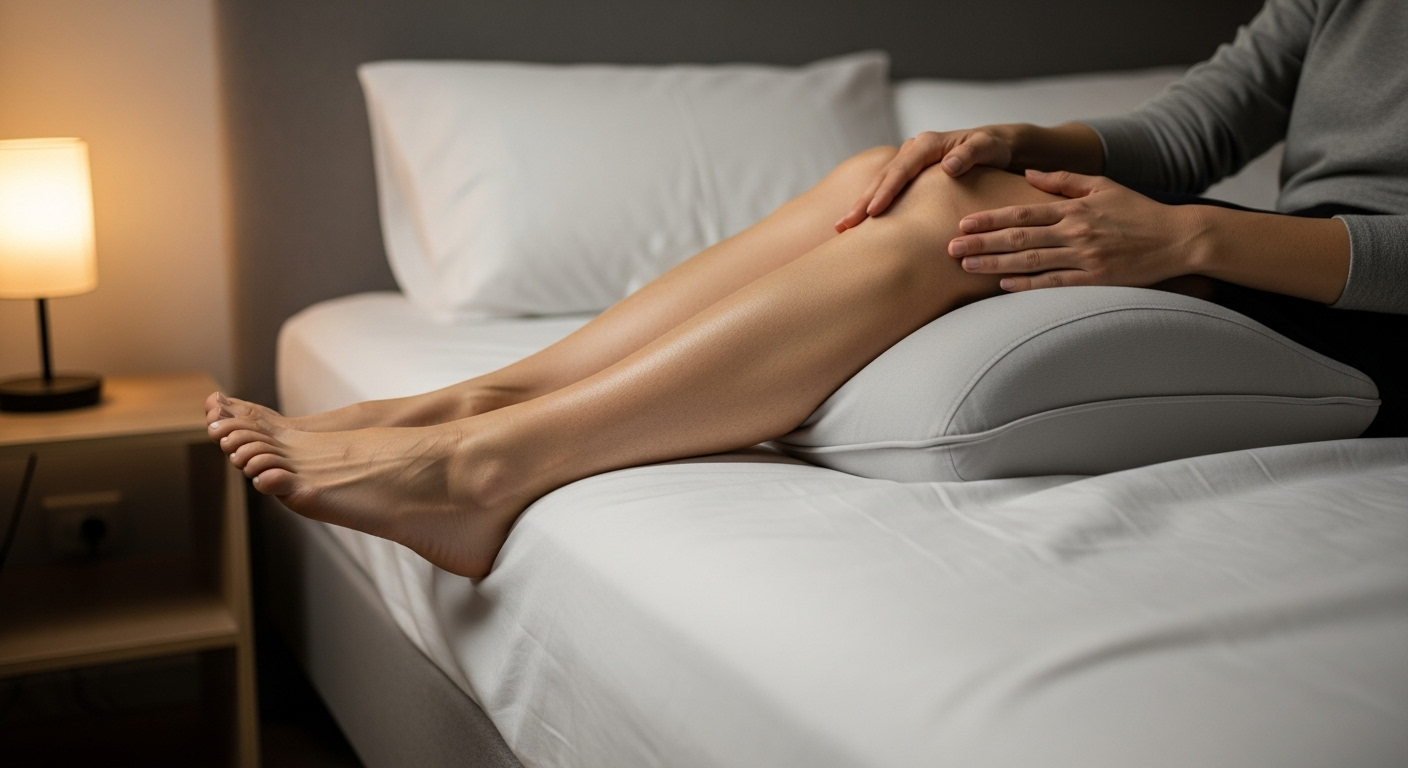
How to Calm Restless Legs Syndrome: Habits and Supportive Measures

Restless legs syndrome (RLS) is a neurological sensorimotor disorder that causes an urge to move the legs, usually with crawling, tingling, or pulling sensations in the evening or at night. It affects an estimated 7% of adults. Regular moderate activity, a calming evening routine, limiting evening caffeine and alcohol, and...

Read more...

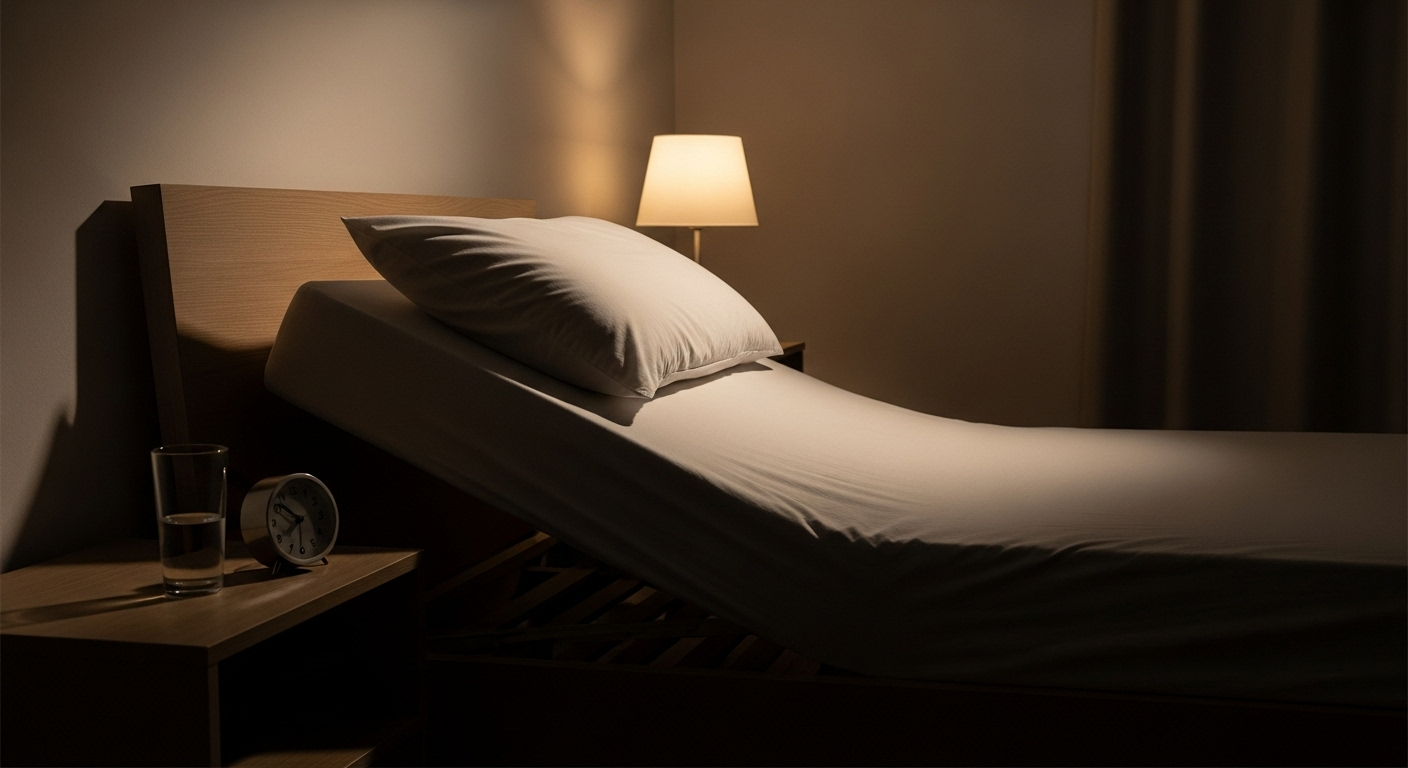
Sleep Apnea: Can Upper-Body Elevation Help Mild Cases?

Sleep apnea repeatedly interrupts breathing during sleep. In obstructive sleep apnea (OSA), the upper airway narrows or closes. An analysis in The Lancet Respiratory Medicine estimated that 936 million adults worldwide have OSA, many without a diagnosis. Small studies suggest that upper-body elevation can reduce breathing events in some people,...

Read more...

Wait, your secret discount is almost unlocked

This offer is reserved for a short time only. Unlock the coupon and save today.

Continue without a discount