
Shoulder pain at night: causes and ways to find relief
Shoulder pain can feel worse at night because sleeping positions place pressure on sensitive tissue or leave the arm unsupported. Rotator cuff disorders and frozen shoulder are among the possible causes, but nighttime pain alone does not identify the condition.
This guide reviews common causes, sleeping positions that may reduce discomfort, and warning signs that require prompt or emergency medical care.
Why is shoulder pain worse at night?
Lying down changes how pressure is distributed around the shoulder. Sleeping on the painful side can compress a sensitive tendon or bursa. On the back or opposite side, the arm may also fall into a position that strains or rotates the joint unless it is supported comfortably. AAOS OrthoInfo lists pain at rest and at night, particularly when lying on the affected shoulder, among symptoms that can occur with rotator cuff tears.
Circadian changes in hormones and inflammatory signaling may also influence symptoms in inflammatory joint disease. A review discusses the circadian rhythm of cortisol in inflammatory joint diseases. These biological rhythms may contribute to nighttime symptoms, although they do not explain every case of shoulder pain.
What commonly causes shoulder pain at night?
Rotator cuff tendinopathy and impingement
The rotator cuff consists of four muscles and their tendons around the shoulder joint. Rotator cuff tendinopathy involves changes in an overloaded or injured tendon. In subacromial pain or impingement, structures may become painful as the arm is raised. According to AAOS OrthoInfo pain may feel dull and deep, worsen when lying on the affected side, and occur with weakness when lifting or rotating the arm. A tear can occur after trauma such as a fall on an outstretched arm or lifting a heavy load, but tears can also develop gradually.
Frozen shoulder (adhesive capsulitis)
Frozen shoulder involves inflammation and tightening of the joint capsule. A key feature is a pronounced, gradually increasing loss of both active and passive movement in several directions . The arm remains difficult to move even when another person tries to guide it. According to AAOS OrthoInfo the condition can last a long time: the “freezing” phase may last 6 weeks to 9 months, the “frozen” phase 4 to 6 months, and recovery can take up to 3 years. A pillow may improve comfort but does not treat frozen shoulder.
AC joint problems (acromioclavicular joint)
The AC joint connects the collarbone to the shoulder blade at the top of the shoulder. According to AAOS OrthoInfo AC joint osteoarthritis can cause pain focused at the top of the shoulder that worsens when the arm moves across the body. Shoulder osteoarthritis can also interfere with sleep.
Pain originating from the neck
Pain felt in the shoulder can sometimes come from an irritated or compressed nerve in the cervical spine. Tingling, numbness, or weakness extending into the arm or fingers makes a neck-related cause more likely. Learn more in Cervicalgia: when neck pain is more than a stiff neck.
| Cause | Typical signs | What may help |
|---|---|---|
| Rotator cuff | Dull pain and weakness when lifting the arm; often worse when lying on the affected side. | A clinical assessment and a gradual rehabilitation plan; severe weakness or trauma needs prompt evaluation. |
| Frozen shoulder | Marked loss of movement in several directions, affecting both active and assisted movement. | A clinician-guided plan may include pain management and mobility exercises over several months. A pillow can only support comfort. |
| AC joint | Pain at the top of the shoulder, worse with movements of the arm across the body. | Activity modification and clinician-guided rehabilitation; persistent symptoms need assessment. |
| Neck-related pain (cervical radiculopathy) | Tingling, numbness, pain, or weakness extending into the arm or fingers. | Assessment and treatment of the cervical spine; see the cervicalgia article. |
How can you reduce discomfort at night?
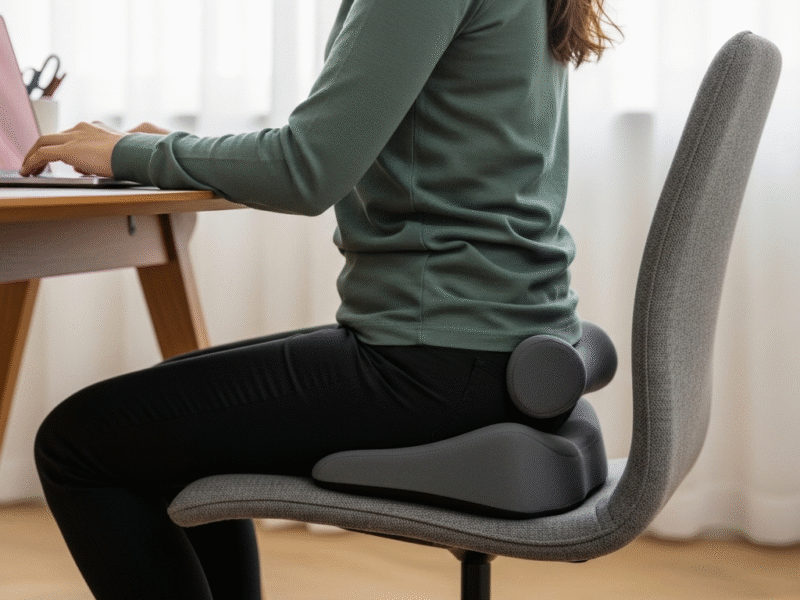
The following positions may make sleep more comfortable, but a sleeping position can reduce symptoms without treating the underlying shoulder condition. Treatment depends on the diagnosis and may include gradual mobility and strengthening exercises, physical therapy, medication, or other care. Frozen shoulder often requires a long-term management plan rather than a different pillow.
- Sleep on the unaffected side and hug a pillow in front of you so the painful arm is supported instead of hanging forward. For more about side-sleeping posture, read Sleeping on the side.
- Sleep on your back with the arm supported on a pillow slightly forward and away from the body. Adjust the height until the shoulder feels supported without being forced upward.
- Some people prefer a slightly elevated upper body using a wedge or pillows. Try it only if it reduces pressure without bending the neck awkwardly.
- Avoid keeping the arm overhead or trapped beneath the body if these positions worsen pain. Stomach sleeping can also place the shoulder and neck in an awkward position. Read more in Is sleeping on the stomach bad?

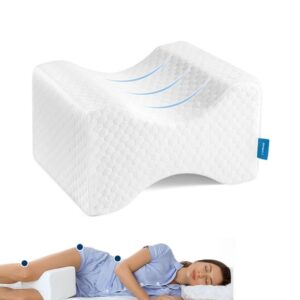
For back sleeping with the arm supported, one product option is the contoured orthopedic Memory pillow, designed to support the head and neck while a separate pillow supports the arm. Side sleepers may also use an ErgoPlus knee pillow to support the hips and legs. A knee pillow does not treat the shoulder itself. For general pillow selection, see How to choose the right pillow
Gentle massage around the neck and shoulder may temporarily ease muscle tension for some people. Techniques are described in Neck and shoulder massage. Stress can increase muscle tension around the neck and shoulders and may aggravate discomfort. Read more in Why your muscles hurt because of stress.
When does shoulder pain require urgent care?
Some shoulder pain can initially be managed with position changes and activity modification, but certain signs require prompt or emergency assessment:
- After an injury such as a fall or sudden lift, you cannot raise the arm . This can occur with a fracture, dislocation, or rotator cuff tear. Seek prompt medical care.
- Fever with a hot, swollen, or red joint can indicate septic arthritis, a medical emergency. The NHS advises immediate medical assessment because infection can damage the joint quickly.
- Chest pain or pressure that spreads to the shoulder, arm, neck, or jaw, especially with exertion , should never be assumed to come only from the shoulder. The NHS notes that heart attack pain can spread to the arm, neck, or jaw. Call local emergency services immediately for these symptoms.
- Rapidly worsening arm weakness, especially when it cannot be explained by pain alone.
- Night pain with unexplained weight loss or a personal history of cancer requires medical evaluation.
Frequently asked questions about shoulder pain at night
Why does the shoulder hurt more at night than during the day?
Lying on a painful shoulder can compress sensitive tissue, while an unsupported arm can place the joint in an uncomfortable position. Biological rhythms may also influence inflammatory symptoms, but nighttime pain has several possible causes.
Which side should I sleep on if my shoulder hurts?
Try the unaffected side while hugging a pillow to support the painful arm, or lie on your back with the arm supported. Avoid positions that worsen pain, including lying directly on the affected shoulder or keeping the arm overhead.
Can I cure shoulder pain with just a pillow?
No. A suitable pillow and position may reduce symptoms, but treatment depends on the underlying diagnosis. Persistent pain or stiffness warrants a clinical assessment.
How long can frozen shoulder last?
AAOS OrthoInfo states that the freezing phase may last 6 weeks to 9 months, the frozen phase 4 to 6 months, and full recovery up to 3 years, although timelines vary.
When should I go to the doctor immediately because of shoulder pain?
Seek immediate care if you cannot lift the arm after an injury or have fever with a hot, swollen joint. Call local emergency services immediately for chest pain or pressure that spreads to the arm, shoulder, neck, or jaw, especially with shortness of breath, sweating, nausea, or lightheadedness.
A supported sleeping position may improve comfort, but persistent or worsening shoulder pain needs appropriate assessment. Consult a doctor or physical therapist if symptoms continue, limit movement, or interfere with sleep.
This content is for general information and does not replace professional medical advice. Seek care for persistent symptoms or any warning signs described above.
Related: sleeping on the side and a pillow between the knees.
From our store
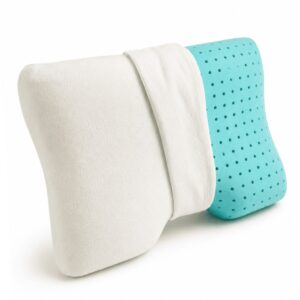
Memory contoured pillow