
How to reduce snoring: habits and aids
Snoring can sometimes be reduced by sleeping on your side, elevating the head of the bed, working toward a healthy weight if appropriate, avoiding alcohol before bed, and addressing nasal congestion. Results vary, and no home measure is guaranteed to stop snoring. Pauses in breathing, gasping, choking, or severe daytime sleepiness need medical assessment for possible sleep apnea.
This guide explains why snoring occurs, factors that can make it worse, habits and aids that may help, ways a partner can limit sleep disruption, and warning signs of sleep apnea.
Why do we even snore?
Snoring is noisy breathing during sleep. It occurs when relaxed tissues in a narrowed part of the nose, mouth, or throat vibrate as air moves past. It is common and often harmless, but loud, frequent snoring can sometimes accompany a sleep-related breathing disorder.
The UK NHS explains that snoring is caused by tissues such as the tongue, mouth, throat, or nasal airways vibrating as they relax and narrow during sleep. Muscle relaxation can make snoring more noticeable during some stages of sleep, although its pattern varies.
Snoring is extremely widespread. Cleveland Clinic notes that almost everyone snores at some point, including babies and young children, and that it is more common in men. Occasional snoring is often harmless. Loud nightly snoring, pauses in breathing, gasping, or daytime sleepiness deserve closer attention.
What causes snoring?
Anything that narrows the upper airway or relaxes its muscles can contribute to snoring. Factors include body weight, alcohol or sedative use, sleeping on the back, nasal congestion, and anatomical features such as enlarged tonsils or a deviated nasal septum. Age-related changes in muscle tone may also play a role.
The Cleveland Clinic lists body weight, sleeping on the back, and substances that relax muscles among the main factors: “alcohol, tranquilizers, and even lack of sleep can relax the muscles in the upper airways.” The table below summarizes the most common causes and what you can do about them.
| Cause | How it can contribute | What you can try |
|---|---|---|
| Sleeping on the back | The tongue and soft palate may move backward and narrow the throat | Try sleeping on your side |
| Higher body weight | Tissue around the neck may narrow the airway | Gradual weight loss, if appropriate |
| Alcohol and sedatives | They additionally relax the muscles of the throat | Avoid them before bed; discuss medicines with the prescriber |
| Stuffy nose | Can increase mouth breathing and airway resistance | Saline nasal rinses; appropriate allergy care |
| Anatomy, such as tonsils or nasal septum | May narrow the airway | Consultation with a doctor |
Nasal congestion is an often overlooked factor because it can increase mouth breathing. For advice on easing nighttime congestion from a cold or allergy, read our article on breathing with a stuffy nose.
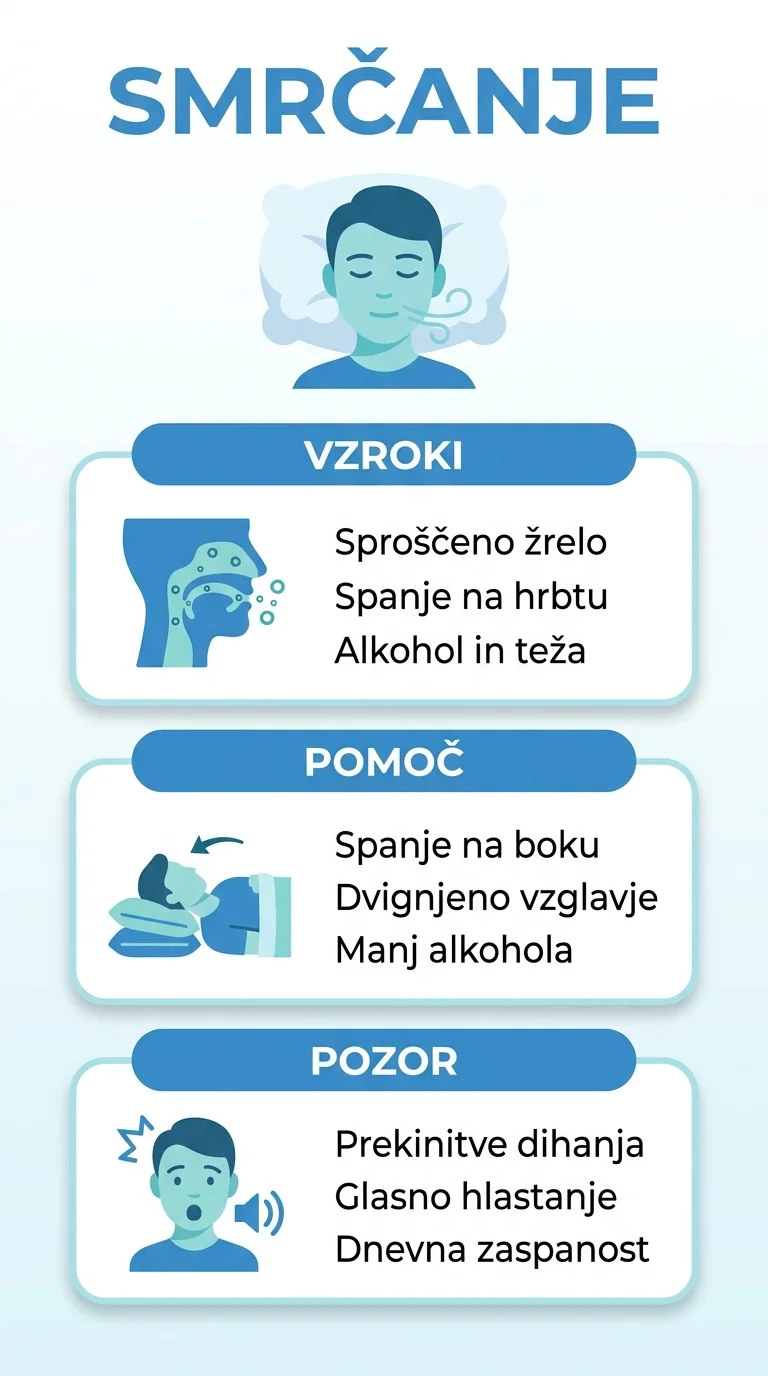
The infographic below summarizes common contributors to snoring, measures that may help, and warning signs that call for medical assessment.
Which habits may reduce snoring?
Depending on the cause, useful changes may include sleeping on your side, raising the head of the bed, gradual weight loss if appropriate, and avoiding alcohol before bedtime. Do not stop prescribed sedatives or sleeping medicines without speaking to the prescriber. NHS advises sleeping on your side, losing weight if you are overweight, and avoiding smoking and excessive alcohol. It also notes that sleeping pills can sometimes contribute to snoring; discuss any prescribed medicine with your healthcare professional.
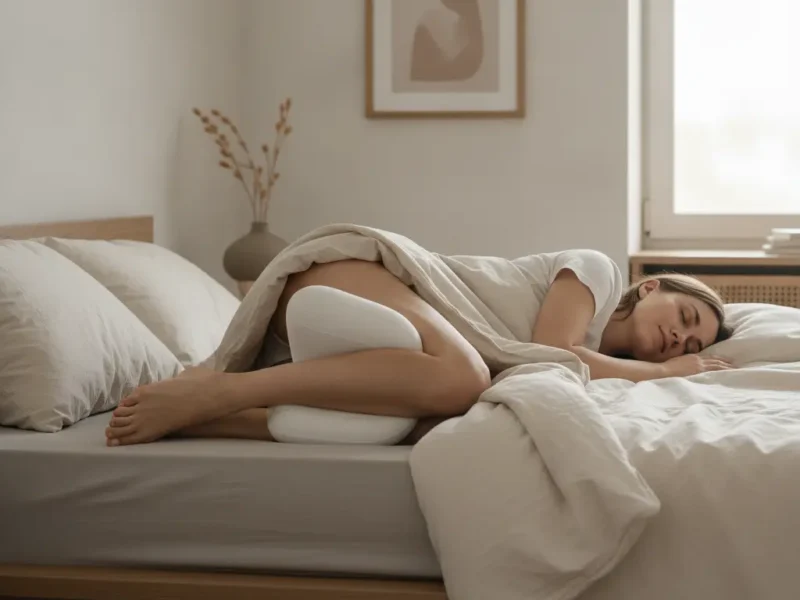
1. Try sleeping on your side
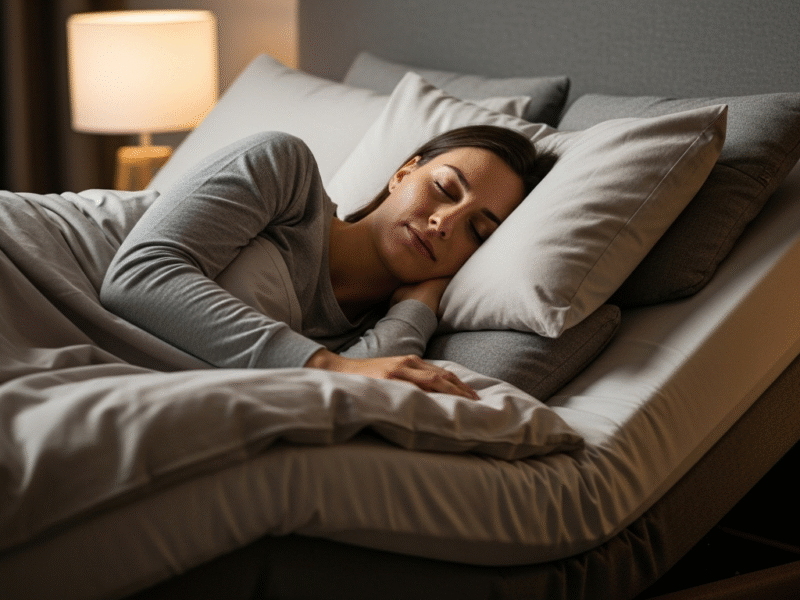
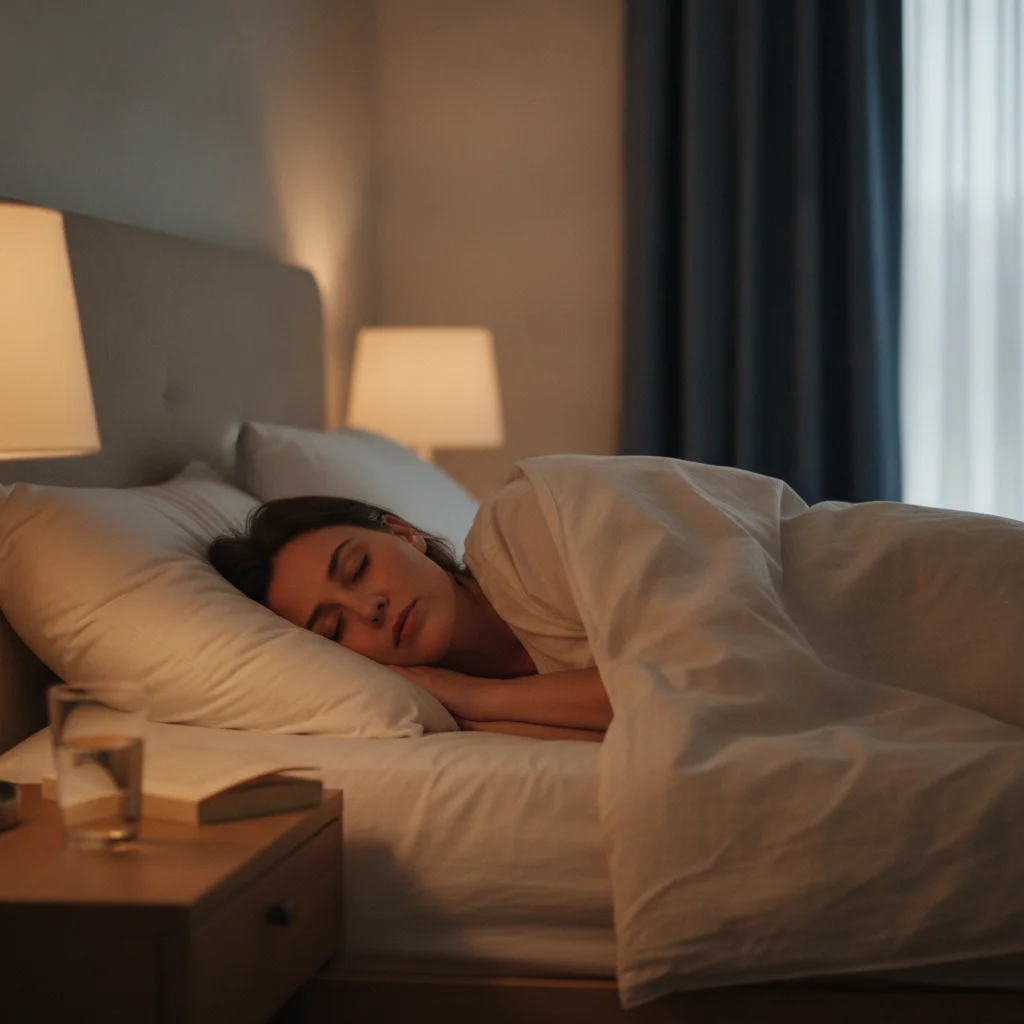
Snoring is often worse when lying on the back because gravity can move the tongue and soft palate toward the throat. Cleveland Clinic lists back sleeping as a factor that can increase snoring. If side sleeping feels uncomfortable, pillows can support a more comfortable position, although they may not stop you from turning.
2. Elevate the head of the bed
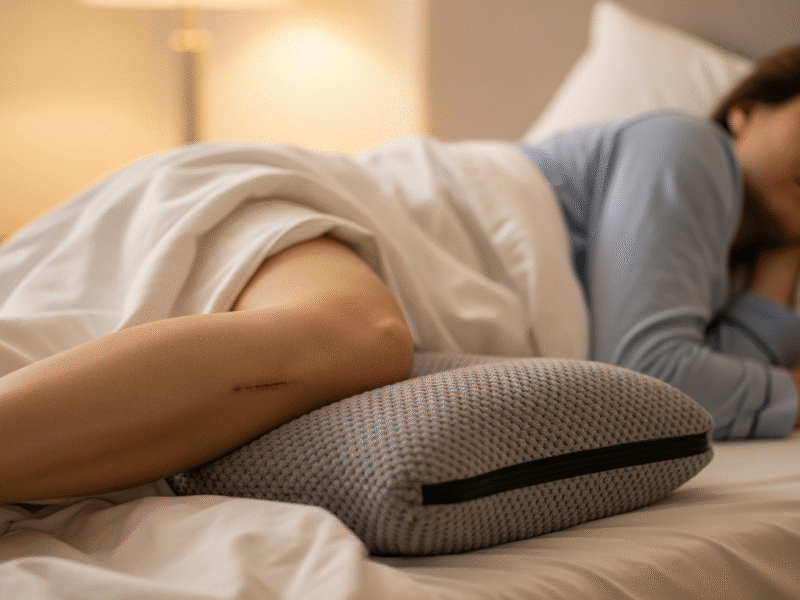
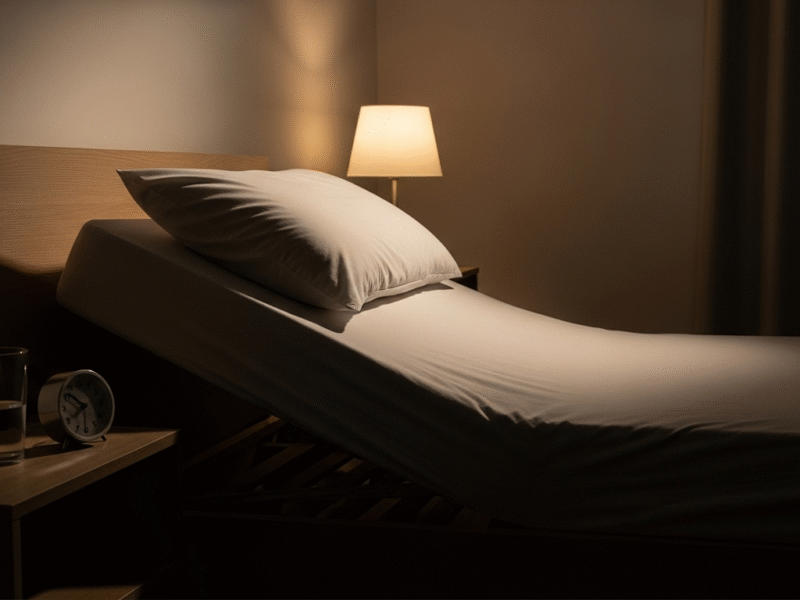
A gently elevated head and upper torso may reduce snoring for some people. A wedge pillow can provide an inclined position, but avoid stacking soft pillows in a way that bends the neck. Browse our support pillows. Our article on head elevation and sleep apnea.
3. Watch your weight and drinks before bedtime
Tissue around the neck can contribute to airway narrowing, while alcohol before bed further relaxes throat muscles. Gradual weight loss can help some people when excess weight is a factor, and avoiding alcohol close to bedtime may reduce snoring. Do not replace prescribed sleeping medicine without medical advice; instead, discuss possible effects with the prescriber.
4. Ensure sleep hygiene
Sleep deprivation and an irregular schedule may make snoring worse in some people. A regular schedule, comfortable bedroom, and calm bedtime routine can support sleep quality. Find practical steps in our guide to sleep hygiene.
Which aids may help with snoring?
The most suitable aid depends on where airway narrowing occurs. Options include nasal dilators or saline rinses for nasal obstruction, positional devices that discourage back sleeping, wedge pillows for elevation, and professionally fitted mandibular advancement devices for some adults. A clinician or dentist should assess persistent snoring before an oral device is used. Chin straps and nasal products do not treat obstructive sleep apnea.
| Aid | For whom | What it does |
|---|---|---|
| Wedge pillow or bed elevation | Snoring that is worse when lying flat | Elevates the head and upper torso |
| Nasal dilator | Nasal narrowing or congestion | May improve airflow through the nose |
| Positional aid | People whose snoring is worse on their back | Discourages back sleeping |
| Mandibular advancement device | Persistent snoring after professional assessment | Holds the lower jaw and tongue farther forward |
These aids may reduce snoring for some people, but they do not necessarily remove its cause. Consumer snoring aids do not treat sleep apnea. If simple measures fail or apnea is possible, seek medical assessment rather than trying progressively stronger devices.
How can a partner sleep more comfortably?
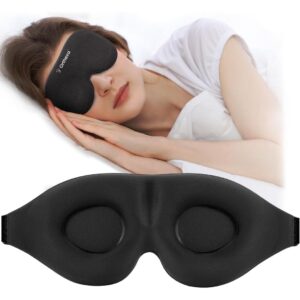
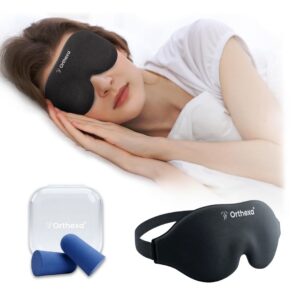
Snoring can significantly disturb a partner’s sleep. Earplugs may reduce the sound while the person who snores addresses the cause, and a sleep mask can block light if that is also disruptive. The NHS suggests earplugs as one practical option for a partner affected by snoring.

One option is the Somnia set for more comfortable sleep. It combines soft earplugs with a 3D sleep mask: the earplugs reduce sound and the mask blocks light. If light is the main concern, consider the separate ZenMask 3D sleep mask, which has shaped eye cups designed to avoid direct pressure on the eyelids. These products do not stop snoring or treat sleep apnea; they may simply reduce disruption for the partner.
When can snoring indicate sleep apnea?
Snoring alone does not establish a diagnosis, but pauses in breathing, gasping, or choking during sleep can indicate obstructive sleep apnea. Cleveland Clinic notes that snoring with interrupted breathing may be a sign of this condition, while many people who snore do not have apnea.
Obstructive sleep apnea causes repeated reductions or pauses in airflow during sleep when the upper airway narrows or closes. According to the NHS NHS, signs include breathing that stops and starts, loud snoring, and gasping, snorting, or choking noises during sleep, as well as marked daytime tiredness or difficulty concentrating. A sleep study measures breathing events per hour. NHS categories are 5 to 14 events per hour for mild, 15 to 30 for moderate, and more than 30 for severe sleep apnea; diagnosis requires clinical assessment.
You can also watch this video on the topic:
When should you see a doctor about snoring?
Seek medical advice if lifestyle changes do not help, snoring significantly affects daily life, or there is severe daytime sleepiness. Breathing that stops and starts, gasping, or choking during sleep are warning signs of possible sleep apnea and need assessment.
Mention snoring to your doctor also if:
- you remain persistently tired or have difficulty concentrating despite allowing enough time for sleep;
- a partner notices pauses in your breathing during sleep;
- you often wake with a headache or dry mouth, or still feel unrefreshed;
- you have high blood pressure or heart problems alongside persistent snoring.
This article provides general information and does not replace medical advice. Consult a healthcare professional for persistent loud snoring, pauses in breathing during sleep, gasping or choking, or severe daytime sleepiness. Call local emergency services immediately if someone is unresponsive or not breathing normally.
Frequently asked questions about snoring
How to stop snoring quickly?
There is no guaranteed instant way to stop snoring. Changing from back to side sleeping, avoiding alcohol before bed, addressing nasal congestion, or gently elevating the head and torso may help that night, depending on the cause. Lasting improvement may require several measures or professional assessment.
Does an elevated pillow really help against snoring?
It helps some people. Elevating the head and upper torso may reduce airway narrowing when lying flat. A wedge pillow is a simple option, but it does not treat sleep apnea and should not delay assessment of breathing pauses, gasping, or severe daytime sleepiness.
Why do I snore only when I lie on my back?
When you lie on your back, gravity can move the tongue and soft palate toward the throat, narrowing the airway and increasing tissue vibration. Side sleeping may reduce positional snoring, although it does not help every cause.
How can my partner sleep despite my snoring?
Soft earplugs may reduce sound for a partner while you address the cause of snoring. A sleep mask can block light but does not reduce noise. These are comfort measures for the partner and do not treat snoring or sleep apnea.
When is snoring dangerous?
Snoring needs medical assessment when it comes with pauses in breathing, gasping or choking during sleep, or marked daytime sleepiness. These can be signs of sleep apnea. Arrange an appointment with a healthcare professional; call local emergency services immediately if the person is unresponsive or not breathing normally.
From our store
Somnia sleep set