Your path to better sleep: 6 steps for better sleep hygiene
Do you often toss and turn in bed while the hours pass, then wake feeling tired, irritable, and low on energy? You are not alone. In a fast-paced life, restful sleep can be difficult to achieve. One useful place to start is sleep hygiene.
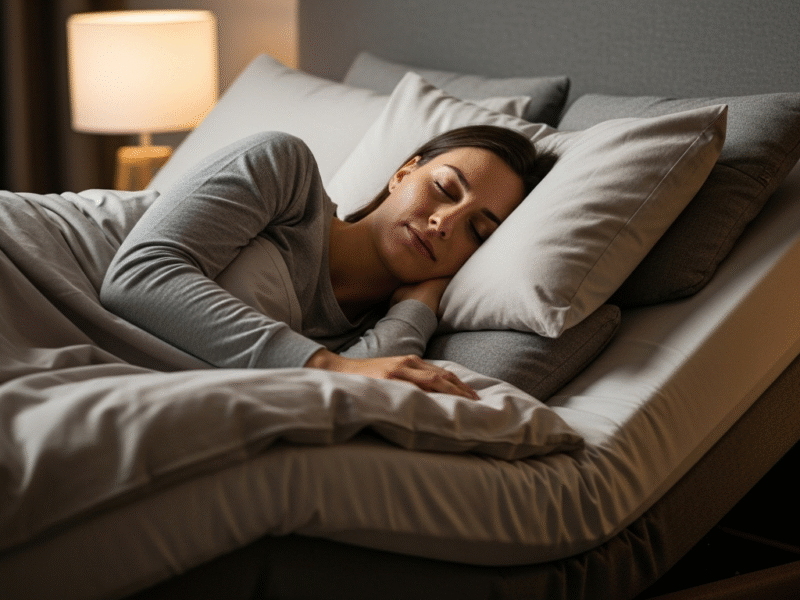
You may be wondering, what is sleep hygiene? It is not about showering before bed. Sleep hygiene is the set of habits and practices that support regular, restorative sleep. Think of it as a routine that prepares your body and mind for rest, much like warming up before exercise. A few practical changes may improve your sleep quality and how you feel during the day.
Why does sleep hygiene matter?
Sleep is an active process during which the body recovers, the brain processes information and consolidates memories, and the immune system performs important functions. Too little good-quality sleep can have short-term and long-term effects.
After several nights of insufficient sleep, you may notice poorer concentration, irritability, memory problems, and reduced performance. Over time, consistently poor sleep is associated with cardiovascular disease, type 2 diabetes, obesity, depression, and anxiety. Slovenia’s National Institute of Public Health (NIJZ) reports that almost one-third of people in Slovenia experience at least occasional sleep problems. This is a Slovenia-specific figure; insufficient sleep is a wider public-health concern in many countries.
How to improve sleep hygiene: practical tips
The good news is that a few changes to your routine may support better sleep. Here are the main sleep hygiene tips to help you work toward more restorative rest.
1. Keep a regular sleep schedule
Try to go to bed and wake up at about the same time every day, including weekends. A consistent schedule helps regulate the circadian rhythm, the body’s internal clock that influences sleeping and waking. Once the routine becomes familiar, you may find it easier to fall asleep and wake feeling rested. For more information about choosing a bedtime, read When should you go to bed? Finding the right bedtime.
2. Create a relaxing bedtime routine
Give your body and mind a signal that it is time to wind down. Set aside at least 30–60 minutes before bed for quiet activities. This is your sleep hygiene routine.
- A warm bath or shower: the drop in body temperature afterward may help promote sleepiness.
- Reading a book: choose a printed book instead of reading from a screen.
- Listening to calm music or podcasts: relaxing audio may help settle your thoughts.
- Relaxation techniques: try meditation, breathing exercises, or gentle stretching.
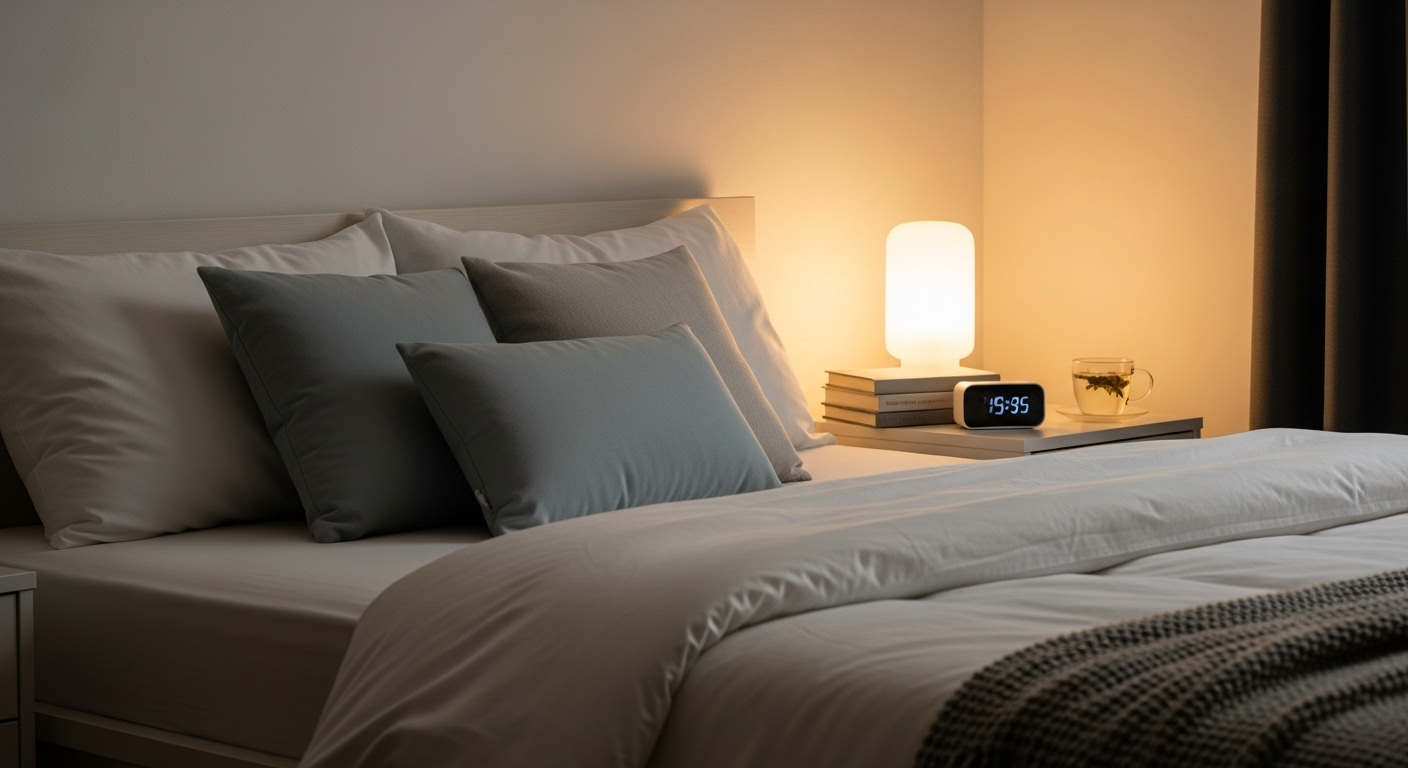
3. Improve your sleep environment
Keep the bedroom quiet and relaxing, and reserve it primarily for sleep and intimacy.
- Darkness: make the bedroom as dark as practical. Blackout curtains or a sleep mask can help. Darkness supports the body’s normal melatonin production.
- Quiet: reduce disruptive noise where possible. If that is not practical, consider earplugs or a white-noise device.
- A cool temperature: a bedroom temperature between 16 and 21 degrees Celsius is often recommended for sleep. Choose a temperature that is comfortable and safe for you.
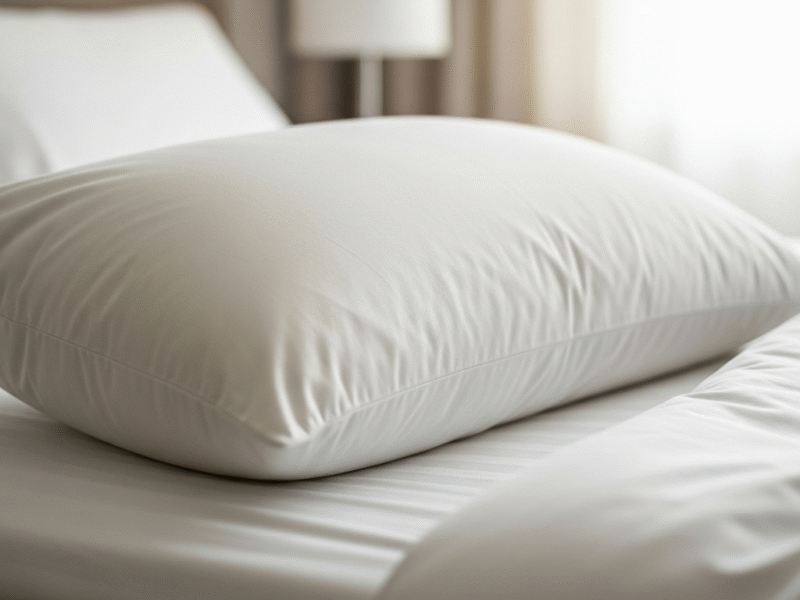
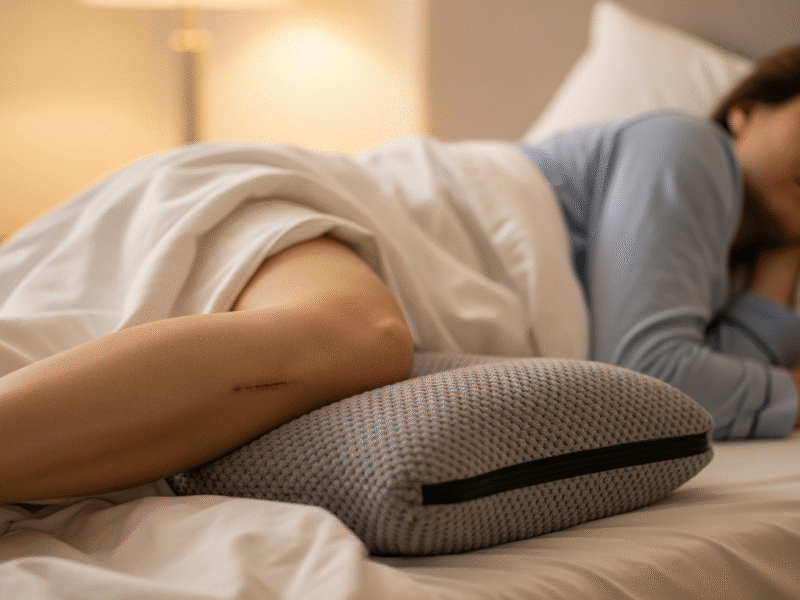
- Comfort: Choose a mattress and pillow that feel comfortable and suit your sleeping position. Appropriate neck and spinal support may reduce discomfort and restlessness. If you wake with neck pain, it may be time to reassess your pillow. One option is the Memory contoured pillow, whose ergonomic shape is designed to support the head and neck and may help reduce muscle tension.
4. Pay attention to food and drinks
What you eat and drink during the day can affect your sleep.
- Caffeine and nicotine: avoid caffeine from coffee, caffeinated tea, energy drinks, or chocolate, as well as nicotine, for at least 4–6 hours before bed. Both are stimulants and can interfere with sleep.
- Alcohol: although alcohol may make it easier to fall asleep, it can disrupt normal sleep cycles, including REM sleep, and lead to lighter, more fragmented sleep.
- Heavy meals: avoid large, high-fat meals just before bed. If you are hungry, choose a light snack.
5. Be physically active
Regular physical activity can improve sleep quality and may help you fall asleep sooner. Avoid intense exercise for at least 3 hours before bed if it raises your body temperature or leaves you feeling alert, although individual responses vary. For more about the relationship between exercise and sleep, read Physical activity and sleep: how exercise affects your sleep.
6. Limit electronic devices before bed
Blue light from phones, tablets, computers, and televisions can suppress melatonin production. Consider switching off electronic devices at least 1 hour before bed. If that is not realistic, reducing brightness and stimulating content may still help you wind down.
Sleep hygiene and insomnia
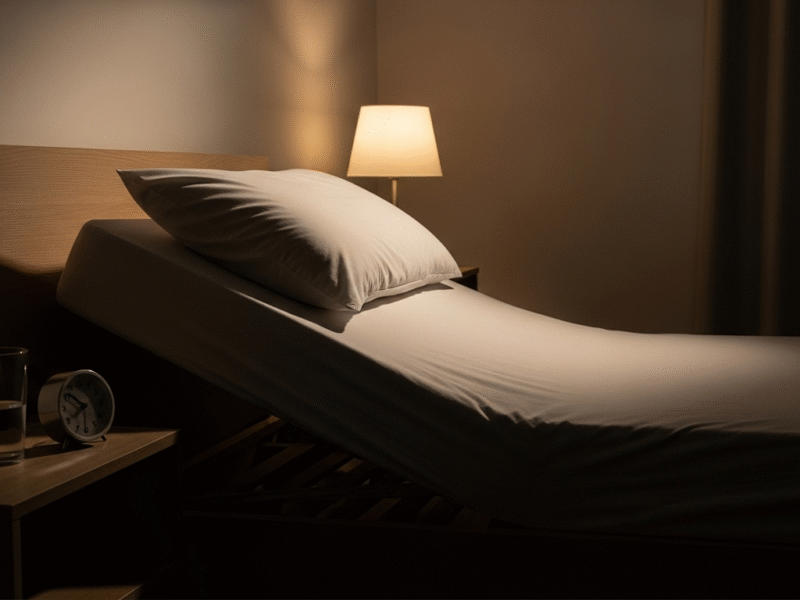
Sleep hygiene and insomnia are closely related. Insomnia involves difficulty falling asleep, repeated waking during the night, or waking too early. Poor sleep habits can contribute to insomnia, so improving sleep hygiene is a useful first step. Chronic insomnia may require more than sleep-hygiene changes, and persistent symptoms should be discussed with a healthcare professional before relying on medication. If reflux or heartburn wakes you at night, raising the upper body may help. A more stable option than stacking ordinary pillows is a ComfortLift wedge pillow, which provides a gradual, stable incline for the upper body.
Sleep hygiene for children
Good sleep habits are worth establishing from an early age. Sleep hygiene for children and teenagers supports their physical and mental development. Teenagers generally need 8–10 hours of sleep a night, although many get less. The main recommendations are similar to those for adults, with particular attention to:
- A consistent schedule: keep bedtimes and wake times consistent.
- A bedtime routine: choose calm activities without electronic devices.
- The sleep environment: remove distractions from the bedroom, especially phones and tablets.
Parents can set a useful example by following good sleep habits themselves.
Table: key steps for better sleep
| Area | Recommendation | Why it matters |
|---|---|---|
| Schedule | Go to bed and get up at the same time each day. | Helps regulate the body clock, or circadian rhythm. |
| Environment | Keep the bedroom dark, quiet, cool, and comfortable. | Supports relaxation and reduces disruption. |
| Bedtime habits | Avoid screens for 1 hour before bed and spend the time winding down. | Reduces blue-light exposure and helps settle the mind. |
| Food and drinks | Avoid caffeine, alcohol, and heavy meals late in the evening. | Reduces stimulation and digestive discomfort. |
| Physical activity | Be active regularly, but avoid vigorous activity just before bed if it keeps you awake. | Can improve sleep quality and depth. |
Conclusion: take a step toward better sleep today
Sleep hygiene for better sleep is more than a phrase; it is a practical way to support health and well-being. Building new habits may feel difficult, so start gradually. Small, consistent changes can still help. Good-quality sleep is one of the foundations of health, alongside balanced nutrition and regular movement. For more practical ideas, read 17 tips for better sleep.
For more information about the importance of sleep and advice from public-health experts, visit Slovenia’s National Institute of Public Health (NIJZ) or read guidance from the US CDC on sleep hygiene.
Related: habits that may reduce snoring.
From our store