Flat Feet in Adults: Signs and Insoles
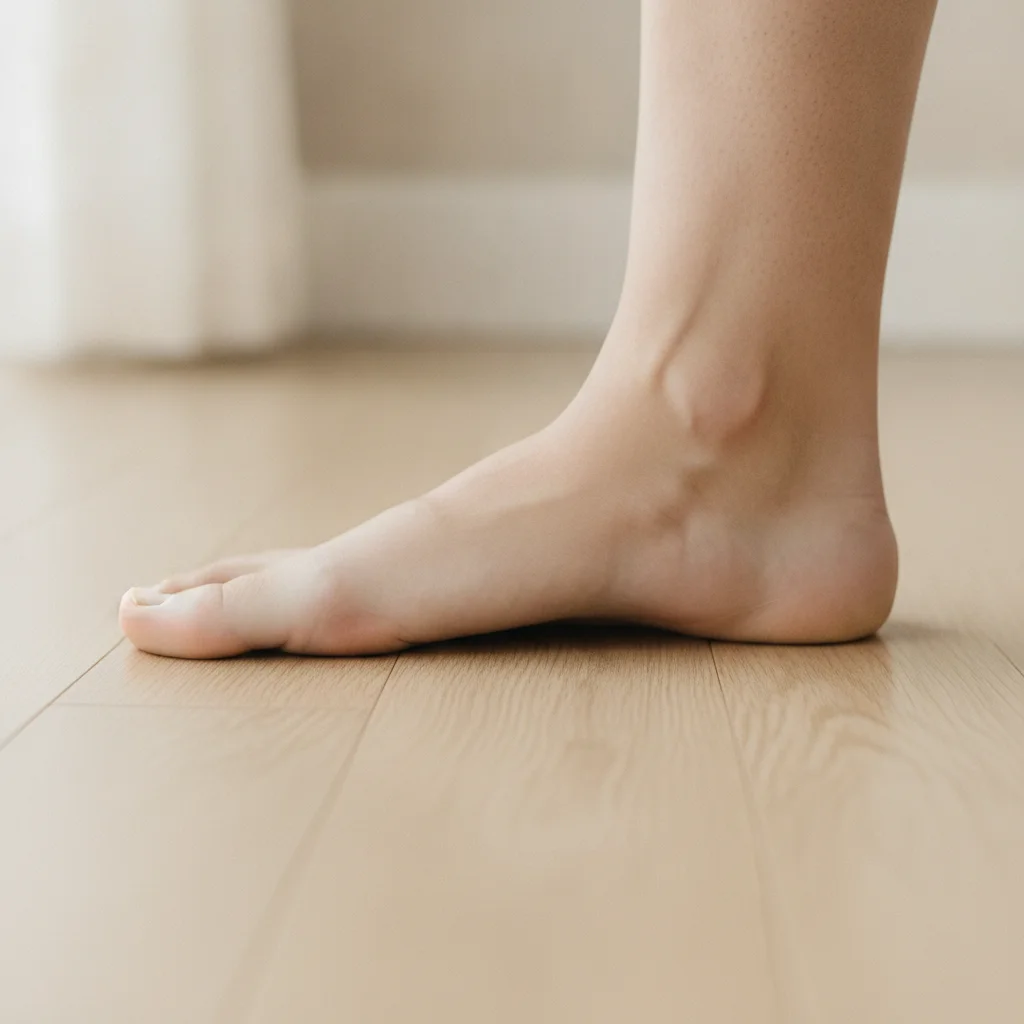
Flat feet in adults means the medial arch is low or absent during standing, so much of the sole contacts the floor. Many people have no symptoms. Others experience foot or ankle fatigue and pain, sometimes with excessive pronation. Arch-support insoles may improve comfort for some people, but they do not rebuild the arch.
This guide explains adult flat feet, the limitations of the home “wet test,” possible symptoms, when arch supports may help, how to choose them, and when to seek clinical assessment.
What are flat feet in adults?
Flat feet, or pes planus, describes a low or absent medial arch. In adults, it may have been present since childhood or develop later as the arch changes over time. New progressive collapse is now often described clinically as progressive collapsing foot deformity.
Cleveland Clinic describes flat feet as feet with little or no visible arch. Types include flexible flat feet , in which the arch flattens under load and returns when the foot is unloaded, and rigid flat feet , in which the arch remains absent when sitting as well as standing. A common contributor to acquired adult flatfoot is dysfunction of the Cleveland Clinic posterior tibial tendon, which may lose the capacity to support the arch.
The condition is relatively common. A review in StatPearls estimates acquired flatfoot prevalence above 3% among women older than 40 and approximately 5 million affected people in the United States. Estimates depend on definitions and population.
Factors associated with acquired arch collapse include age-related tendon change, excess body weight, and previous injury. Ligament injury, fractures, arthritis, and diabetes-related nerve damage may also contribute. New or progressive deformity, especially with diabetes or impaired circulation, needs suitable clinical assessment rather than footwear advice alone.
How can I recognize flat feet at home?
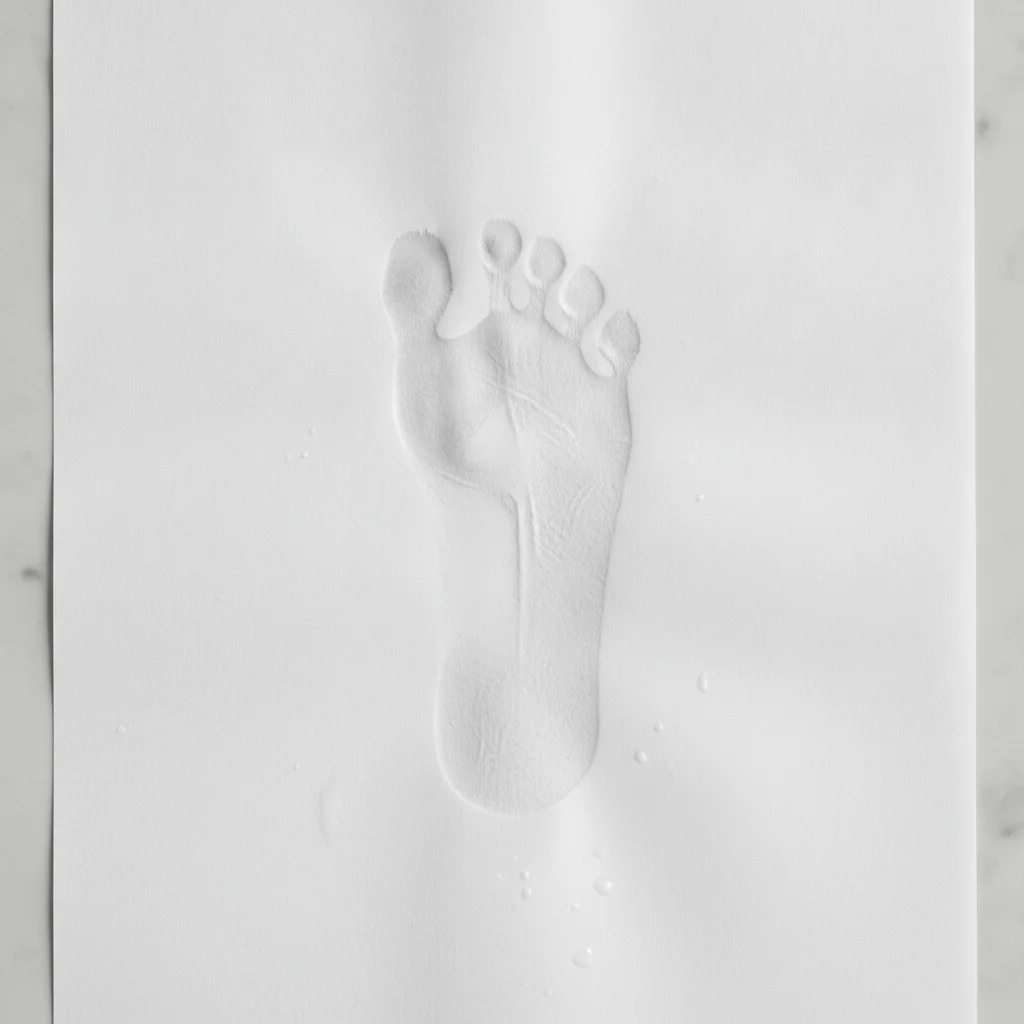
For a rough visual check, wet the sole and step on paper or a dry tile. An imprint showing most of the sole with little inward curve may suggest a low arch, while a narrow connection along the outer edge may suggest a high arch. This “wet test” is not diagnostic and does not measure how the foot functions during walking.
Other everyday observations may accompany flat feet. Look for:
- Wear along the inner edge of a shoe: The sole or heel may wear faster on the inner side, although wear patterns alone are not diagnostic.
- The foot rolling inward: The ankle and foot may move inward during walking, known as pronation. Some pronation is normal.
- Tired or painful feet: Symptoms may appear after prolonged standing or walking, often around the arch or heel.
- Swelling along the inside of the ankle: This may occur with posterior tibial tendon problems and warrants assessment if new or painful.
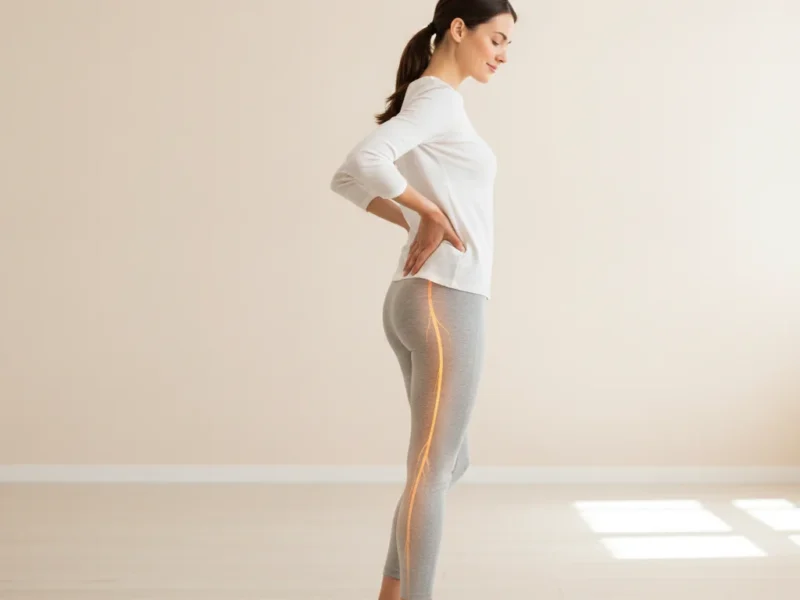
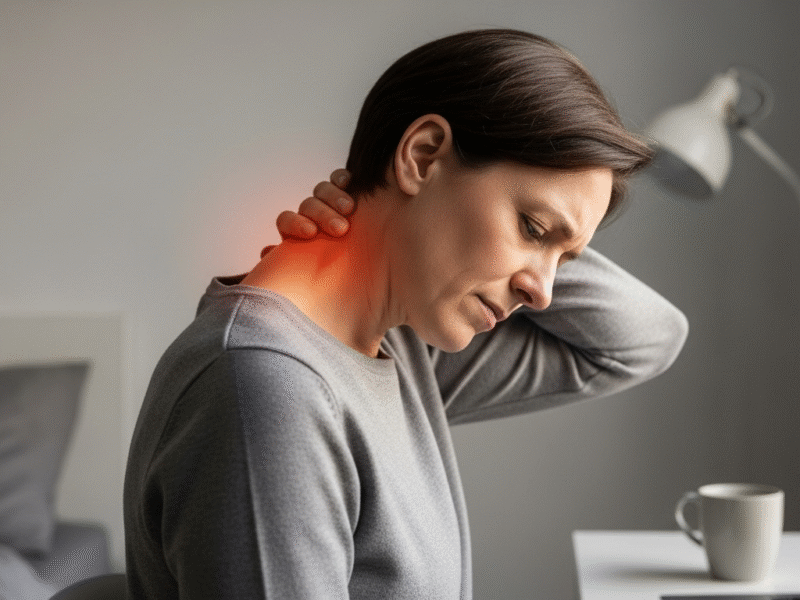
- Knee or lower-back discomfort: These symptoms have many causes; a low arch alone does not prove that the foot is responsible.
If an arch that was previously visible has flattened, or only one foot has changed, arrange an assessment rather than relying on a home test. For more about foot motion, see our guide to pronation and supination.
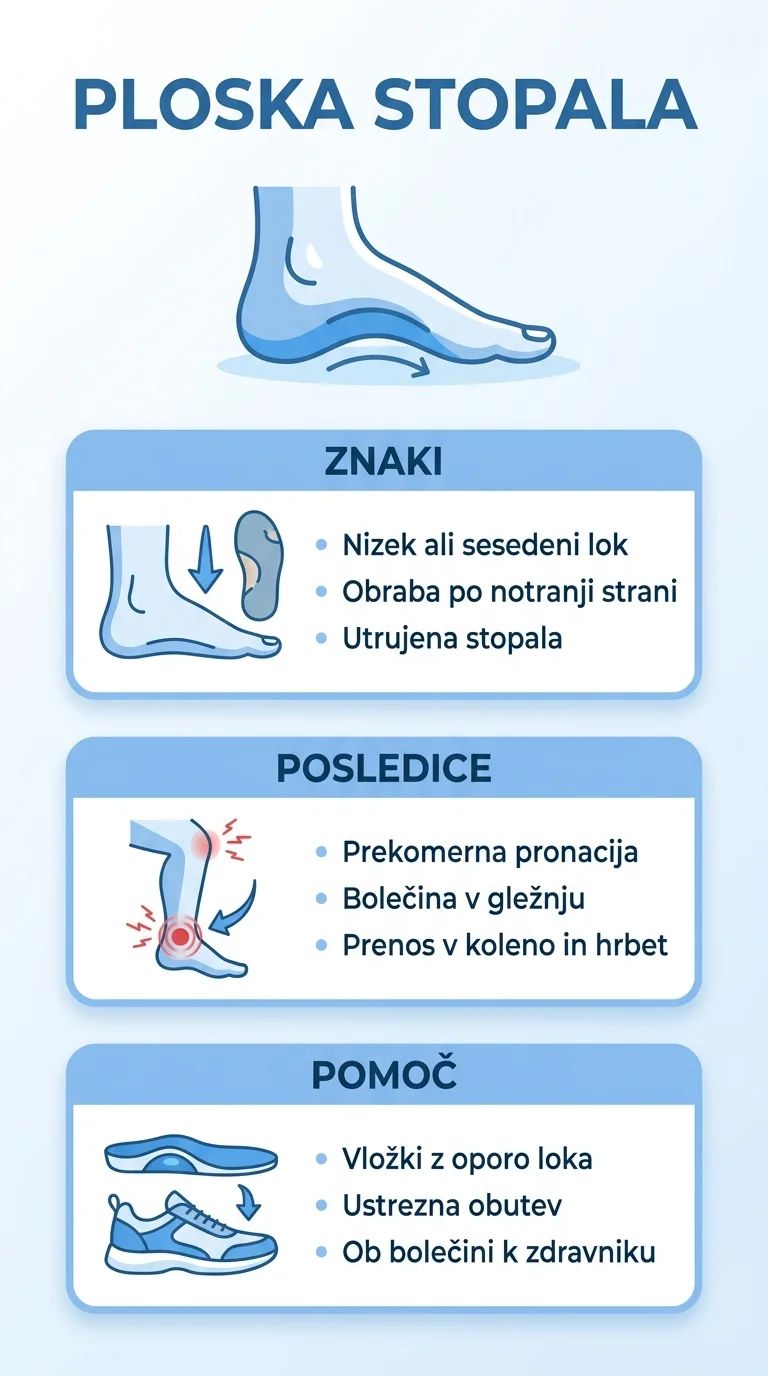
The infographic summarizes common signs, changes in foot mechanics, and how arch-support insoles may assist comfort.
What problems can flat feet cause?
Flat feet often cause no symptoms and require no treatment. The UK NHS states that they usually do not cause problems and should not prevent activities, including sport. Treatment is considered when pain, stiffness, weakness, or progressive change occurs.
Excessive pronation may alter how force is distributed, but flat feet do not inevitably cause pain elsewhere. Some people develop ankle or foot pain, instability, calluses, or overuse symptoms. Knee, hip, or back pain requires its own assessment rather than being automatically attributed to the arch.
Distinguish an asymptomatic low arch from a painful or progressive deformity. The first often needs no intervention; the second may benefit from assessment and support. For forefoot pain, learn how to reduce pressure.
Do arch-support insoles help flat feet?
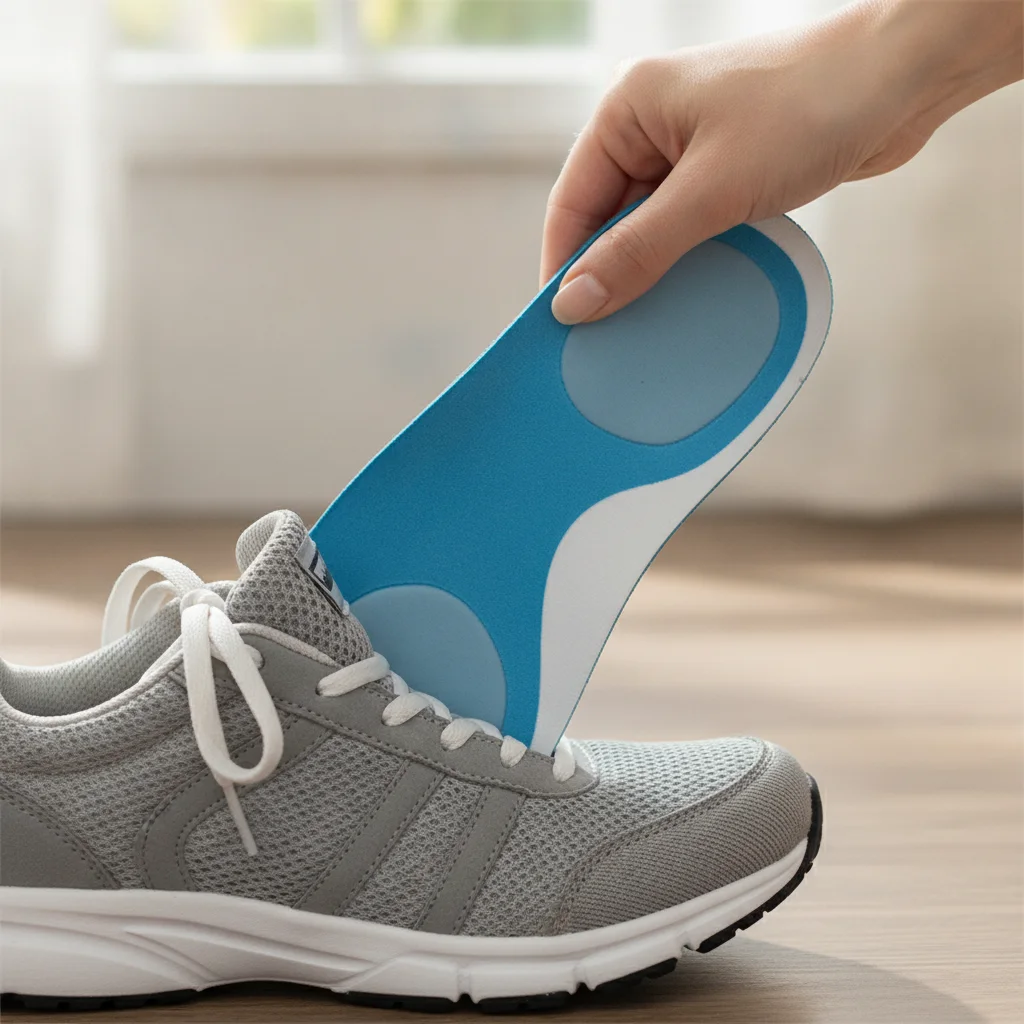
For symptomatic flat feet, arch-support insoles may redistribute pressure and improve comfort for some people. They do not permanently change foot shape or cure tendon dysfunction. Evidence for pain relief varies by diagnosis, activity, and device.
The NHS notes that insoles and suitable shoes do not change foot shape but may help symptoms such as pain or stiffness. This is the appropriate expectation for retail products: support and comfort rather than a cure.
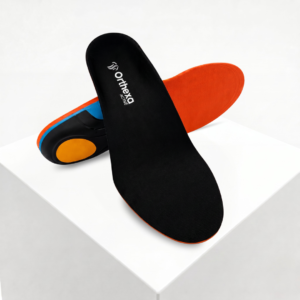
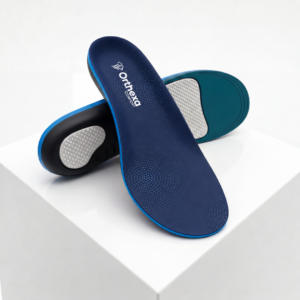
Orthexa offers two products intended for low-arch support. Shoe insoles – Comfort are a softer option intended for everyday walking, standing, and work. Whether they suit a particular foot depends on fit and symptoms. Shoe insoles – Active are intended to provide firmer arch support during brisk walking and sport. Claims about pronation control require product-specific testing. See the full shoe insoles range..
| Feature | Comfort insoles | Active insoles |
|---|---|---|
| Intended use | Everyday walking, standing, and work | Brisk walking, sport, and activity |
| Arch support | Moderate, with emphasis on comfort | Firmer, with intended pronation support |
| Cushioning | Soft and even for everyday wear | Designed for more responsive cushioning in impact areas |
| May suit | People on their feet for long periods | Active users seeking firmer support |
If you stand for long periods at work, shoe fit also matters. Read how to choose work shoes.
How do I choose insoles for flat feet?
Choose an insole based on symptoms, shoe volume, comfort, activity, and professional advice where needed. A higher or firmer arch is not automatically better, and an uncomfortable device can aggravate symptoms.
Consider these steps:
- Assess the foot, not only the footprint: Use the wet test only as a rough observation. New, one-sided, painful, or rigid flattening needs clinical assessment.
- Consider the activity: Choose a product that fits the shoe and intended activity; Comfort and Active have different intended uses.
- Check size and shoe space: The insole should sit flat and should not lift the heel out of the shoe or crowd the toes.
- Introduce it gradually: Wear a new insole for a few hours at first and increase use if it remains comfortable.
- Monitor the response: Mild awareness may occur initially, but sharp, persistent, or worsening pain is a reason to stop and seek advice.
An over-the-counter arch support may improve comfort but cannot replace a prescribed device or clinical management when there is severe deformity, rigid flatfoot, tendon dysfunction, neuropathy, or ulcer risk. Custom devices are not automatically superior for every symptom; the choice depends on assessment.
For a visual introduction, see this video:
When should you see a clinician?
Flat feet are often harmless, but seek assessment if they are painful or changing quickly. The NHS advises medical review for painful, stiff, weak, or numb feet, newly developed adult flat feet, or flattening on only one side.
Contact a doctor, physiotherapist, or podiatrist promptly if you notice:
- pain that persists despite suitable footwear, activity adjustment, or an insole;
- an arch that has visibly flattened over a relatively short time;
- swelling or pain along the inside of the ankle;
- numbness, tingling, or loss of feeling in the foot; or
- repeated ankle sprains or a sense of instability.
If you have diabetes, poor circulation, neuropathy, or a diagnosed foot deformity, ask a qualified clinician about footwear and insoles before use because pressure injury can go unnoticed.
Frequently asked questions
Can adult flat feet be cured?
A structurally collapsed adult arch generally does not return to its prior shape through an insole. The NHS explains that footwear and insoles may ease pain or stiffness without changing foot shape. Progressive tendon-related deformity may need additional treatment.
Do I need insoles if my flat feet do not hurt?
Not necessarily. Asymptomatic flat feet usually need no treatment or insole. Consider support when symptoms occur and the device improves comfort.
How do I use the wet test for flat feet?
Wet the sole and step on paper or a dry tile. An imprint showing most of the sole with little inner curve may suggest a low arch; a narrow outer connection may suggest a high arch. It is only a rough screen, not a diagnosis.
Which Orthexa insoles are intended for flat feet?
Comfort insoles are intended as a softer option for everyday walking, standing, and work. Active insoles are intended to provide firmer support during sport or heavier activity. Product fit and individual response determine suitability.
Can I run and play sport with flat feet?
Yes, in most cases. The NHS states that flat feet usually should not limit activity or sport. If pain occurs, adjust training and footwear, and seek professional advice if symptoms persist.
This content is informational and does not replace medical advice. Consult a doctor, physiotherapist, or podiatrist for persistent or marked foot, ankle, or knee symptoms.
From our store
Comfort shoe insoles