Is stress disrupting your sleep? How to calm your mind and body before bed
Do you toss and turn while your thoughts race, then wake feeling more tired than when you went to bed? You are not alone. Ongoing stress can make restorative sleep difficult. A demanding job and too little sleep may seem like an unavoidable part of modern life, but sleep is important for health and persistent stress should not be ignored. This article explains how stress can affect sleep and offers practical approaches that may help your mind and body settle before bed.
Understanding the relationship between stress and sleep
Stress and insomnia are closely related and can form a cycle. Stress can contribute to insomnia, while insufficient sleep can increase perceived stress and make it harder to cope. Understanding this cycle begins with what happens in the body during a stress response.
The body responds to stress by activating the fight-or-flight response, an old survival mechanism. Hormones including cortisol and adrenaline prepare the body to act: heart rate rises, breathing may become faster and shallower, and muscles tense. This response is useful during immediate danger but unhelpful when you are trying to fall asleep.
How stress affects sleep: the physiology
The effects of stress on sleep involve measurable physiological processes. They can make it harder to fall asleep and can also disrupt sleep quality and structure.
Cortisol: an alerting hormone at the wrong time
Cortisol, often called a stress hormone, follows a daily rhythm. Levels are normally higher in the morning and fall toward evening as the body prepares for sleep. Chronic stress may disrupt this pattern. Higher evening cortisol can be associated with greater alertness, difficulty falling asleep, and waking during the night.
Adrenaline and an elevated heart rate
Stress can keep the body in a state of heightened arousal. A faster heart rate, tense muscles, and quicker breathing can make it difficult to relax enough for sleep.
Effects on sleep architecture
Stress can affect both falling asleep and sleep quality. Research shows that insufficient sleep can impair emotional regulation and increase feelings of anxiety. Stress may also reduce deep NREM sleep, which supports physical recovery, and REM sleep, which is involved in emotional processing and memory. This can leave you tired even after spending a full night in bed.
Stress and sleep disorders: from occasional insomnia to chronic problems
It is important to distinguish occasional sleep difficulty from chronic insomnia. Acute stress, such as a work deadline or an argument, may cause short-term insomnia that improves when the stressful event passes. When stress becomes chronic, intermittent problems may develop into chronic insomnia. One diagnostic criterion is sleep difficulty at least 3 times a week for at least 3 months.
Chronic insomnia associated with stress can also occur alongside anxiety or depression, creating a cycle that may be difficult to break without appropriate support.
How to reduce stress for better sleep: practical approaches
Changes to your routine and stress-management techniques may help interrupt the cycle of stress and poor sleep. The aim is to give your body and mind time to settle before bed.
Create a relaxing evening routine
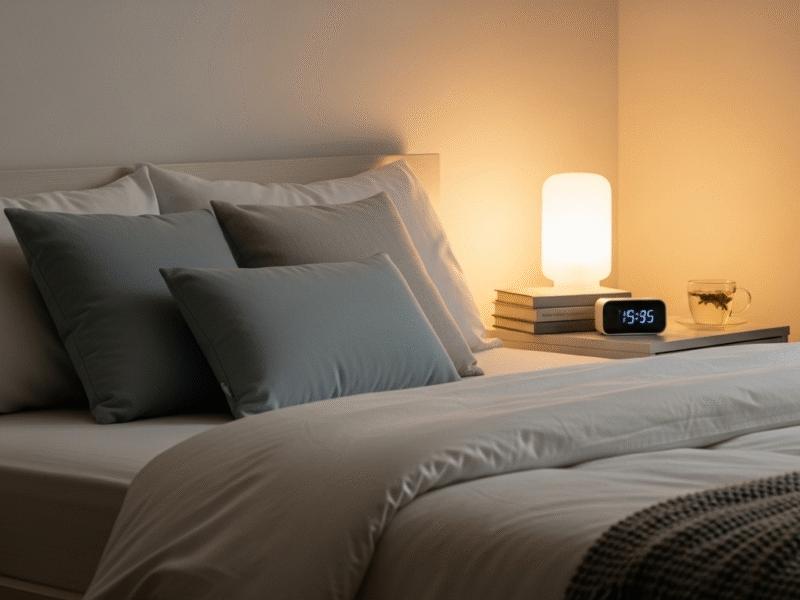
For 1–2 hours before bed, begin stepping away from daily tasks. Use this time to wind down rather than solve problems.
- Limit screens: blue light from phones, tablets, and televisions can suppress production of melatonin, a hormone involved in sleep timing.
- Take a warm bath or shower: the rise and subsequent fall in body temperature may help promote sleepiness.
- Read a book: choose something relaxing rather than highly stimulating.
- Listen to calm music or podcasts: soothing audio may help redirect your attention away from worries.
For more practical ideas, see our guide 17 tips for better sleep.
Relaxation and mindfulness techniques
When your thoughts remain active, a deliberate relaxation practice may help. These techniques can be useful tools for managing stress.
- Deep breathing: try the 4-7-8 technique: inhale through your nose for 4 seconds, hold your breath for 7 seconds, and exhale slowly through your mouth for 8 seconds. This exercise is intended to encourage the parasympathetic, or rest-and-digest, response. For more information, read how to fall asleep in 5 minutes with a simple breathing technique.
- Progressive muscle relaxation: deliberately tensing and then relaxing muscle groups throughout the body can help release physical tension.
- Meditation and mindfulness: even a few minutes of meditation a day may help settle the mind and reduce reactivity to stress.
The role of physical activity
Regular physical activity is an effective way to manage stress. It can improve mood and contribute to better sleep quality. Avoid intense exercise immediately before bed if it leaves you feeling more alert. Read more about how exercise affects sleep.
Improve your sleep environment
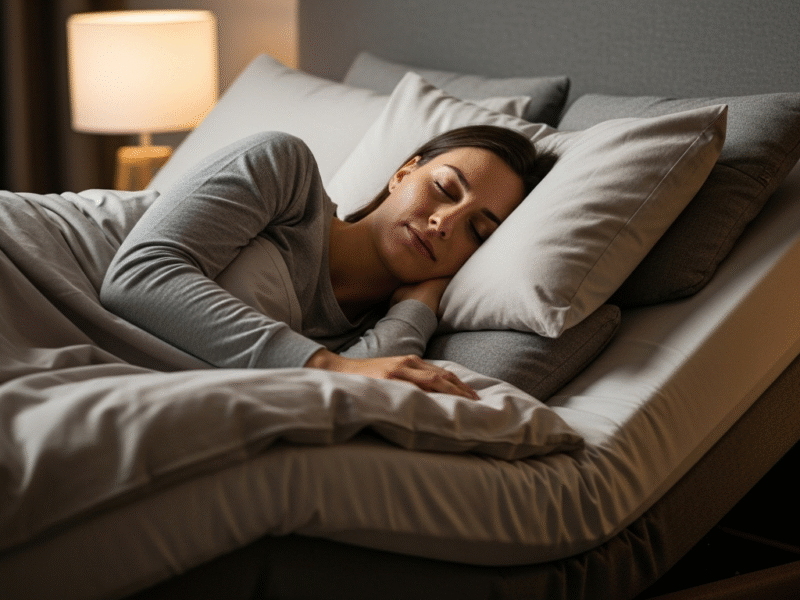
Keep the bedroom calm and comfortable, with conditions that support sleep.
Table: creating a comfortable sleep environment
| Factor | Recommendation |
|---|---|
| Temperature | A cooler bedroom, around 16–19 °C, may help you feel comfortable at night. |
| Light | Keep the room as dark as practical. Use blackout curtains or a sleep mask if needed. |
| Noise | Keep the room quiet. Use earplugs or a white-noise device if necessary. |
| Comfort | Choose a comfortable mattress and pillow that provide suitable support. |
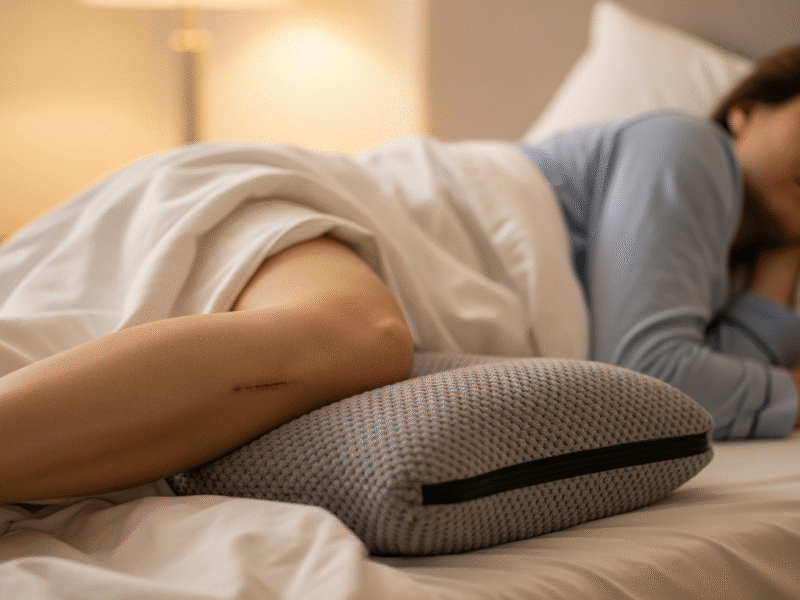
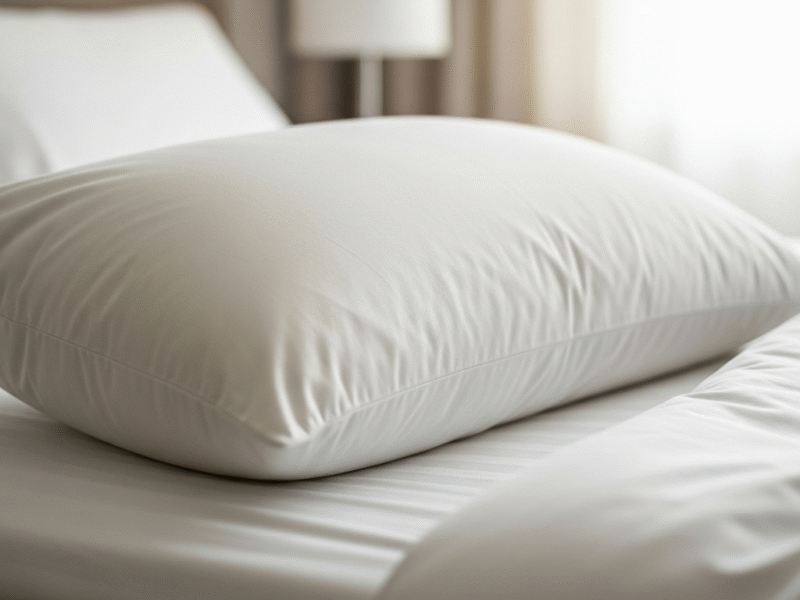
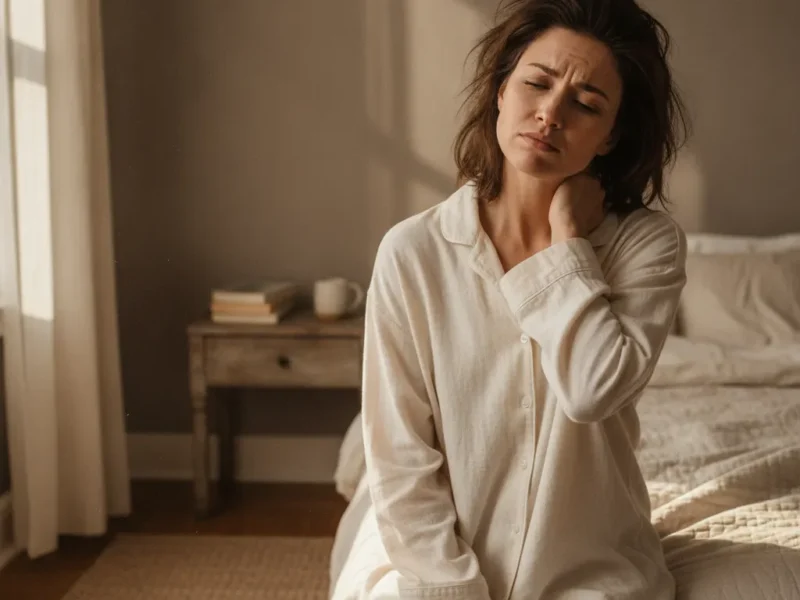
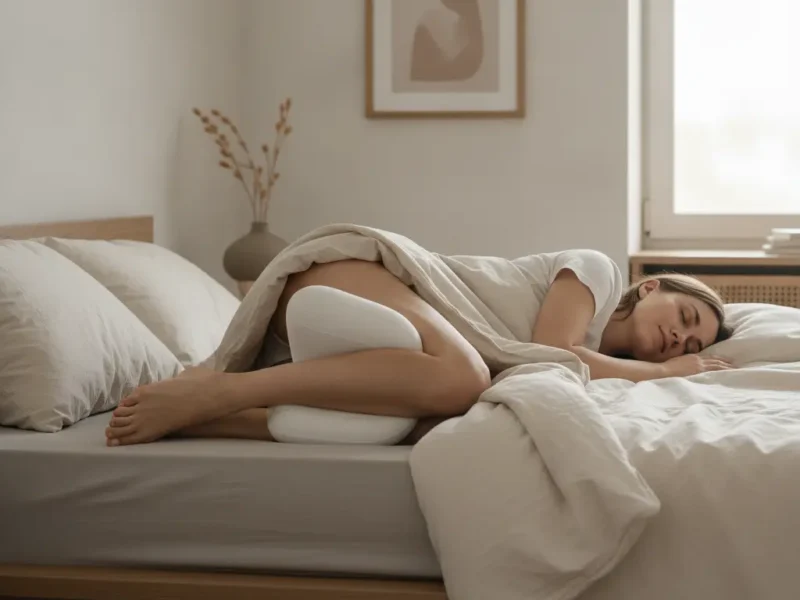
Physical discomfort, including neck or back pain, can add to stress and make it harder to relax. A supportive Memory contoured pillow may help keep the head and neck in a comfortable position and reduce physical tension. If neck pain is a concern, you may also find this article useful: Cervicalgia: when neck pain is more than a stiff neck.
An evening self-care routine
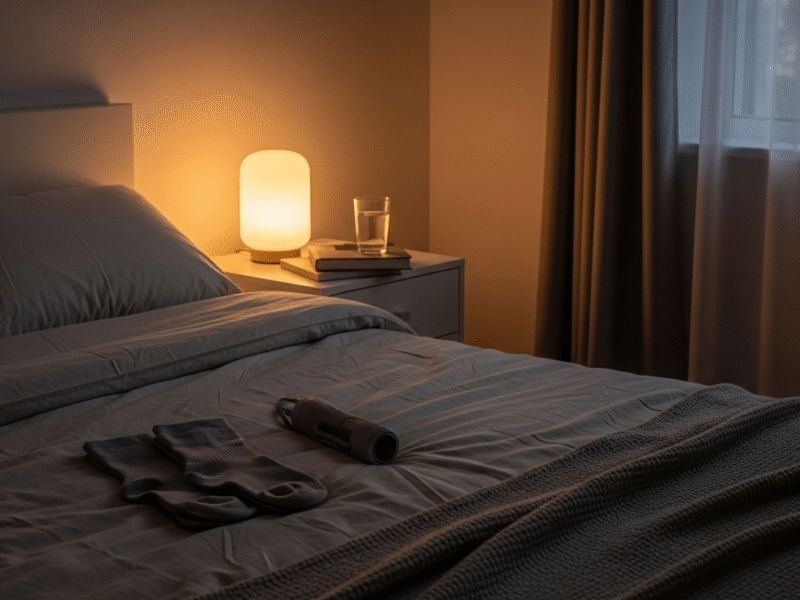
An evening routine can include simple self-care as well as the habits above. Choose products for their actual purpose and ingredients, without assuming that a product marketed as natural will treat stress or sleep problems. DetoxNatura foot patches are designed for overnight use and contain ingredients such as bamboo vinegar and ginger. Check the product instructions and ingredient information before use; they should not be relied on as a treatment for insomnia or stress.
When should you seek professional help?
Lifestyle changes may help many stress-related sleep problems, but professional support is sometimes needed. Talk to a doctor or therapist if insomnia lasts longer than 1 month, significantly affects daily life, or appears to be associated with anxiety or depression.
Conclusion
Stress can have a strong effect on sleep, but practical changes to your evening routine may help interrupt the cycle. Begin with small, manageable steps and seek professional support if the problem persists. For more information about stress and sleep, see material from the American Psychological Association (APA).
From our store