Cracked Heels: Causes, Care, and Prevention
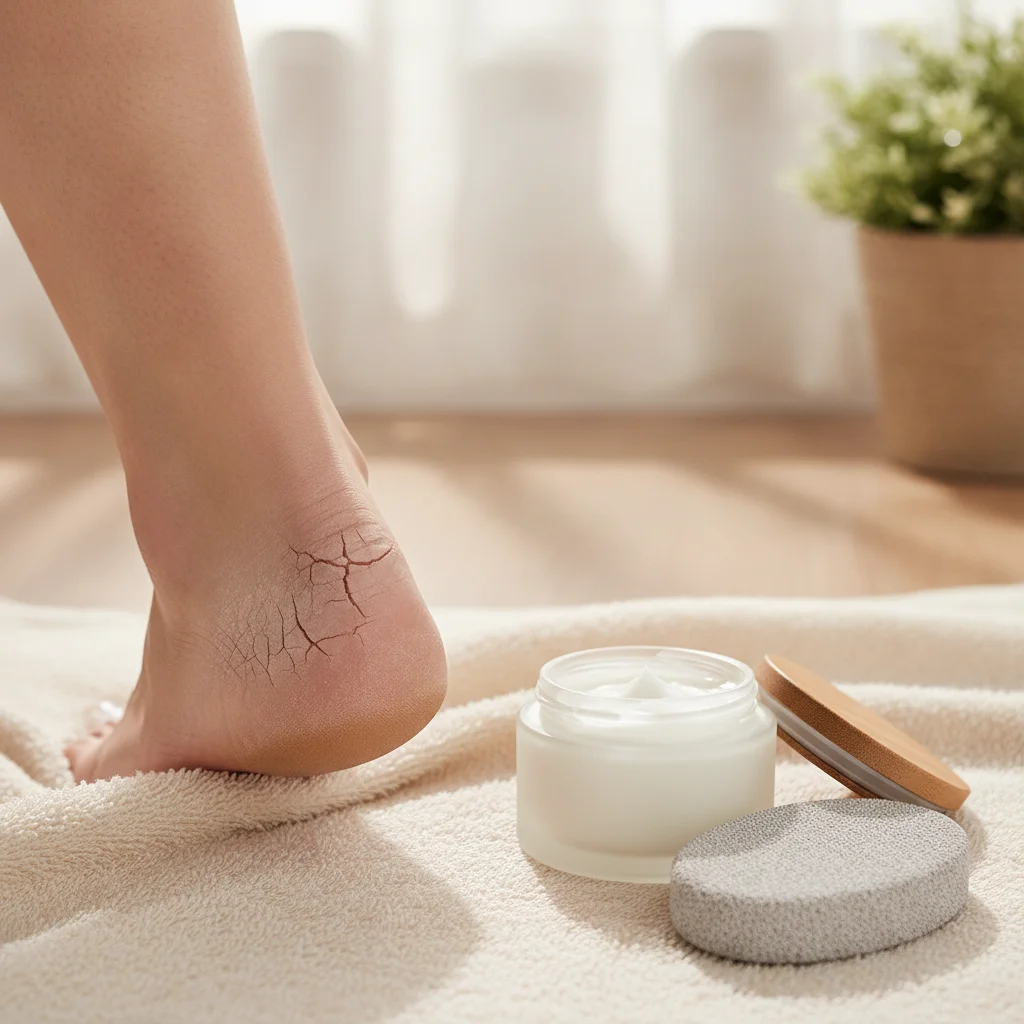
Cracked heels are splits in thick, dry skin around the heel. They develop when inflexible callused skin is placed under pressure and separates. Common contributors include dry skin, excess body weight, prolonged standing, and open-back footwear. Regular moisturizing, gentle callus care, and suitable shoes may support healing and help prevent recurrence.
This guide explains what heel fissures are, common causes, safe home care and prevention, why diabetes increases the risk of complications, and when to see a clinician.
What are cracked heels, and why do they develop?
Cracked heels, or heel fissures, form in dry, thick skin around the heel. Shallow cracks may be mainly cosmetic, while deeper fissures can burn, hurt, or bleed. Dry skin, body-weight pressure, and limited support around the sides of the heel can all contribute.
The dermatology resource DermNet describes cracked heels as a common foot problem that can make standing and walking painful when fissures deepen. It explains that dry callused skin first builds around the heel rim; pressure then spreads the heel fat pad sideways and can split the rigid callus.
The process begins at the surface. Thick, dry callused skin does not stretch as readily as healthy skin. When the heel bears weight and widens, this stiff rim can split. Cracked heels therefore reflect both skin condition and mechanical loading rather than poor hygiene alone.
What are the most common causes of cracked heels?
Common contributors include dry skin, excess body weight, prolonged standing on hard floors, and open-back shoes such as slides or sandals. Eczema, psoriasis, diabetes, and other health conditions may also affect skin or healing.
DermNet lists excess weight, prolonged standing, especially on hard floors, and open-back shoes as risk factors. Open footwear provides less support around the heel and exposes skin to dry air, so symptoms may worsen in summer.
- Dry skin. Skin with too little oil and moisture becomes less flexible and more likely to split under pressure.
- Pressure and body weight. Greater loading and prolonged standing can spread the heel fat pad outward.
- Open-back footwear. Slides, sandals, and barefoot walking leave the heel less supported and more exposed to drying.
- Thickened skin and callus. A rigid callused rim may split rather than stretch.
- Health conditions. Eczema, psoriasis, and diabetes may dry the skin or impair healing.
Cracked heels may occur alongside other overloaded-foot symptoms. If you also have pain beneath the heel or arch, learn why your heel hurts in the morning, since another heel condition may need separate assessment.
How can you care for cracked heels at home?
For uncomplicated shallow fissures, gently soften and smooth callused skin, then apply a thick moisturizer or ointment. Apply it to slightly damp skin, preferably in the evening, and use clean cotton socks if they help keep the product in place. Do not file bleeding, infected, or deeply split skin. People with diabetes, poor circulation, or reduced sensation should obtain professional advice before self-treating.
The first step is gentle callus care. The UK NHS suggests soaking hard skin briefly in warm water, gently using a pumice stone or foot file, and moisturizing regularly. It warns against cutting corns or hard skin yourself because this can cause injury and infection.
The second step is moisturizing. Ointments and creams are generally more occlusive than lotions. The American Academy of Dermatology (AAD) lists ingredients such as glycerin, hyaluronic acid, lactic acid, lanolin, mineral oil, petrolatum, and shea butter. Heel products often contain urea and lactic acid, which attract water and soften thick skin. Apply moisturizer while the skin remains slightly damp. Acids and higher-strength urea may sting open fissures, so follow the label or ask a pharmacist.
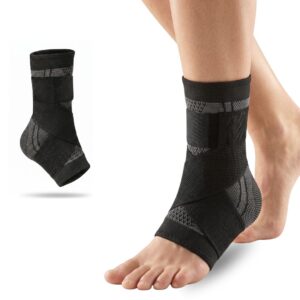
For a structured routine, see our foot-care range, including files and moisturizing products. If heel pain also reflects plantar fasciitis or overload, the PlantarCare support may provide positioning or support for some people, but it does not heal skin fissures or replace appropriate diagnosis.
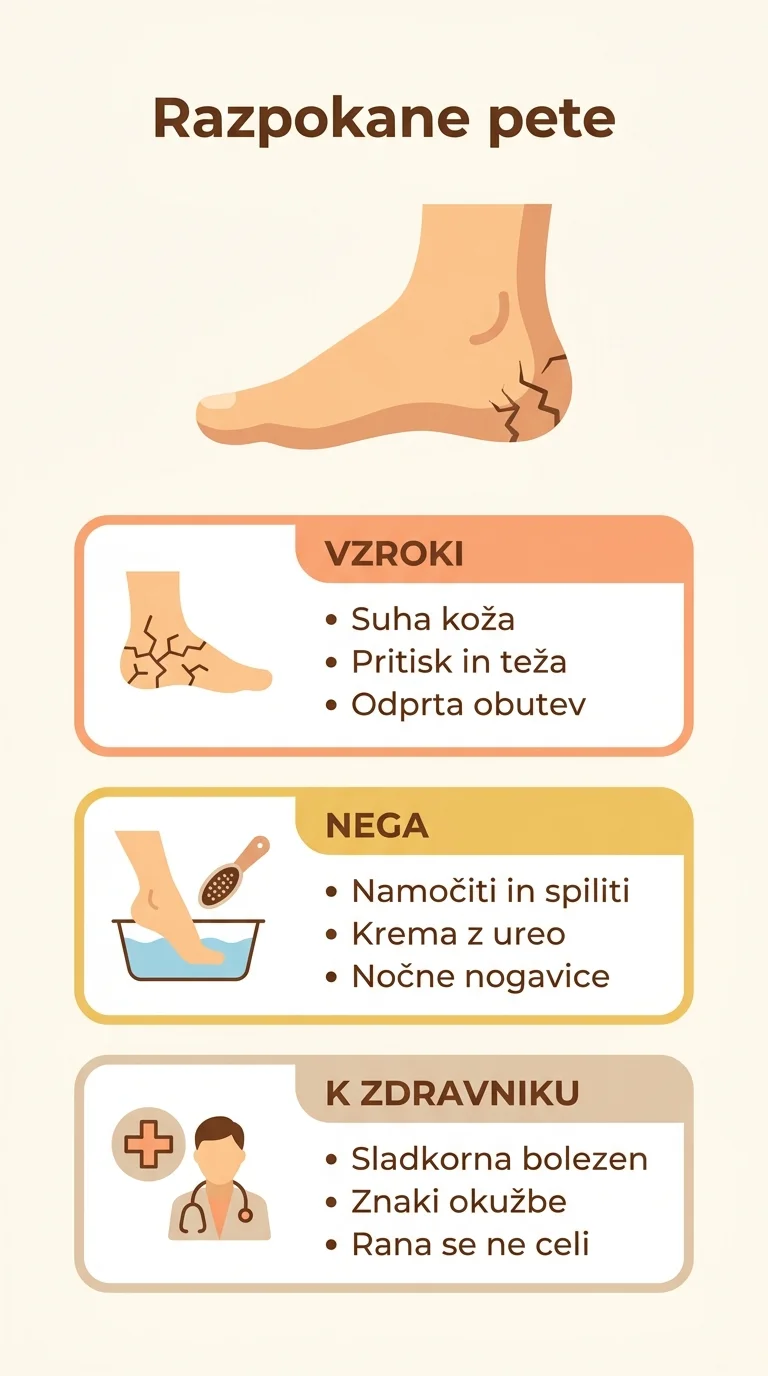
The infographic below summarizes major causes, home care, and reasons to contact a clinician.
Step-by-step care
- Soak the feet in warm water for 10 minutes to soften hard skin, unless a clinician has advised against soaking.
- Gently file damp callus with a pumice stone or foot file, removing only a little and never filing to the point of bleeding.
- Pat dry and promptly apply a thick cream or ointment containing ingredients such as urea, lactic acid, or petrolatum.
- Wear thin, clean cotton socks overnight if this keeps the moisturizer in place without trapping problematic moisture.
- Repeat nightly until the skin softens, then maintain the routine 2–3 times a week as tolerated. Stop if irritation or pain worsens.
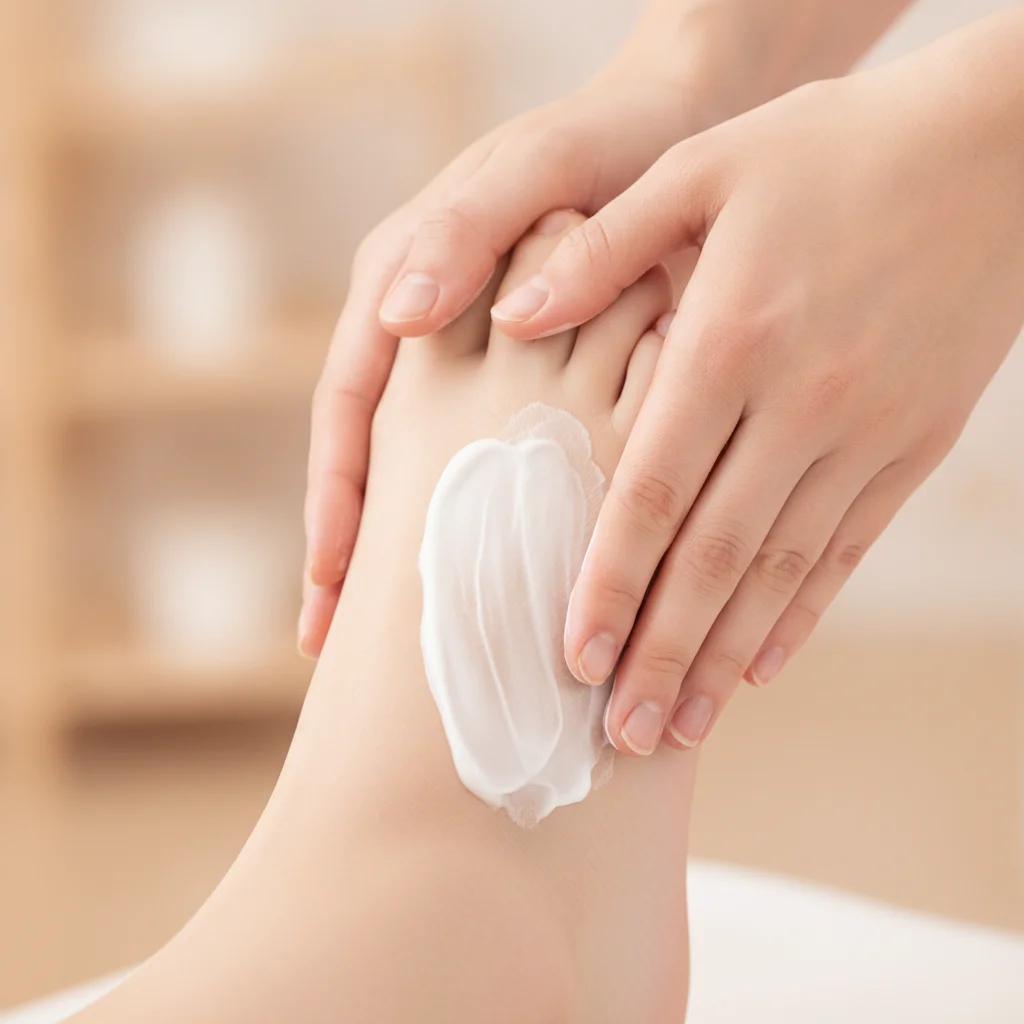
Which care step does what?
This table explains the purpose and limits of each step. Consistent combined care is usually more useful than expecting one measure to close a deep fissure overnight.
| Approach | How | Potential benefit | Limitation |
|---|---|---|---|
| Soaking | Warm water for 5–10 minutes | Softens hard skin before gentle filing | Prolonged soaking can dry or damage skin and may be unsuitable for high-risk feet |
| Pumice stone or foot file | Gently smooth damp callus | Reduces a rigid callused edge | Never cut or file to bleeding; avoid self-treatment with high-risk feet |
| Urea moisturizer | Apply a thick cream to slightly damp intact skin | Attracts moisture and softens thick skin; may support fissure healing | Requires consistency and may irritate open skin |
| Overnight socks | Wear clean cotton socks over moisturizer | Keeps the product in contact with skin longer | Only an adjunct to skin care |
| Suitable footwear | Closed or supported heel with a cushioned sole | May reduce heel spreading and drying | Does not replace skin care |
How can you help prevent cracked heels?
Moisturize regularly and prevent callus from becoming excessively thick. Choose comfortable footwear that supports the heel, limit prolonged barefoot walking on hard surfaces, and manage health conditions that affect the skin or feet. Drinking extra water alone has not been shown to prevent heel fissures.
- Daily moisturizing. A brief evening routine may help prevent excessive dryness and thickening.
- Closed, cushioned footwear. A supported heel may spread less under load.
- Less barefoot walking on hard floors. Hard tile and concrete can increase pressure and callus formation.
- Weight and standing management. Reducing prolonged heel loading may reduce mechanical stress where practical.
- Regular gentle filing. Removing small amounts of callus before it becomes very thick may reduce splitting; do not file high-risk or damaged skin without advice.
Prevention matters because severe fissures can become infected and lead to cellulitis, as DermNet notes. Early skin care is preferable to allowing an open crack to become an entry point for infection. If you spend much of the day on your feet, also read how walking strengthens the feet and how to relieve tired feet.
Cracked heels with diabetes: why are they risky, and when should you see a doctor?
With diabetes, heel fissures can become more serious because neuropathy may reduce sensation and impaired circulation can slow healing. A person may not notice an injury early. Keep the threshold for professional foot care low.
The US National Institute of Diabetes and Digestive and Kidney Diseases (NIDDK) explains that diabetic neuropathy can cause tingling, pain, or loss of feeling and that reduced blood flow can make a wound or infection harder to heal.
DermNet notes that fissures in people with diabetes can progress to diabetic foot ulcers. NIDDK recommends checking the feet every day and applying a thin layer of lotion, cream, or petroleum jelly to the tops and bottoms, but not between the toes where retained moisture may promote infection. People with diabetes should not cut or aggressively file heel callus themselves. The NHS similarly advises people with diabetes, heart disease, or circulation problems not to self-treat corns or hard skin.
For a visual introduction, see this video:
When to see a clinician
- Diabetes, poor circulation, or nerve damage. Do not cut or aggressively file cracked heels yourself; consult a doctor, podiatrist, or other qualified foot-care professional.
- Signs of infection. Redness, swelling, warmth, increasing pain, pus, or drainage from a fissure needs medical assessment.
- Deep, painful, or bleeding fissures that interfere with walking or do not improve after three weeks of suitable care.
- A wound that is not healing. NIDDK advises promptly contacting a clinician about a foot cut, blister, or bruise that does not begin healing within a few days.
This content is informational and does not replace medical examination. Home care may help uncomplicated cracked heels but does not treat an underlying disease. Seek medical help for infection, diabetes-related foot injury, or a wound that is not healing.
Frequently asked questions about cracked heels
How quickly do cracked heels heal?
With daily care, shallow fissures may improve noticeably within one to two weeks. Deep or painful fissures often take longer. If there is no improvement within three weeks, seek advice from a doctor or podiatrist, and seek earlier care for infection or high-risk conditions.
Which cream is best for cracked heels?
Thick creams and ointments are usually more occlusive than lotions. AAD lists glycerin, lactic acid, lanolin, and petrolatum among useful ingredients. Urea creams can attract moisture and soften callus, but strength and suitability depend on whether skin is open or irritated.
Can I cut hard skin from my heel myself?
No. The NHS advises against cutting hard skin or corns because of injury and infection risk. For low-risk intact skin, soften it and file gently. With diabetes, poor circulation, reduced sensation, or an open fissure, use professional foot care.
Why do my heels crack in summer?
Open-back slides and sandals are a DermNet risk factor. They provide less side support and expose skin to dry air, so fissures may appear or worsen in summer.
Can cracked heels be dangerous?
They are mainly uncomfortable for many people, but severe fissures can become infected and lead to cellulitis. In diabetes, they can contribute to foot ulceration. Do not ignore infection signs or a nonhealing wound.
From our store