How to Breathe and Sleep More Easily with a Stuffy Nose
A stuffy nose can disrupt sleep and leave you feeling tired the next morning. A cold may also cause an irritated throat, cough, and general discomfort. Several simple measures can provide relief from cold-related congestion, helping you breathe more comfortably while the illness runs its course. They do not cure the cold or guarantee faster recovery.
This guide covers home care, safe use of common products, nighttime positioning, and signs that need medical advice.
Why is it hard to breathe through the nose during a cold?
A cold virus triggers inflammation and swelling in the nasal lining. The body also produces more mucus. Swollen tissue and mucus narrow the nasal passages and can lead to mouth breathing, which may leave the throat dry or irritated.
Congestion can feel worse when you lie down because posture changes blood flow and mucus drainage. Measures that improve comfort may help you rest, although sleep does not shorten every cold.
How to ease cold-related congestion: immediate measures
A few simple steps may reduce discomfort when you have a cold.
Add moisture to dry air
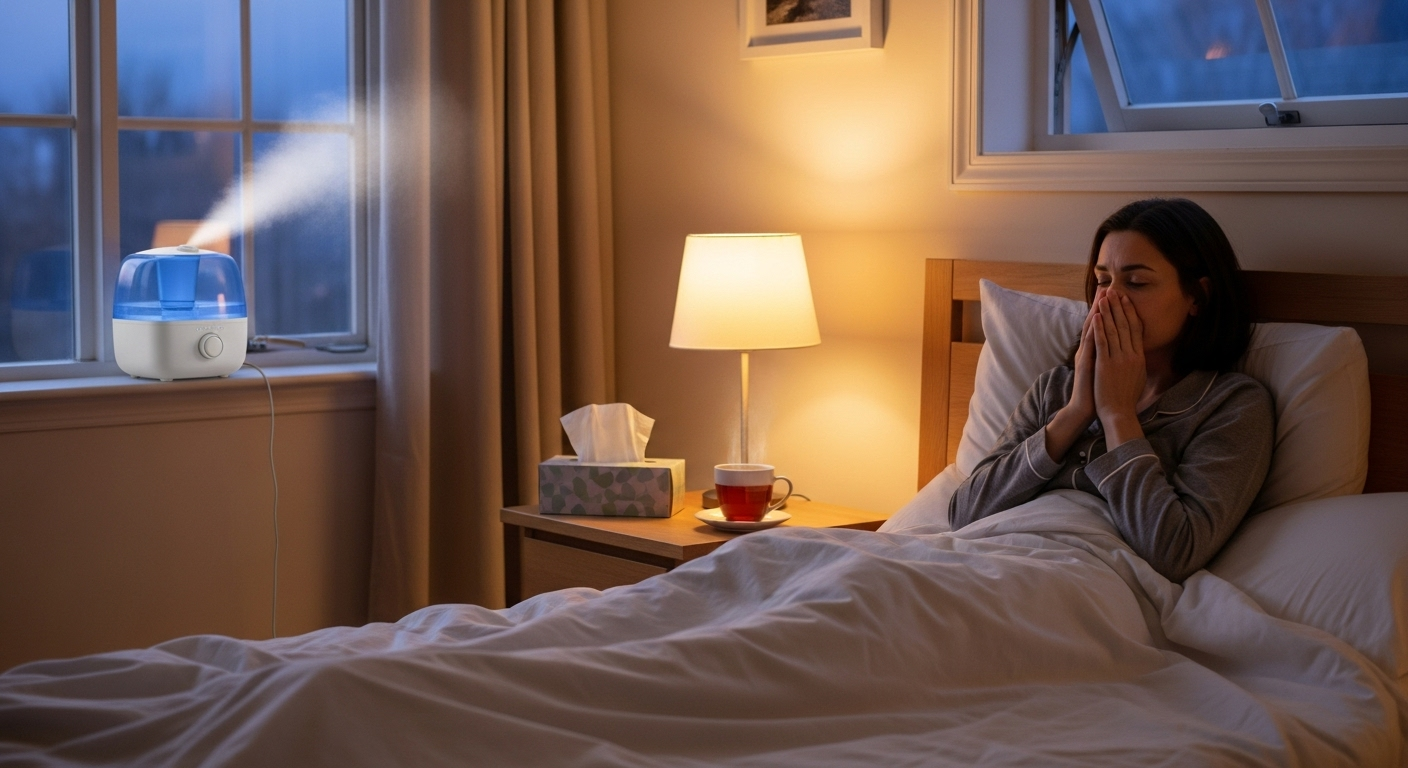
Dry heated air can irritate the nose and throat. A clean cool-mist humidifier may help maintain comfortable humidity. Aim for approximately 40% to 60%, and clean the unit as directed to prevent mold or bacteria. A damp towel near a radiator may add some moisture, but keep water and fabric away from electrical or fire hazards.
Drink enough fluids
Water, tea, and soup can help you maintain hydration. Warm drinks may soothe the throat and temporarily loosen mucus, although steam from a cup does not open the lower airways.
Make time for rest
Rest when you feel unwell and maintain a regular sleep opportunity. Sleep supports immune function, but needing several days to recover from a cold is normal.
Home measures for cold-related congestion
Several home measures for cold-related congestion may improve comfort, but benefits and risks differ.
Steam for cold-related congestion: use caution
Warm, humid air may temporarily soothe dryness or loosen mucus, but evidence for steam inhalation is limited and bowls of boiling water can cause serious burns.
A warm shower is safer than leaning over a bowl of boiling water. Do not place your face 10–15 cm above hot water or cover your head with a towel. Limit exposure to 10 to 15 minutes if comfortable, supervise children around hot water, and do not add salt or herbs expecting a disinfectant effect.
Essential oils for cold symptoms
Essential oils for cold symptoms are concentrated plant products. Their scent, including menthol, can create a sensation of easier airflow, but they do not reliably unblock the nose or treat the virus.
Follow the product label and avoid swallowing oils, applying them undiluted to skin, or adding them to water used near the face. Diffusers may irritate the airways and can be unsafe around children, pets, asthma, pregnancy, or certain health conditions. Ask a pharmacist or clinician if unsure.
| Essential oil | Commonly marketed use | Safety note |
|---|---|---|
| Eucalyptus | Scent may create a cooling sensation; evidence for treating congestion is limited. | Use only as labeled; avoid direct steam inhalation and keep away from young children. |
| Peppermint | Contains menthol, which changes the sensation of airflow without necessarily opening the nasal passages. | Use only as labeled; do not place undiluted oil on the skin or under the nose. |
| Tea tree | Has antimicrobial activity in laboratory studies, but this does not establish a benefit for colds. | Do not swallow or inhale concentrated vapor. |
| Lavender | Its scent may feel relaxing to some people; it does not treat nasal inflammation. | Use only as labeled and stop if it irritates the skin or airways. |
Saline spray and nasal rinsing
Saline spray or irrigation can remove excess mucus and allergens and moisten the nasal lining. Premixed pharmacy products are convenient. For a homemade rinse, use only distilled, sterile, or previously boiled and cooled water, with a properly measured recipe such as one-quarter teaspoon of salt per cup; clean the device after use.
Nighttime relief: tips for sleeping with a stuffy nose
Congestion often feels most troublesome at night. A comfortable sleep position and safe symptom relief may reduce awakenings.
Elevating the upper body
Some adults find that modest upper-body elevation reduces the sensation of congestion or postnasal drainage. Stacking ordinary pillows can bend the neck or body awkwardly.
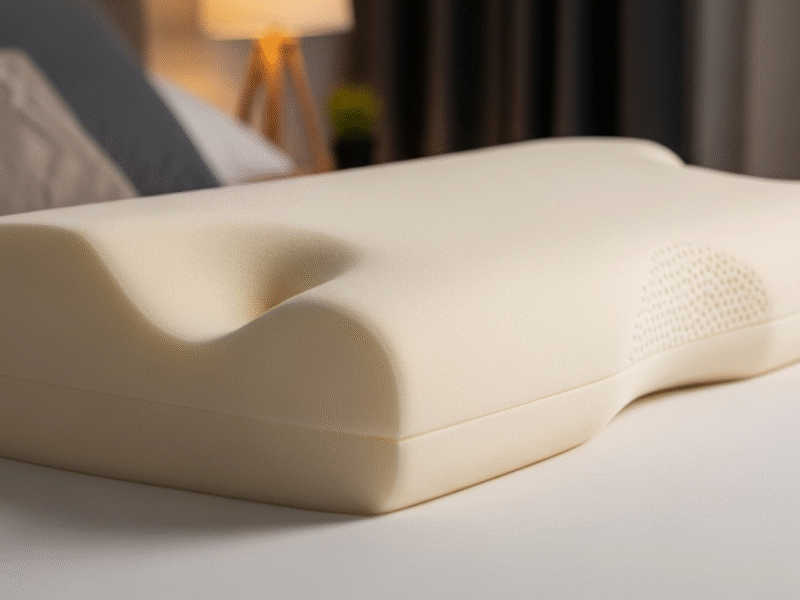
A stable wedge may provide a more consistent incline for an adult. Wedge pillow – ComfortLift is designed to support the upper body on a gradual incline. It may feel comfortable during a cold and may also be used by some adults with reflux, but it does not treat infection, sinus disease, snoring, or breathing disorders. Learn more in Sleeping with the Upper Body Elevated: When Can It Help?
Special considerations for children and babies
Methods used by adults are not always safe for children, especially babies. Follow age-specific product labels and seek pediatric advice when needed.
Relieving a baby’s stuffy nose
Relieving a baby’s stuffy nose requires gentle care because nasal congestion can interfere with feeding and sleep.
- Saline drops and a nasal aspirator: Before feeding or sleep, place a few saline drops in each nostril and, if needed, gently remove loosened mucus with a bulb syringe or approved aspirator. Avoid excessive suction.
- Humidity: Use a clean cool-mist humidifier in the room, placed safely out of reach.
- Safe sleep surface: Place a baby on their back on a firm, flat, level sleep surface. Do not incline the crib mattress or place towels, wedges, positioners, or other objects beneath or inside it. Never put a pillow directly beneath a baby’s head.
- Warm bathroom air: A brief stay in a comfortably steamy bathroom may soothe dryness, but keep the baby away from hot water and stop if breathing seems worse.
Relieving cold symptoms in an older child
Some adult measures can be adapted for older children, with close attention to safety.
- Steam: Avoid bowls of hot water because of burn risk. A warm shower or bath is safer and still requires adult supervision.
- Honey: For children older than one year, a teaspoon of honey before bed may help reduce a cough. Never give honey to a baby under one year.
- Fluids and rest: Offer fluids regularly and allow extra rest.
Important: do not use essential oils or mentholated or camphorated rubs for children under two unless a pediatric clinician specifically directs you to do so. Keep all such products out of reach.
What else may help a stuffy nose?
A few other comfort measures may be useful.
- Warm compress: Place a comfortably warm, not hot, damp cloth across the forehead and nose. It may ease the sensation of sinus pressure.
- Warm shower: Moist air from a warm shower may temporarily loosen mucus and soothe dryness.
- Food: Warm chicken soup can provide fluid and comfort. Ginger, garlic, fruit, and vegetables can be part of a balanced diet, but no food or vitamin C source cures a cold.
When should you seek medical care?
Most colds can be managed at home, but seek medical advice for the following signs:
- Breathing difficulty beyond a blocked nose, including shortness of breath or wheezing.
- A fever above 38.5°C that lasts more than three days.
- Symptoms that do not improve after 10 days or that worsen after initially improving.
- Severe headache, ear pain, or marked facial or sinus pain.
- For a baby younger than three months, contact a clinician promptly for any fever and seek advice for cold symptoms, poor feeding, or breathing difficulty.
A cold is uncomfortable, but hydration, rest, saline, and comfortably humid air may ease symptoms. Adults may try modest upper-body elevation if it feels better. Avoid burn hazards and unsafe infant sleep positioning, and seek care for warning signs.
For more respiratory-health information, see the website of the Slovenian National Institute of Public Health (NIJZ).
Related: how to stop snoring.
From our store