Blog

The Effects of Prolonged Sitting and What Actually Helps

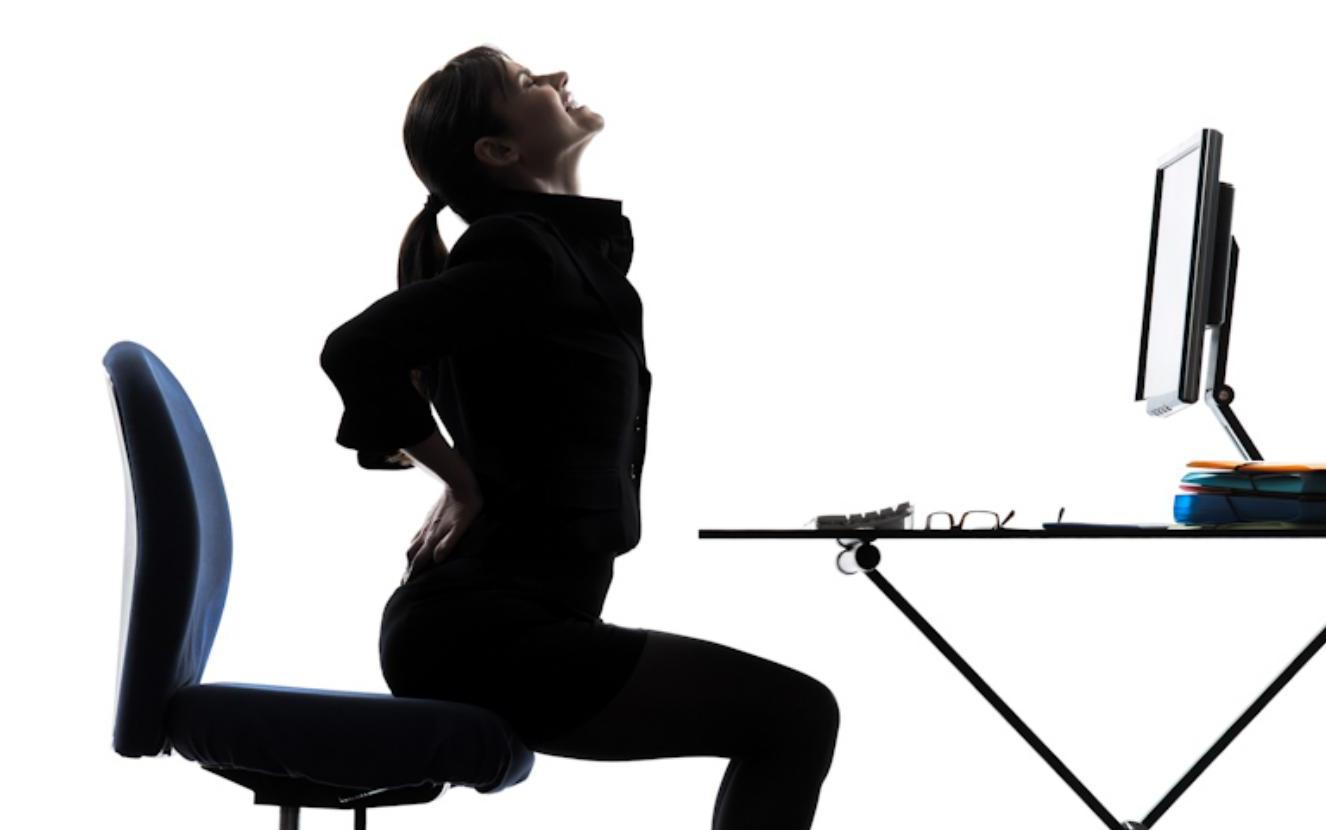
Prolonged sitting can affect spinal comfort, metabolism and circulation, and is associated with higher mortality. In a large analysis, 60–75 minutes of moderate physical activity a day was associated with offsetting the increased mortality risk linked to sitting for more than eight hours. These population-level findings do not guarantee an...

Read more...
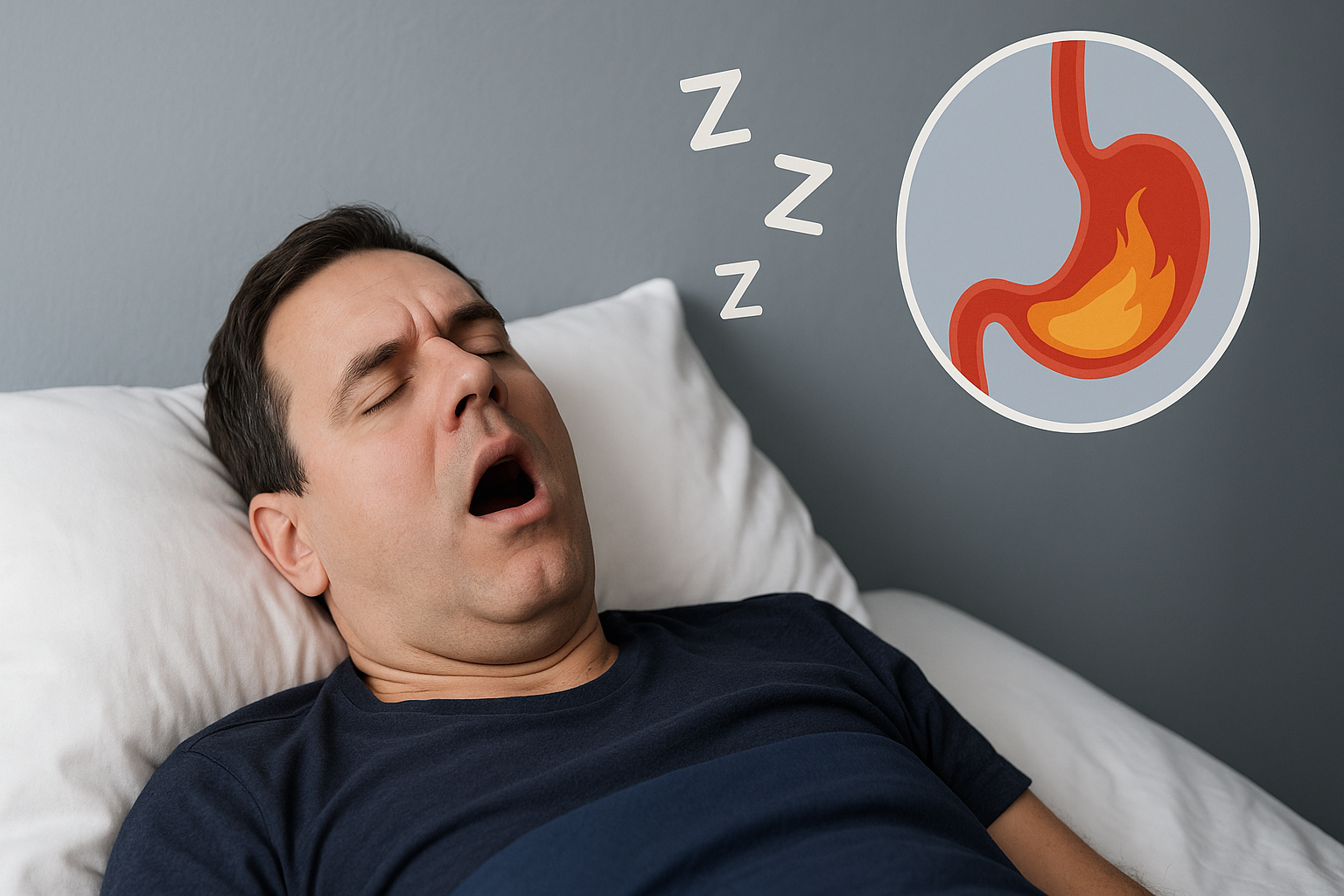
Man lying on his back and snoring loudly, which may be associated with nighttime acid reflux (GERD)

Snoring and GERD: How Are They Connected?

Snoring and gastroesophageal reflux disease (GERD) are considered separate problems, but they often occur together and may aggravate each other. Reflux can irritate the throat and worsen snoring, while pressure changes during snoring or apnea may make it easier for stomach acid to rise. Evidence supports a bidirectional relationship, although...

Read more...

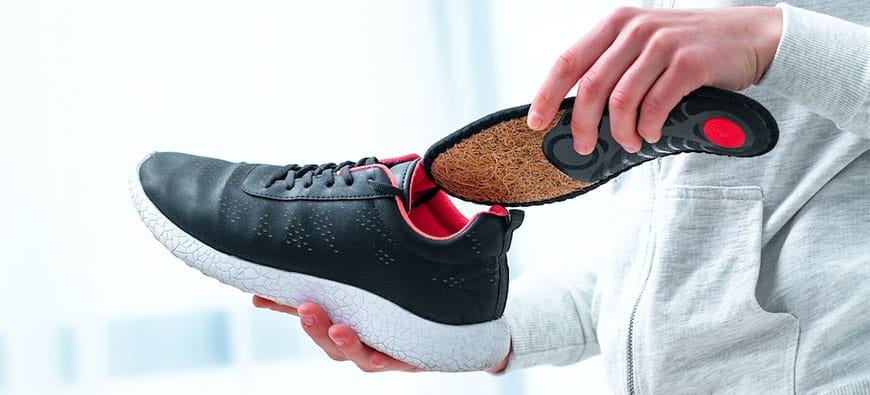
Work Shoe Insoles: Why They Matter

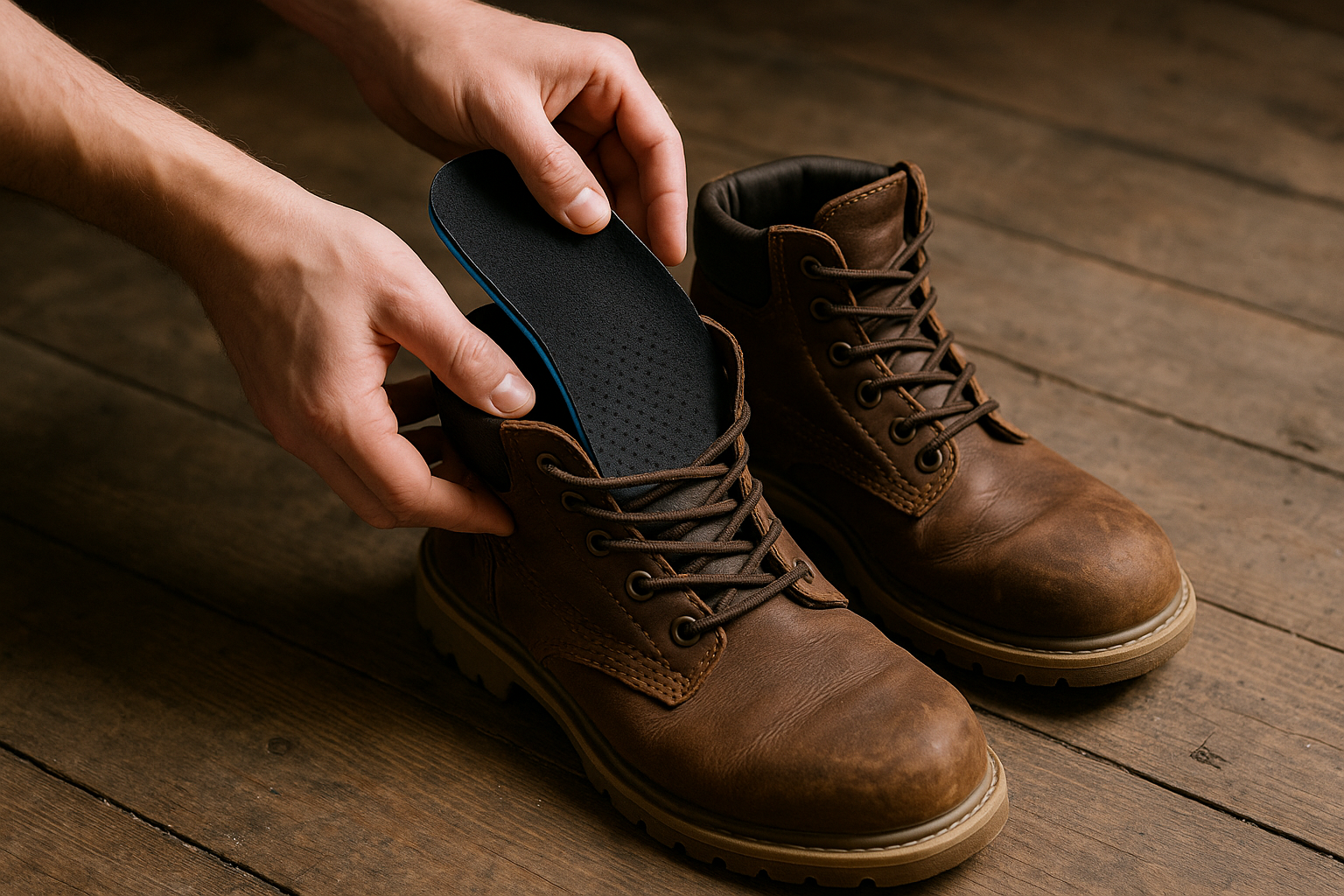
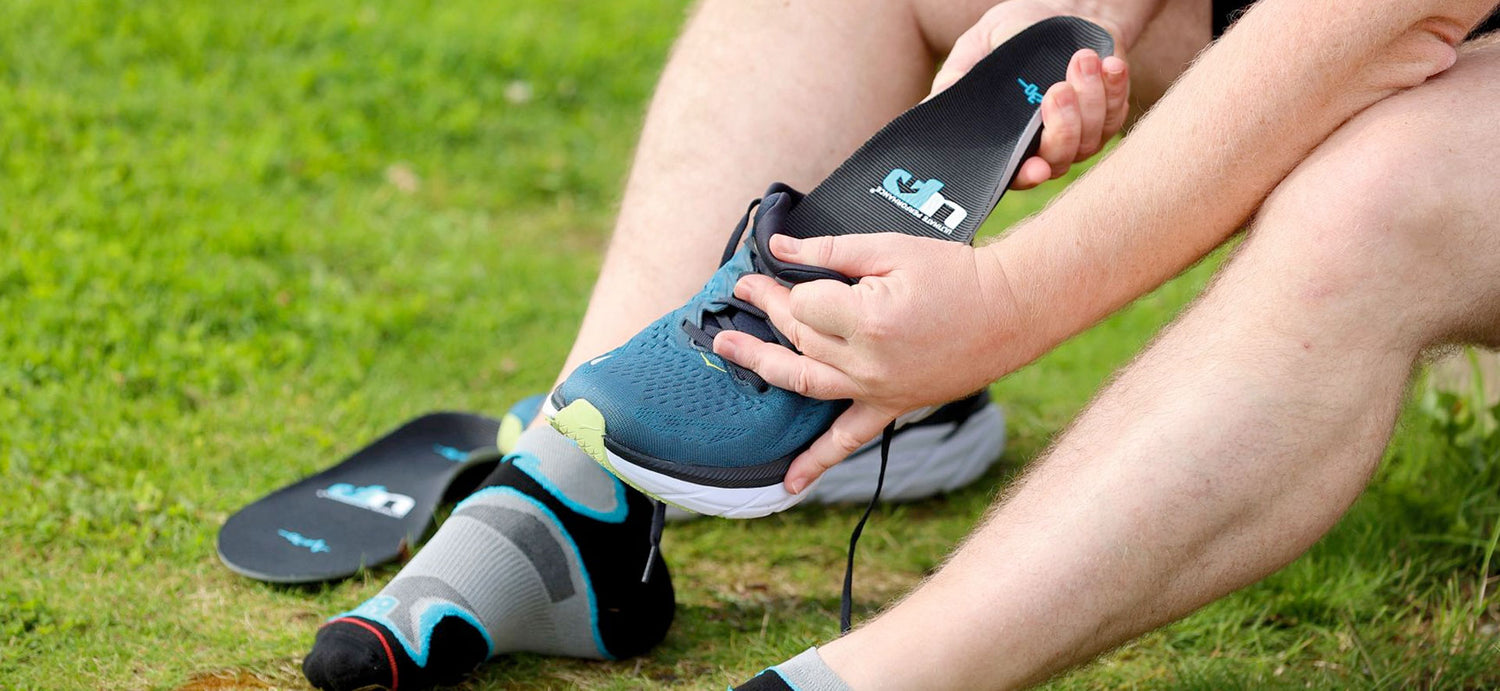
Work shoes are designed primarily for safety features such as a steel toe, slip-resistant sole, and water resistance, rather than foot comfort. Their factory insoles are often thin foam inserts without arch support and may compress within a few weeks. This is why supportive insoles can make a major difference...

Read more...

Varicose veins: 9 natural ways to manage symptoms at home

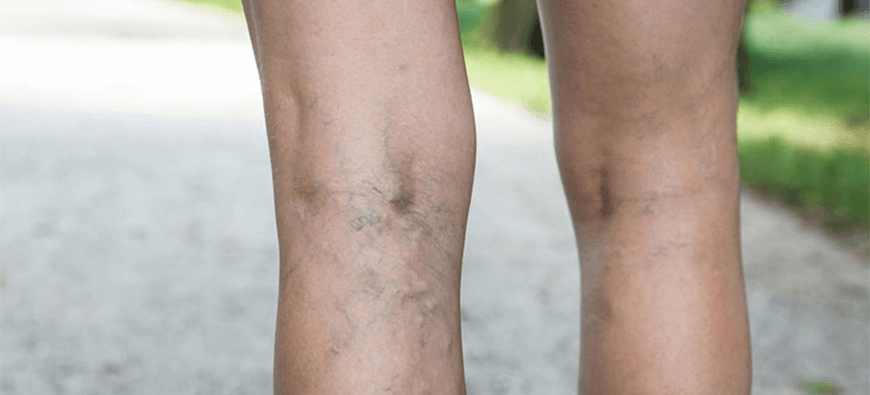
Varicose veins, also known as varicosities, are enlarged, twisted veins caused by weakened venous valves. They affect approximately 23% of adults. Home measures such as exercise, compression, elevating the legs, and managing body weight can relieve symptoms and may slow progression, but they do not remove existing varicose veins. Only...

Read more...

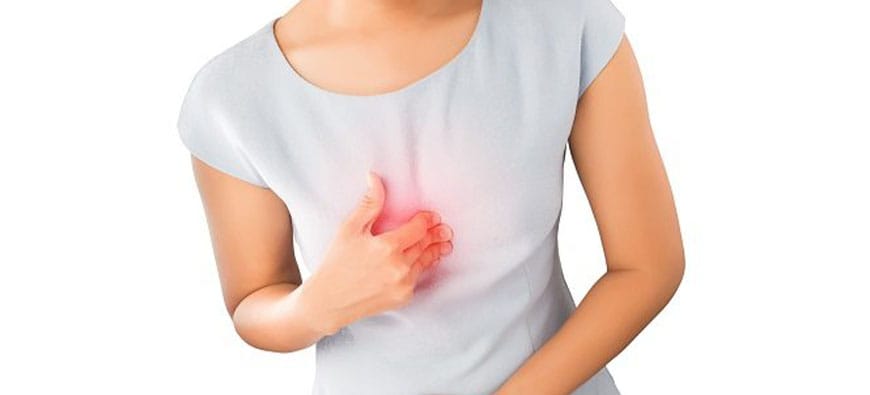
Natural heartburn relief: 5 measures that really work

Heartburn, a burning sensation behind the breastbone caused by stomach acid flowing into the esophagus, can be eased naturally with five evidence-based measures: managing body weight, eating an earlier and smaller dinner, sleeping with the upper body elevated, stopping smoking, and identifying your own food triggers. About 14% of people...

Read more...
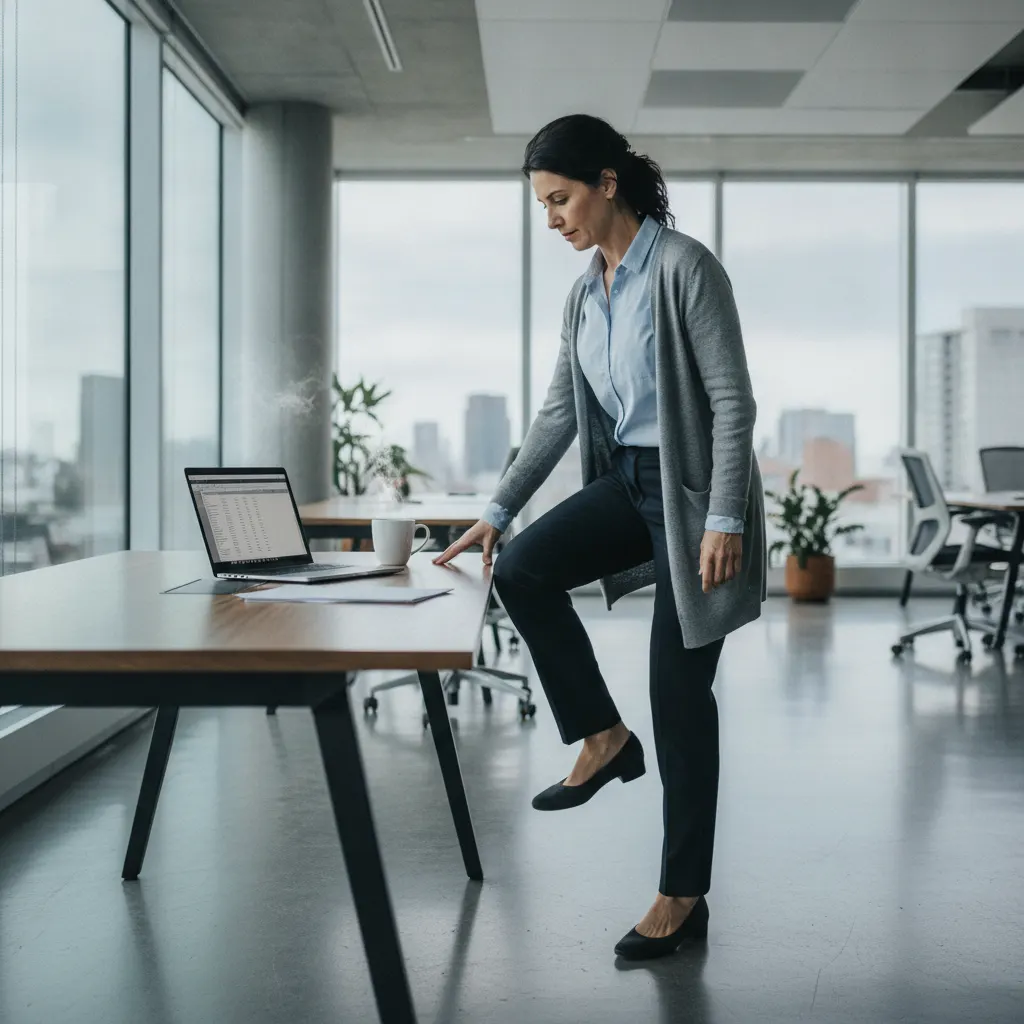
A movement break at an office desk every 30 to 45 minutes interrupts prolonged sitting and maintains mobility through the workday.

How to move more during the day: 10 simple habits

You do not need to find an extra hour for exercise to move more during the day. Simply build more walking and short activity breaks into the things you already do: take the stairs instead of the elevator, park farther away, take a movement break every 30–45 minutes, and spend...

Read more...
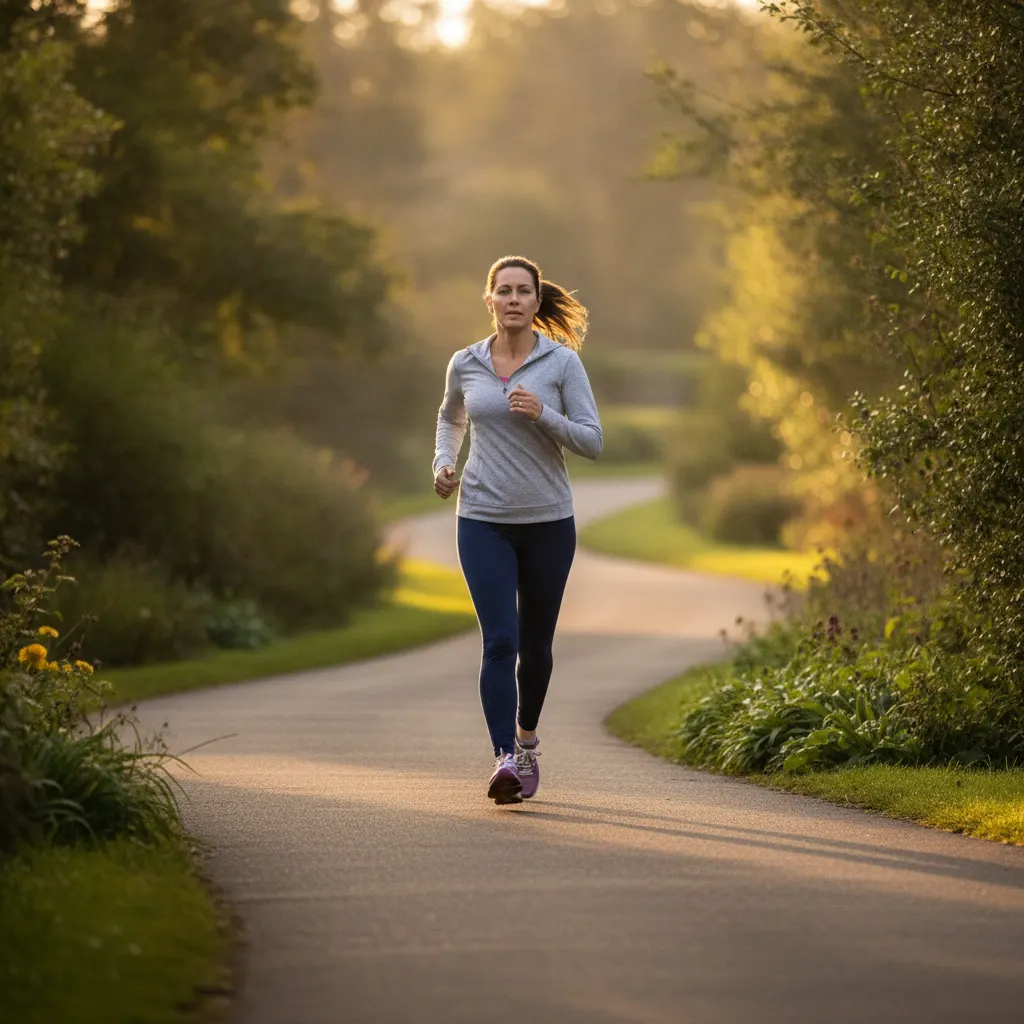
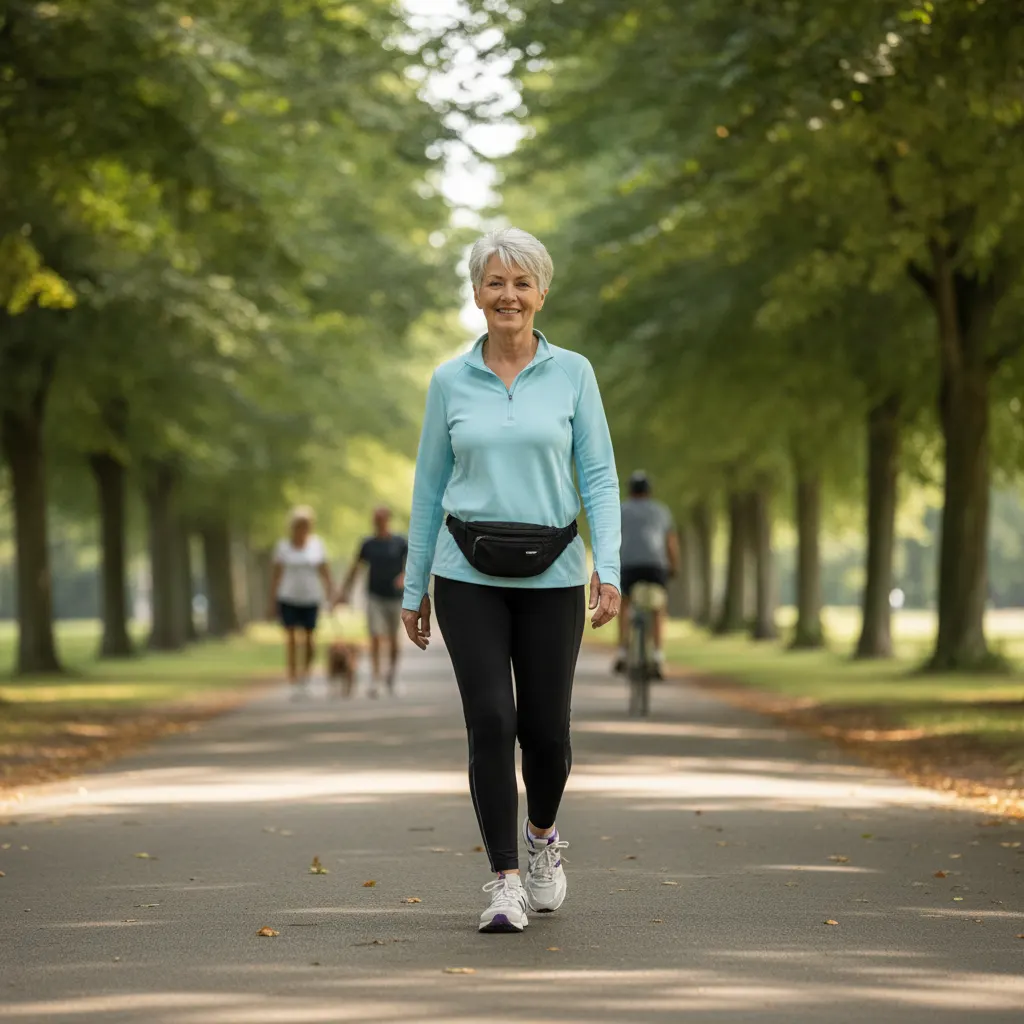
Woman walking briskly along a paved park path in the early morning sun

Benefits of walking: 8 reasons to walk every day

Walking is one of the most accessible forms of physical activity. Research has associated about 30 minutes a day with up to a 19% lower risk of coronary heart disease, better blood glucose control, and greater creativity. Walking is free, requires no special equipment, and is easy to begin. Below are...

Read more...
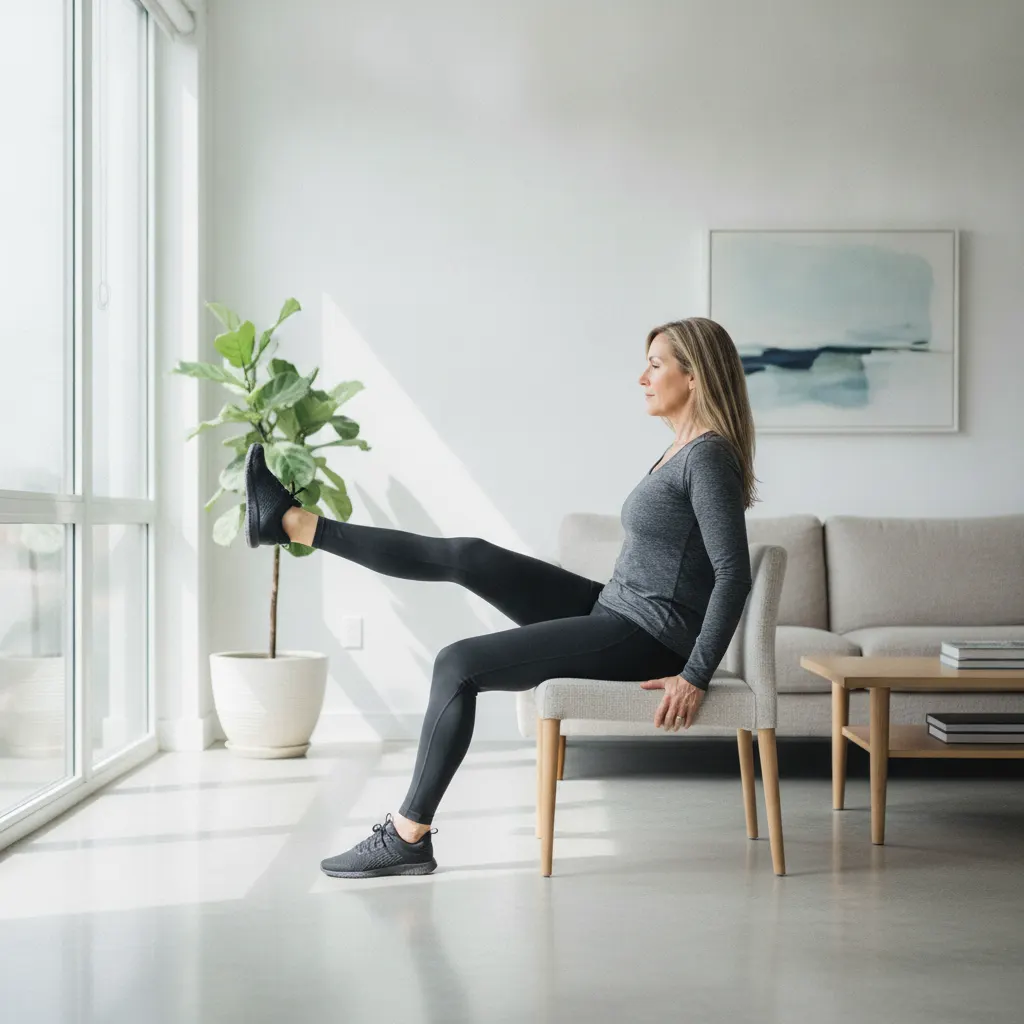
A seated knee extension strengthens the thigh muscle, supporting the knee joint and helping reduce knee pain.

Knee pain: 11 tips that really help

Two things make the greatest difference for knee pain: strengthening the thigh and hip muscles that take pressure off the joint, and reducing strain on the knee in daily life through suitable footwear and insoles, lower-impact activity, and the RICE method for an acute injury. Rest is useful for days,...

Read more...
Regular walking for osteoarthritis strengthens the muscles around the joint and may reduce pain.

Osteoarthritis: what really helps with pain and stiffness

Osteoarthritis cannot be cured, but its symptoms can be eased considerably. Three measures have the strongest evidence: regular exercise, maintaining a healthy body weight, and reducing strain on the affected joint. Home measures such as heat, cold, supports, insoles, and adaptations around the home complement these measures but do not...

Read more...
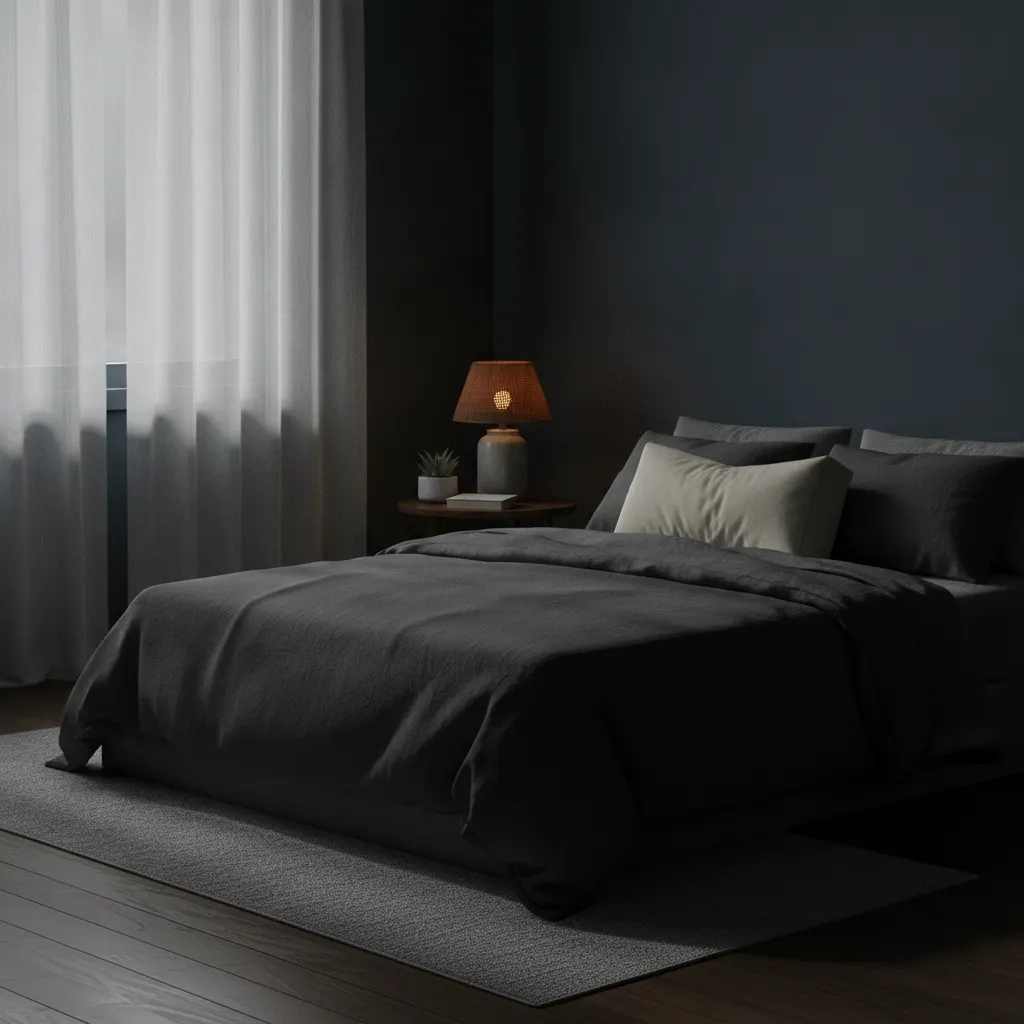
Quiet, darkened bedroom at a comfortably cool temperature for better sleep.

Tips for better sleep: what can help right away

If you cannot fall asleep, get out of bed after about 20 minutes, go to another dimly lit room, and do something calming until you feel sleepy, then return to bed. This is one of the simple, evidence-based techniques that can help when sleep will not come. Below are solutions...

Read more...

6 myths about shoe insoles: what the evidence says

Softer insoles are always better. They work immediately. A higher price means better quality. They are only for older people. They cure flat feet. These are some of the half-truths that can make it difficult to choose shoe insoles. This article examines six common myths using professional sources, including AAOS...

Read more...

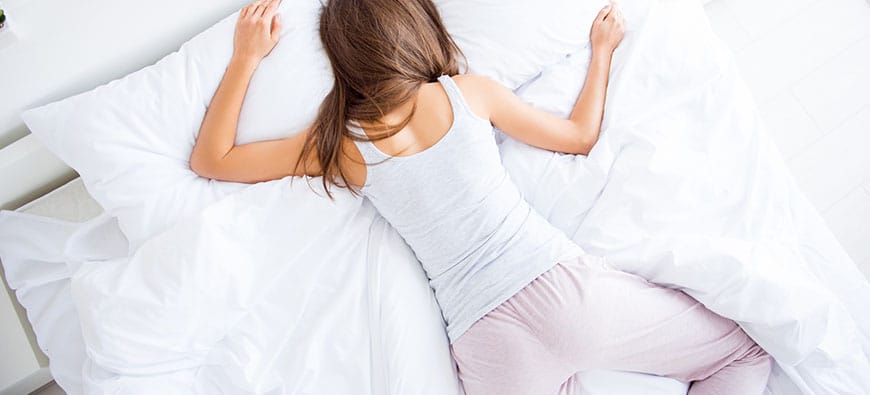
Is sleeping on your stomach bad?

Sleeping on your stomach is considered the least advisable sleep position: it keeps your neck turned at nearly a right angle through the night and strains the lumbar spine. It can reduce snoring for some people, so it is not necessarily the "wrong" position, but it helps to know how...

Read more...

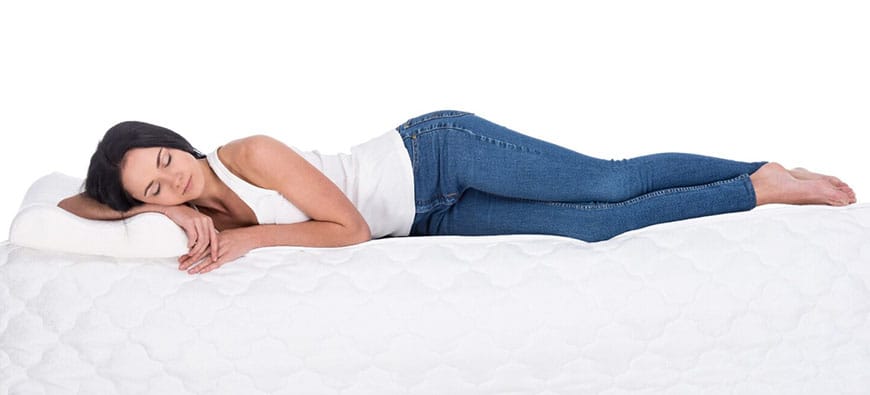
Sleeping on your side: benefits and proper posture

Sleeping on your side is considered one of the most recommended sleep positions: it takes pressure off the spine, reduces snoring, and eases nighttime heartburn for many people. It also has drawbacks, particularly pressure on the shoulder and hip, but proper placement of your pillow and a pillow between your...

Read more...
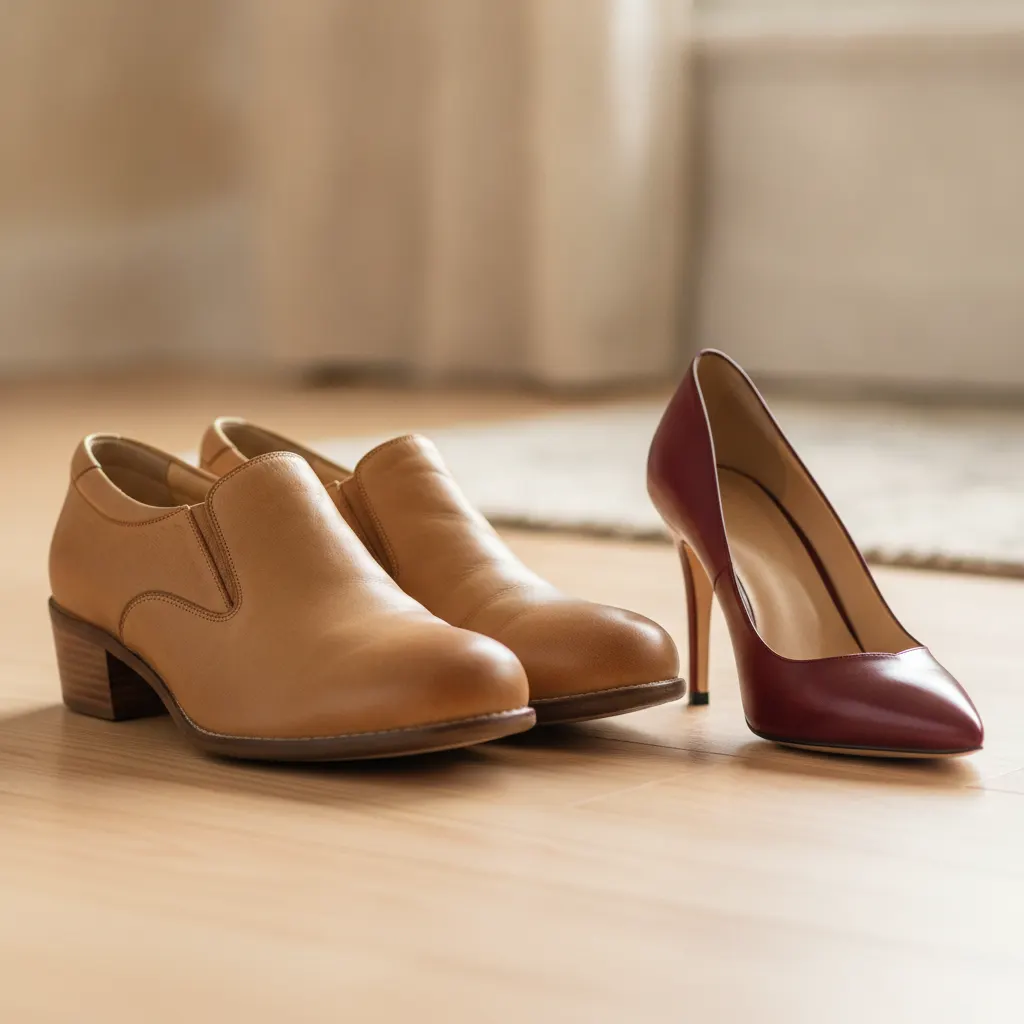
For hallux valgus, wide shoes with a rounded toe box are preferable to narrow shoes with a pointed toe.

Hallux valgus: how to relieve symptoms without surgery

Hallux valgus is a gradual change in the alignment of the big toe that creates a painful bony prominence, commonly called a bunion, on the inner side of the foot. The deformity itself cannot be corrected without surgery, but suitable footwear, splints, insoles, and exercises may help relieve pain and...

Read more...

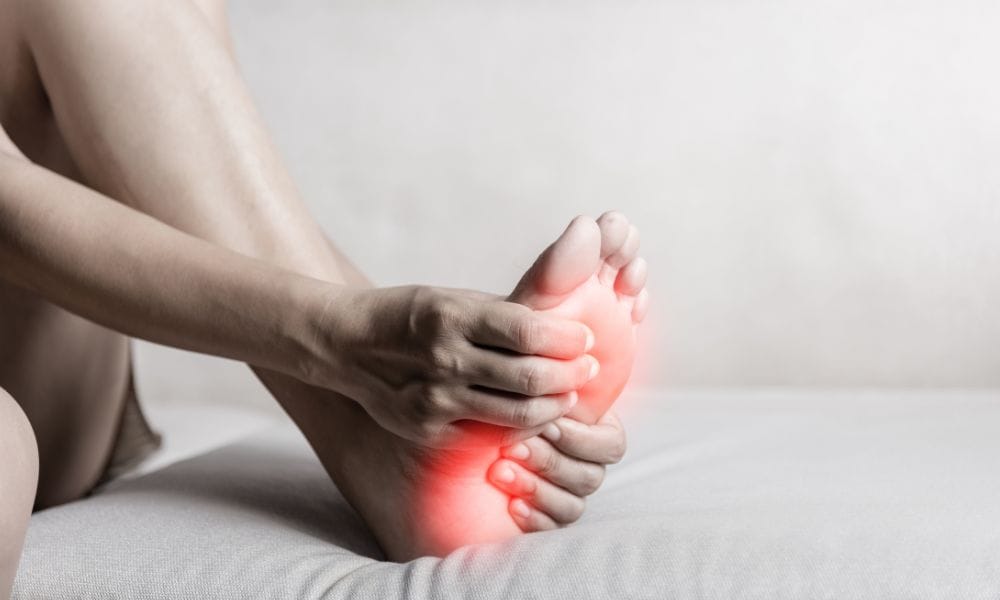
Plantar fasciitis: causes, symptoms, and treatment

Plantar fasciitis is irritation and overuse of the plantar fascia, the band of connective tissue that links the heel bone to the toes and supports the arch. It affects about 10% of people during their lifetime and is recognized by sharp heel pain with the first steps in the morning....

Read more...

Hemorrhoid treatment: what works at home and when to see a doctor

Hemorrhoid treatment usually begins at home with 25–35 g of fiber a day, enough fluid, warm sitz baths, and less pressure from prolonged sitting. A review of studies found that fiber nearly halved the risk of persistent symptoms and bleeding. Hemorrhoids are very common: screening examinations have found them in...

Read more...

Wait, your secret discount is almost unlocked

This offer is reserved for a short time only. Unlock the coupon and save today.

Continue without a discount