How to Calm Restless Legs Syndrome: Habits and Supportive Measures
Restless legs syndrome (RLS) is a neurological sensorimotor disorder that causes an urge to move the legs, usually with crawling, tingling, or pulling sensations in the evening or at night. It affects an estimated 7% of adults. Regular moderate activity, a calming evening routine, limiting evening caffeine and alcohol, and treating low iron stores when medically indicated may reduce symptoms.
This guide explains how to recognize RLS, what may aggravate it, which home measures have supporting evidence, and when to ask a doctor about blood tests.
What is restless legs syndrome?
Restless legs syndrome, also called Willis-Ekbom disease, is described by the US neurological institute NINDS as a common sleep-related movement disorder. A global analysis of studies estimates that it affects around 7% of adults and is more common in women. Four core features are:
- a strong urge to move the legs, usually with unpleasant sensations deep in the legs;
- symptoms that begin or worsen during rest, such as sitting or lying down;
- temporary relief with movement, such as walking or stretching; and
- symptoms that are worse in the evening or at night than during the day.
RLS can delay sleep, interrupt sleep, and cause daytime fatigue, substantially affecting quality of life.
Why does it occur?
RLS is associated with altered brain iron handling and dopamine pathways, although its biology is not fully understood. It often runs in families. Conditions and factors that can cause or worsen symptoms include:
- low iron stores , shown by low ferritin, even without anemia;
- pregnancy , particularly the final trimester, with symptoms often improving after delivery;
- chronic kidney disease and diabetes;
- some medicines, including certain antihistamines, antidepressants, and antipsychotics;
- caffeine, alcohol, and nicotine, particularly in the evening; and
- sleep deprivation , which can worsen symptoms and create a cycle of poor sleep.
What may help? Evidence-based measures
1. Regular moderate exercise, but not immediately before bed
In a randomized trial , a combination of aerobic and resistance exercise reduced symptom severity after 12 weeks. Moderate walking, cycling, or swimming may help, while strenuous late-evening exercise aggravates symptoms for some people. A simple starting point is a daily walk.
2. A calming evening routine
An hour before bed, try a warm bath, gentle calf massage, or stretching. NINDS lists warmth, massage, and similar comfort measures among commonly used self-care approaches, although individual responses vary.

3. Identify and reduce triggers
If caffeine affects your symptoms, try avoiding coffee, caffeinated tea, and energy drinks after 2 p.m. Limit evening alcohol and nicotine. Review your medicines with a doctor or pharmacist rather than stopping them yourself; sedating over-the-counter antihistamines can aggravate RLS in some people.
4. Support healthy sleep
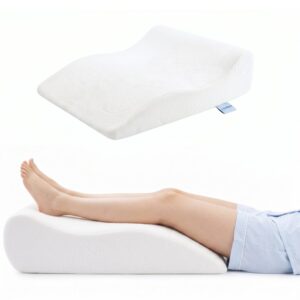
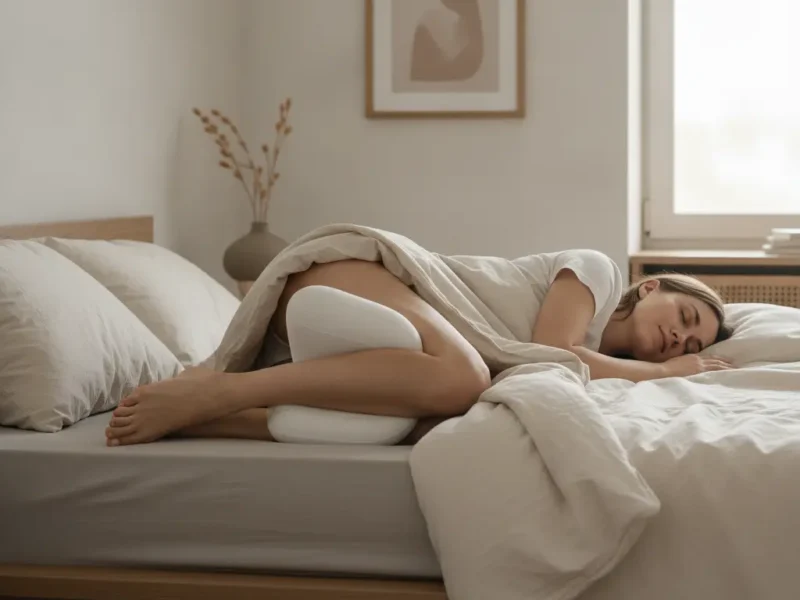
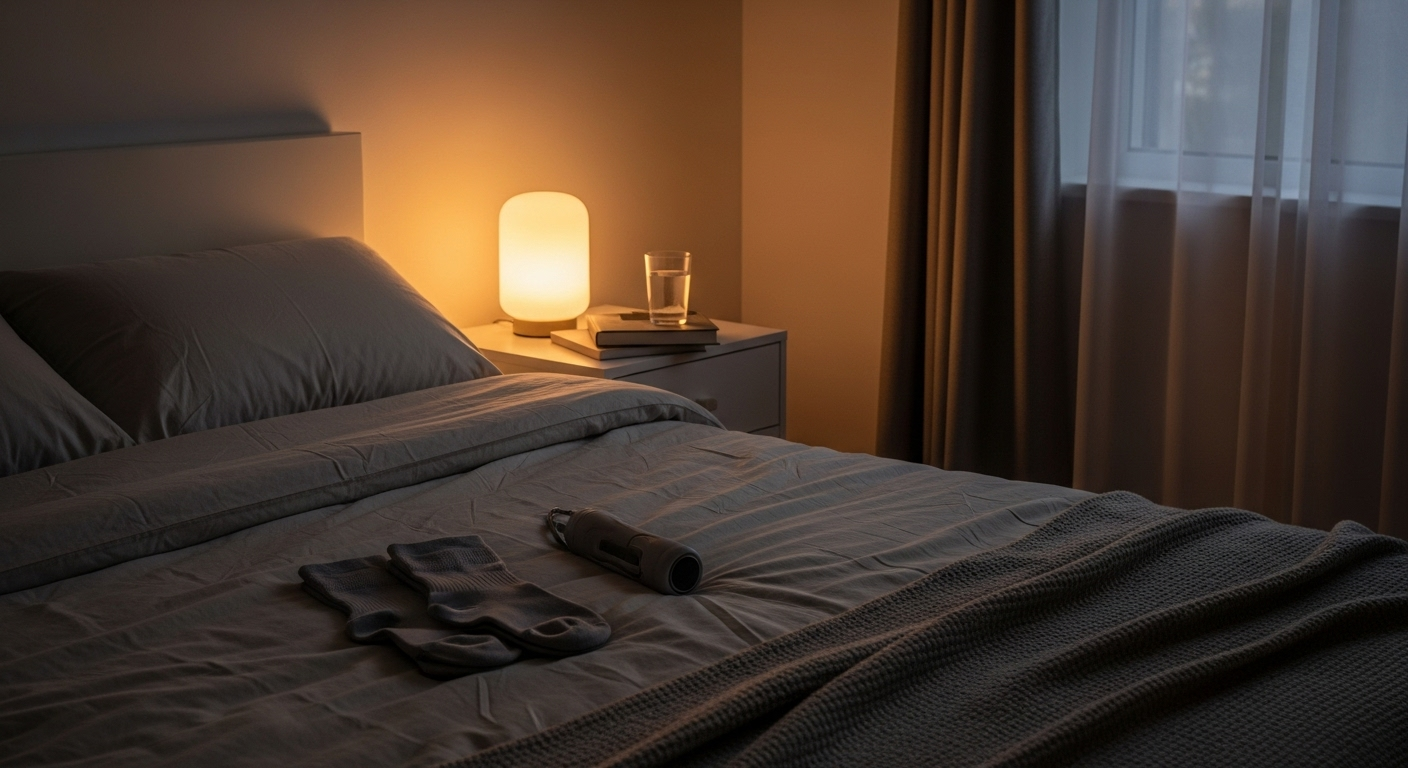
A regular schedule, a cool dark bedroom, and avoiding screens during the final hour may help reduce the cycle of poor sleep and worse symptoms. Practical steps are available in Sleep Hygiene in 8 Steps and 17 Tips for Better Sleep. Some people find a gently supported leg position comfortable, although positioning aids do not treat the neurological cause of RLS. The lower legs can rest on a Medical leg pillow.
When should you see a doctor, and what can you expect?
See a doctor if symptoms regularly disrupt sleep or occur several times a week. Blood tests may include ferritin and transferrin saturation. Under IRLSSG international guidance , iron treatment may be considered when ferritin is below 75 µg/L, before anemia develops, but the route and dose depend on the full iron profile and medical assessment. Prescription options include gabapentinoids and, in selected cases, dopamine agonists; benefits, adverse effects, and the risk of symptom augmentation require clinical monitoring. Pregnant people should discuss symptoms and treatment with their maternity clinician.
Frequently asked questions about restless legs syndrome
How can I distinguish restless legs from nighttime cramps?
A cramp is a sudden, painful muscle contraction. RLS is usually an uncomfortable urge to move rather than a hard, painful knot, and movement provides temporary relief. Cramps often wake a person from sleep, while RLS commonly begins during quiet wakefulness in the evening.
Does magnesium help?
Evidence for magnesium in RLS is insufficient because studies are small and inconsistent. If deficiency is a concern, discuss diet or testing with a clinician. Checking iron status has stronger support, but iron should not be started without medical advice.
Does restless legs syndrome go away on its own?
Symptoms related to a temporary cause, such as pregnancy or iron deficiency, may improve when that cause resolves or is treated. Primary or familial RLS is often long term and fluctuating, but many people can reduce its impact with suitable habits and, when needed, prescribed treatment.
Are restless legs related to varicose veins?
They are separate conditions, although symptoms may overlap in the evening or at rest. If you also have enlarged veins, swelling, or heavy legs, read our guide to varicose veins and mention the symptoms to your doctor.
This content is informational and does not replace medical advice. Do not start iron supplements on your own; testing and treatment should be directed by a clinician.
From our store