A 5-Minute Calming Breathing Practice for Bedtime
Do the demands of daily life leave your shoulders tense, your thoughts racing, and sleep difficult? Slow, deliberate breathing is a simple practice you can use almost anywhere. It may reduce feelings of tension and help you settle before bed, although it does not guarantee that you will fall asleep within a set time.
Why can breathing affect relaxation?
Breathing and the autonomic nervous system influence each other. This system includes sympathetic and parasympathetic activity. During stress, breathing may become faster and shallower, heart rate may rise, and muscles may tense as part of the fight-or-flight response. This response is useful when danger is present but can feel uncomfortable when it persists.
Slow, comfortable breathing can encourage a shift toward parasympathetic, or rest-and-digest, activity. It may slow the heart rate and reduce feelings of arousal. The response varies from person to person, and breathing should never feel forced.
Which breathing exercises can help with relaxation?
Several techniques are easy to try. Evidence suggests that paced breathing may reduce perceived stress and improve some measures of sleep, but study methods and results vary, and no reliable percentage applies to everyone. Choose a technique that feels comfortable in the moment.
Diaphragmatic breathing: a foundation for calming down
Diaphragmatic breathing encourages the diaphragm to move while the upper chest remains relatively quiet. It can provide a clear rhythm and a physical point of focus, which some people find calming.
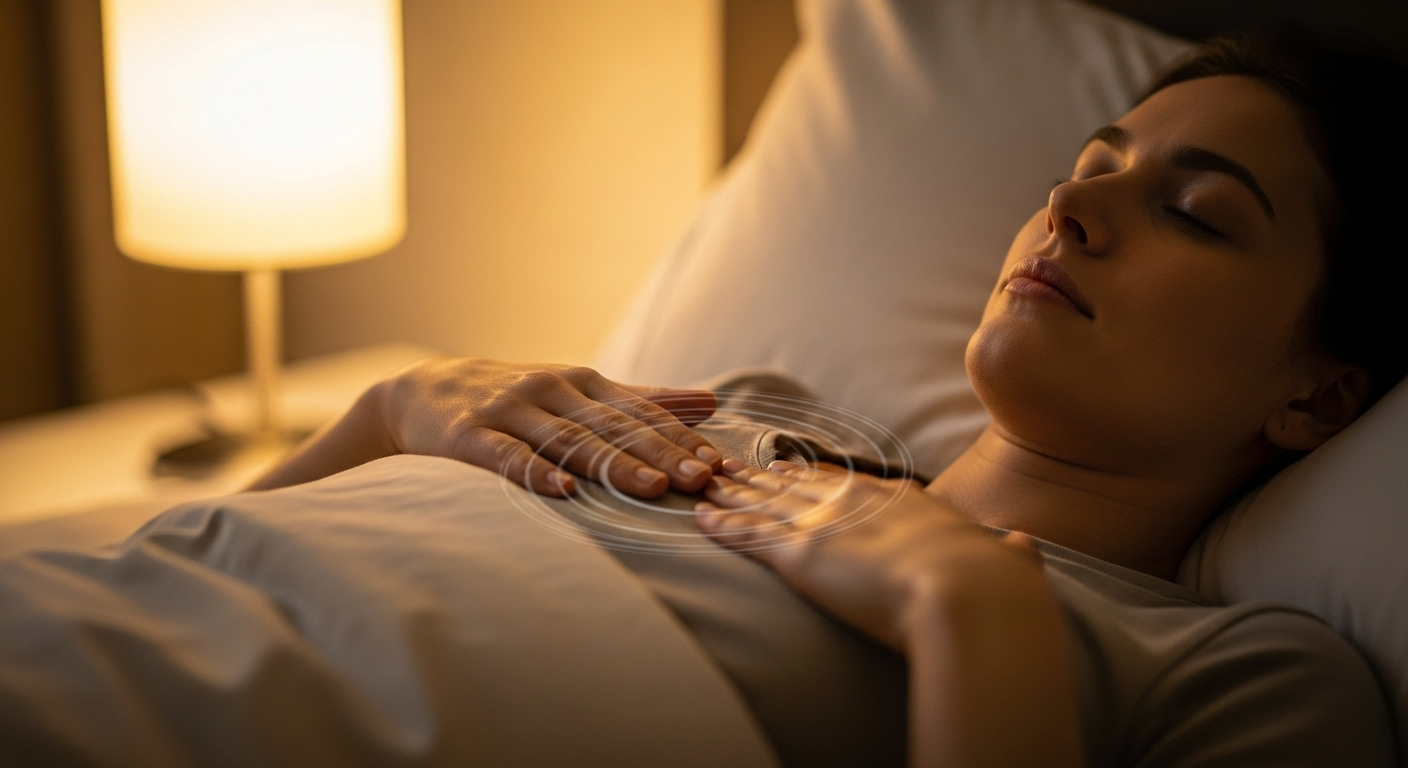
How to practice diaphragmatic breathing for relaxation:
- Sit or lie in a comfortable position.
- Place one hand on your chest and the other on your abdomen, just below your ribs.
- Breathe in slowly through your nose and let the hand on your abdomen rise while the hand on your chest remains as still as is comfortable.
- Breathe out slowly through gently pursed lips and feel your abdomen fall.
- Practice for 5 to 10 minutes a day if it remains comfortable. A shorter session is also worthwhile.
The 4-7-8 technique: a paced breathing exercise for bedtime
If you are looking for breathing exercises for relaxation before bed, you might try the 4-7-8 technique popularized by Dr. Andrew Weil. Its counting pattern can focus attention and slow the pace of breathing, but it is not a sedative and does not guarantee sleep.
How to practice the 4-7-8 technique:
- Sit or lie comfortably. Rest the tip of your tongue behind your upper front teeth.
- Breathe out fully through your mouth, making a soft sound.
- Close your mouth and breathe in quietly through your nose for a count of 4.
- Hold your breath for a count of 7, or shorten the hold if it feels uncomfortable.
- Breathe out fully through your mouth with a soft sound for a count of 8.
- This is one cycle. Repeat it three more times for a total of four cycles. Stop if you feel dizzy or short of breath.
Simple breathing exercises for moments of stress
Square breathing, also known as box breathing, uses equal counts for inhaling, holding, exhaling, and holding again. Some people use it to steady attention during stressful situations.
How to practice box breathing:
- Breathe in slowly through your nose for a count of 4.
- Hold your breath for 4 seconds.
- Breathe out slowly through your nose for a count of 4, then pause for the same count if comfortable.
- Hold your breath for 4 seconds.
- Repeat the cycle 5–10 times, or stop sooner if you feel lightheaded.
Breathing exercises for anxiety: using attention and rhythm
Anxiety can involve rapid breathing and a sense of losing control. Deliberately slowing the breath may help interrupt this pattern, while attention to the physical sensation of breathing can anchor you in the present moment. Practicing up to three times a day may help some people, but breathing exercises complement rather than replace treatment for an anxiety disorder.
How can you make calming breathing part of your day?
Breathing exercises are widely accessible. Breathing exercises for relaxation at home, at the office, or while waiting can be easy to practice. Start with a few minutes a day and increase gradually if it feels helpful. A phone reminder or an existing routine, such as waking up or preparing for bed, can serve as a cue.
Here is a quick comparison of common techniques:
| Breathing technique | When to use it | Potential benefit |
|---|---|---|
| Diaphragmatic breathing | Daily relaxation or a break during work | May reduce tension and support concentration |
| 4-7-8 technique | Before bed or during mild anxiety | Provides a slow rhythm and a focus for attention |
| Box breathing | Before a stressful event; use caution if breath holding increases panic symptoms | May support calm and concentration |
| Alternate-nostril breathing | In the morning or before meditation | Provides a structured focus for breathing |
Create a comfortable setting for rest
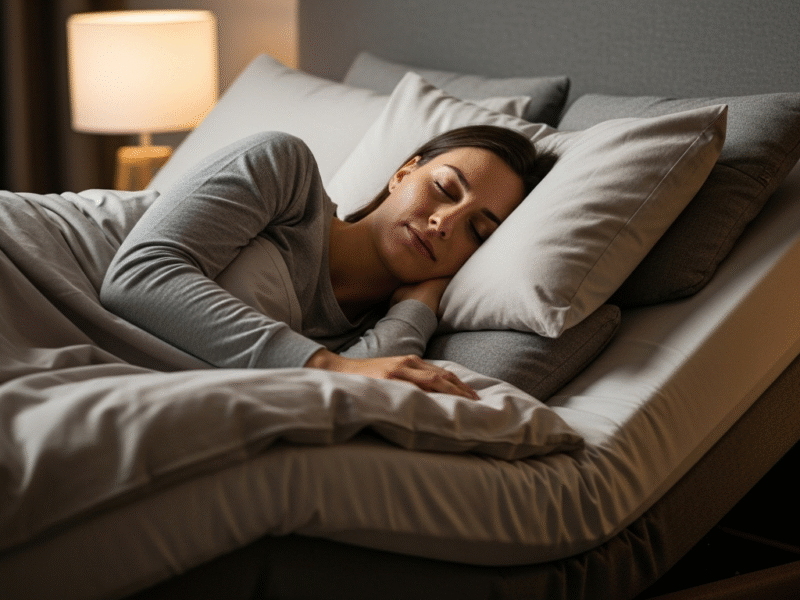
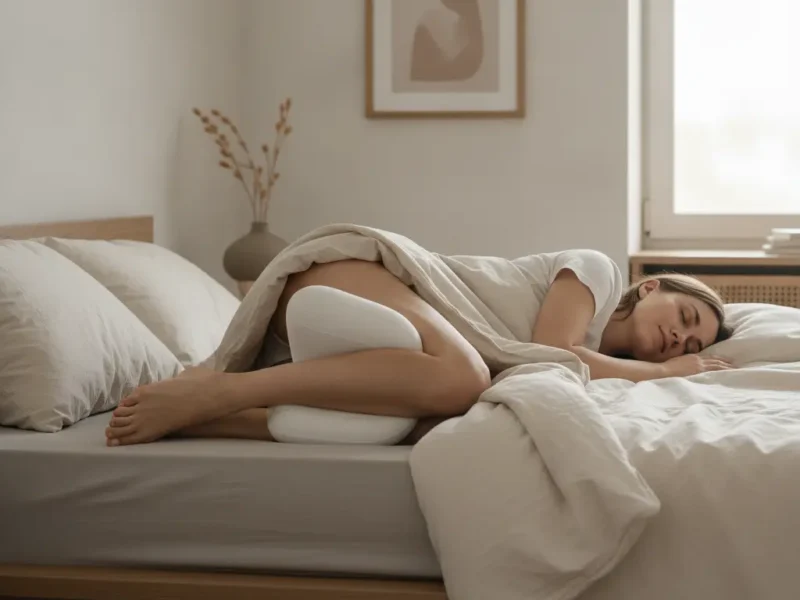
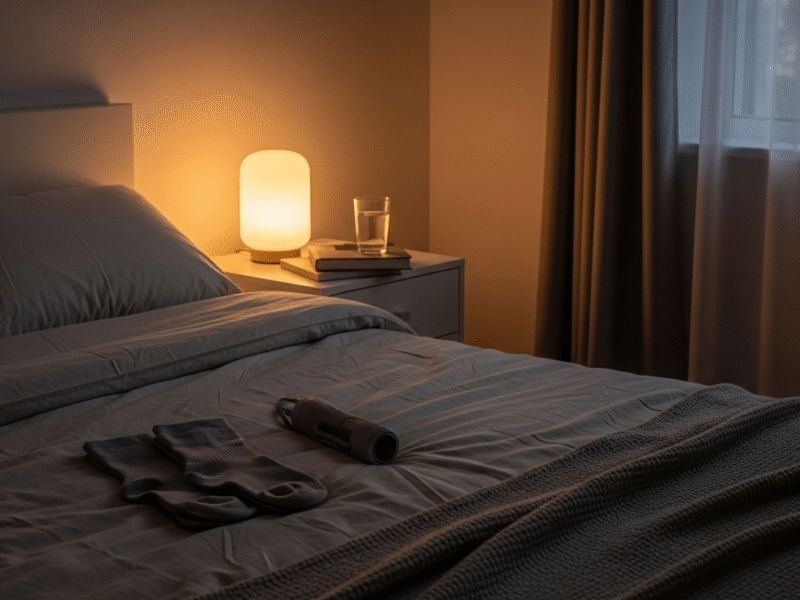
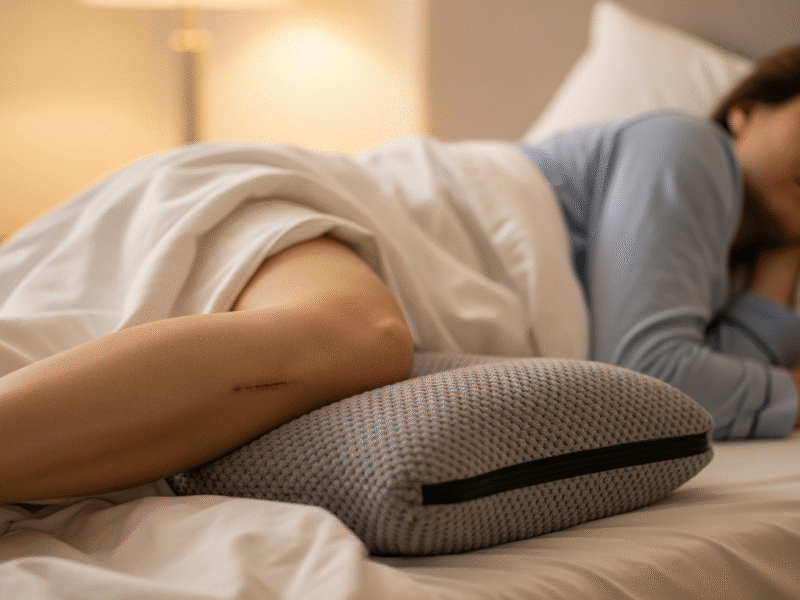
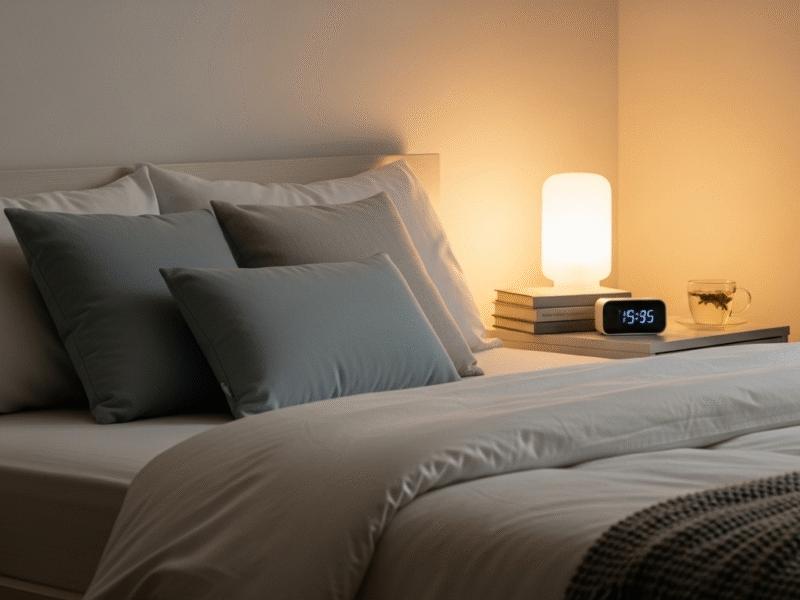
A quiet, comfortable environment can make a breathing practice easier, especially before bed. Neck or back discomfort can make it harder to settle, so consider a supported sleep position that feels comfortable for your body.
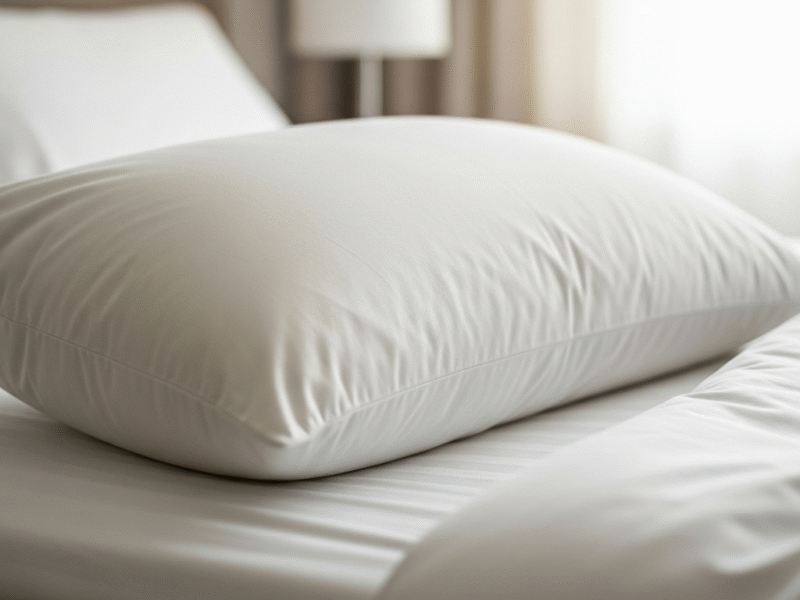
Comfortable head and neck support may help reduce strain. Anatomical pillow – Memory has a contoured shape intended to support the head and neck. Pillow comfort and fit depend on sleep position and individual anatomy, and the pillow does not make breathing exercises more effective by itself.
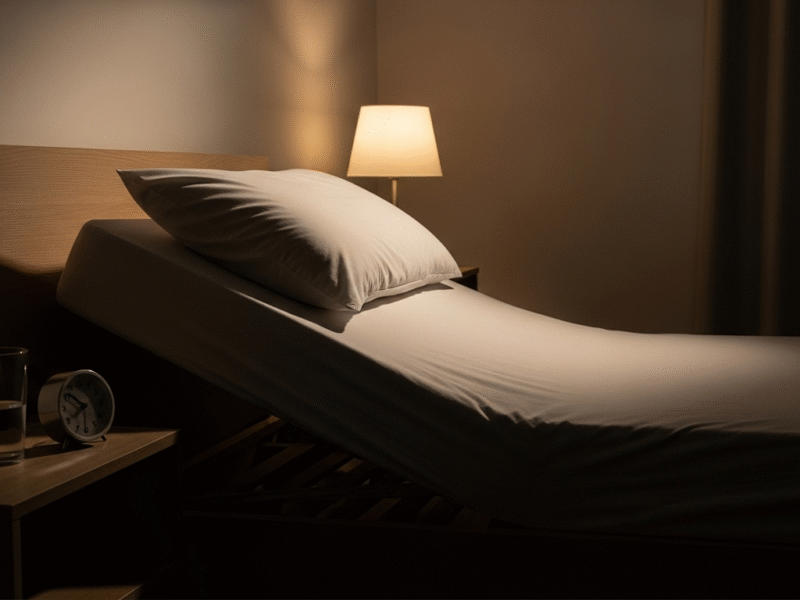
If heartburn or reflux interrupts your sleep, elevating the upper body may help reduce nighttime symptoms for some people. Wedge pillow – ComfortLift provides an incline that can help use gravity to reduce reflux while you are lying down. It is not a treatment for breathing disorders. For more ideas on improving sleep, read 17 Tips for Better Sleep.
Stress can also occur alongside physical pain. Learn more about this connection in Why Does Stress Make Your Muscles Hurt? The Science and Practical Steps.
Frequently asked questions
How quickly can I expect results?
You may feel calmer after a few minutes, or you may notice little immediate change. Longer-term effects on anxiety or sleep require regular practice and vary among individuals. Some studies assess changes after several weeks or months, but there is no guaranteed timeline.
Can I do breathing exercises if I have a health condition?
Gentle breathing exercises are generally well tolerated. Ask a doctor or therapist for advice if you have a respiratory or heart condition, an anxiety disorder, a history of fainting, or symptoms that worsen with breath holding.
Are there any side effects?
Some people feel mildly dizzy, especially with deep breathing or breath holds. Stop, return to normal breathing, and sit or lie safely if this occurs. Seek medical advice if dizziness persists or is severe.
Conclusion
Breathing exercises require no special equipment and can offer a brief, structured way to slow down and focus attention. With regular practice, they may help reduce perceived stress or support a bedtime routine. Start gently, keep the breath comfortable, and treat persistent anxiety or insomnia with appropriate professional care.
For more information about how breathing affects the body, see resources from Harvard Medical School.
From our store