Sleeping on your side: benefits and proper posture
Sleeping on your side is considered one of the most recommended sleep positions: it takes pressure off the spine, reduces snoring, and eases nighttime heartburn for many people. It also has drawbacks, particularly pressure on the shoulder and hip, but proper placement of your pillow and a pillow between your knees can address most of them.
Why is side sleeping considered one of the best positions?
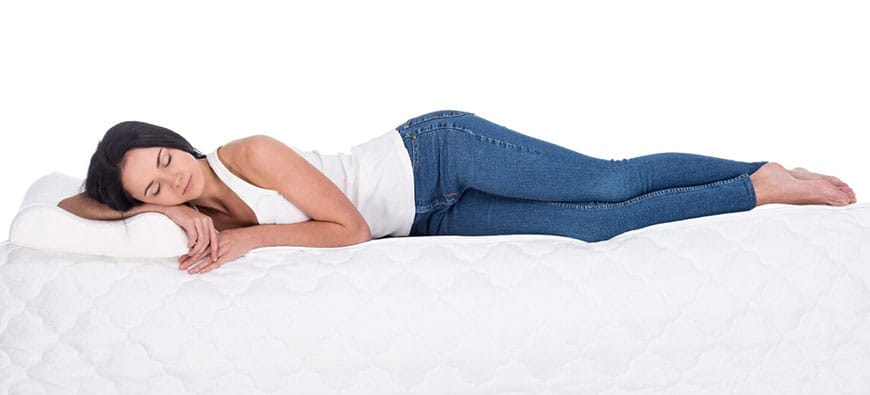
Sleeping on your side in a neutral, aligned position takes pressure off the spine, can help with snoring and obstructive sleep apnea, and reduces nighttime heartburn for many people. Pregnant women are also advised not to sleep on their backs after the second trimester. These are the main reasons doctors often recommend side sleeping as the default position.
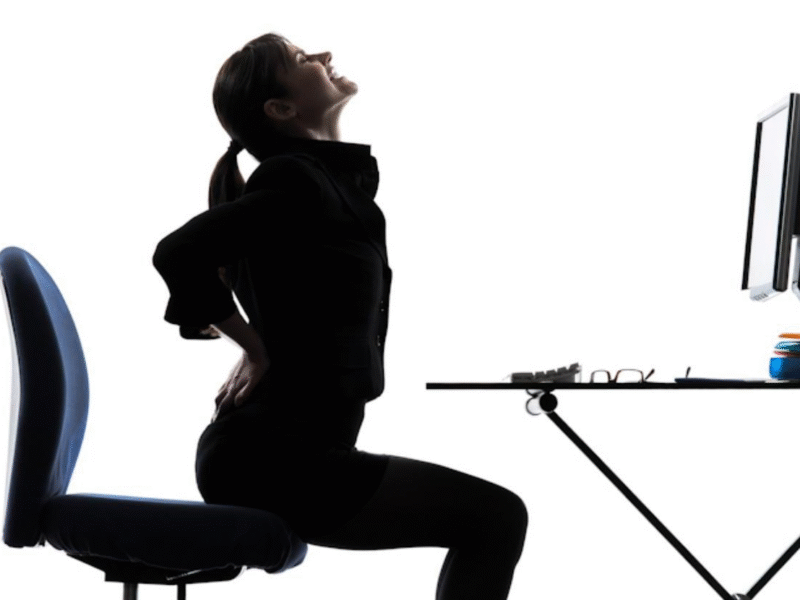
- Less strain on the spine : in a symmetrical side-lying position, it is easier to keep the spine straight than when sleeping on your stomach, which matters for chronic lower-back or neck pain.
- Less snoring and easier breathing : when you lie on your back, the tongue and soft palate can fall more easily toward the throat and narrow the airway. A study of positional therapy reports that people with obstructive sleep apnea experience at least twice as many breathing interruptions on their backs as on their sides.
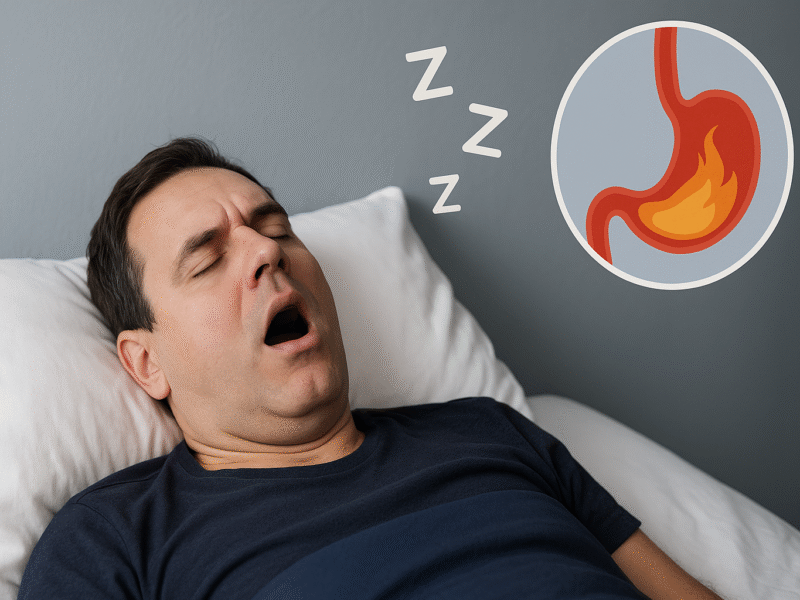
- Less nighttime heartburn : when you lie on your left side, the esophagus is above the stomach acid, allowing the acid to drain back into the stomach more quickly (see below).
- Recommended during pregnancy : after 28 weeks of pregnancy, sleeping on your back increases the risk of certain complications compared with sleeping on your side, so the UK’s NHS advises against it.
Left or right side: does it really matter?
For heartburn and reflux, there is a difference: the available evidence favors the left side. During pregnancy, avoiding lying on your back matters more, and there is no clear difference between the left and right sides.
| Condition | What the available evidence shows |
|---|---|
| Heartburn / reflux (GERD) | The left side shortens the time acid remains in the esophagus to about 35 seconds, compared with 76 seconds on the back and 90 seconds on the right side (Schuitenmaker et al., 2022). |
| Pregnancy | The left side has not been shown to be better than the right; the key is to avoid sleeping on your back after 28 weeks (NHS). |
| Snoring / apnea | Either side is better than sleeping on your back; the choice between the two sides is not clinically important. |
If lying on your left side bothers you, for example because you feel pressure near your heart, there is no reason for concern. For most people this is a matter of subjective comfort rather than a health risk. If you have been diagnosed with sleep apnea, read our separate article about sleep apnea and elevating the upper body.
What are the drawbacks of sleeping on your side?
The main drawback of side sleeping is pressure on the shoulder and hip, which bear most of the body’s weight. Without a suitable pillow and a pillow between the knees, this can lead to shoulder pain in the morning. It is also the most common reason people stop sleeping on their side. If you regularly wake with shoulder pain, read our detailed article about shoulder pain at night.
It is also often claimed that sleeping on your side accelerates facial wrinkles because the face presses against the pillow. A study of 100 women did not confirm this link: there was no statistically significant difference between sleeping side and the development of wrinkles or facial sagging. This therefore appears to be a widespread belief rather than an established fact.
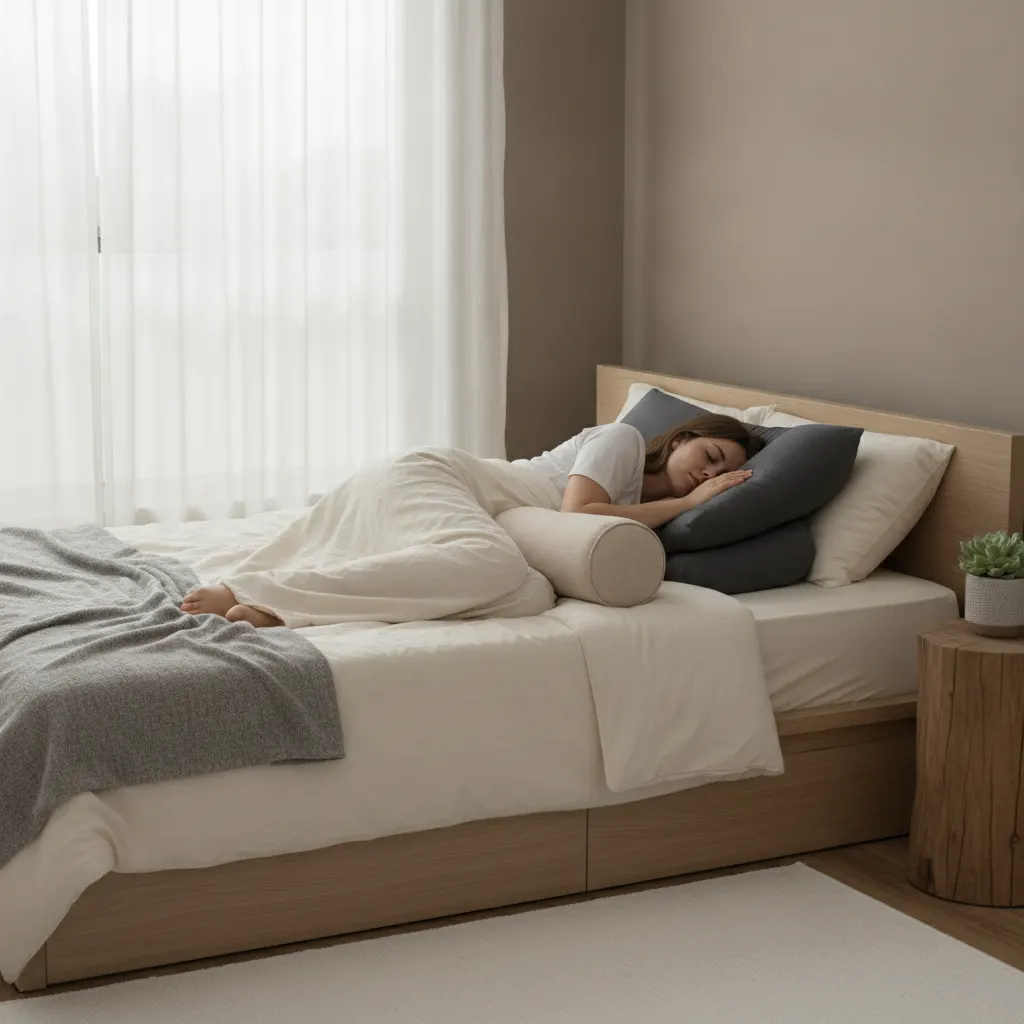
How should you sleep on your side?
Correctly positioning your head pillow and a pillow between your knees addresses most of the drawbacks of side sleeping. The aim is simple: keep your head, neck, and spine in a straight line, with your chin in a neutral position.
- Your pillow should fill the space between your ear and shoulder. Because your shoulder sinks into the mattress when you lie on your side, you need a higher, firmer pillow than when sleeping on your back. If the pillow is too low, your head drops downward and strains your neck. Memory foam pillow keeps its shape throughout the night and does not collapse like an ordinary pillow.
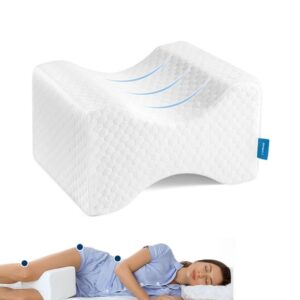
- Place a pillow between your knees. This prevents the top leg from pulling the pelvis forward and twisting the lower spine, a common cause of lower-back and hip pain in the morning. For this purpose, the ErgoPlus knee pillow is more stable than an ordinary pillow that can slip away during the night.
- Keep your arms in front of your body, not under the pillow. Placing your arm under your head compresses the shoulder joint and restricts circulation, which can cause tingling during the day.
- Choose a medium-firm mattress. A mattress that is too soft does not support the hips and shoulders, while one that is too firm creates excessive pressure on the same points. Something in between generally works best.
For general guidance on choosing the right pillow for your sleep position, body weight, and preferred material, read our pillow selection guide. See the full range in our pillow category.
Sleeping on your stomach places the most strain on the spine, so avoid it if possible. You can read about the reasons and exceptions in our article is sleeping on your stomach bad.
When to see a doctor
This article is for information only and does not replace medical advice. If shoulder, lower-back, or neck pain does not resolve within a few weeks despite proper posture and a suitable pillow, wakes you from sleep, spreads down your arm, or is accompanied by numbness, tingling, or swelling, consult a doctor. The same applies if you suspect sleep apnea (loud snoring, pauses in breathing, daytime fatigue), which requires professional diagnosis.
Frequently asked questions
Which side is better for sleeping, left or right?
There is no significant difference for general health. For heartburn and reflux, the available evidence supports the left side because it shortens the time acid remains in the esophagus.
Why does my shoulder hurt after sleeping on my side?
The most common reasons are a pillow that is too low or too soft to fill the space between your ear and shoulder, and placing your arm under your head.
How high should a pillow be for side sleeping?
It should be high and firm enough to keep your head in line with your spine. In practice, this means a higher and firmer pillow than you would choose for sleeping on your back.
Does sleeping on your side really cause facial wrinkles?
The study did not confirm this: it found no statistically significant association between sleeping side and facial wrinkles.
Do I have to lie on the same side all night?
No. It is normal to change positions while you sleep; the main consideration is to minimize the time spent on your back or stomach.
From our store
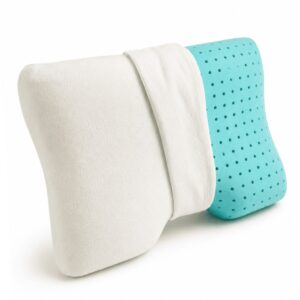
MEMORY Contoured Pillow