The Effects of Prolonged Sitting and What Actually Helps
Prolonged sitting can affect spinal comfort, metabolism and circulation, and is associated with higher mortality. In a large analysis, 60–75 minutes of moderate physical activity a day was associated with offsetting the increased mortality risk linked to sitting for more than eight hours. These population-level findings do not guarantee an individual outcome. Regular movement breaks and sufficient daily activity remain important.
This guide explains what sitting actually does to the body, how to recognize early warning signs, and which evidence-backed measures can help at work and at home.
Why is prolonged sitting harmful?
In a harmonized meta-analysis published in The Lancet (2016), researchers combined data from more than one million people (1,005,791 participants followed for 2 to 18 years). Mortality was up to 59% higher among the least active people who sat for more than eight hours a day than among the most active people who sat for less than four hours. There was also an encouraging finding: among people who did 60–75 minutes of moderate activity a day, the increased risk associated with sitting was offset.
What happens in the body
- Spine: we often hear that sitting puts more pressure on the spinal discs than standing, but more recent in vivo measurements do not confirm this. Measured pressure during relaxed sitting is similar to or even slightly lower than during standing, while slouching increases it substantially. The problem is therefore less about sitting itself than about slouching and going for hours without moving. Possible consequences include lower back pain, tight hip flexors, and weakened abdominal and gluteal muscles.
- Circulation: when the calf muscles remain inactive, they do not help pump venous blood toward the heart. Blood can pool, causing the legs to swell and feel heavy.
- Metabolism: muscles use little energy while you sit, which over time can contribute to reduced insulin sensitivity and fat accumulation.
- Neck and shoulders: leaning your head toward a screen can substantially increase the load on the cervical spine.
How can you tell if you sit too much?
The first signs are rarely dramatic, which is exactly why we overlook them:
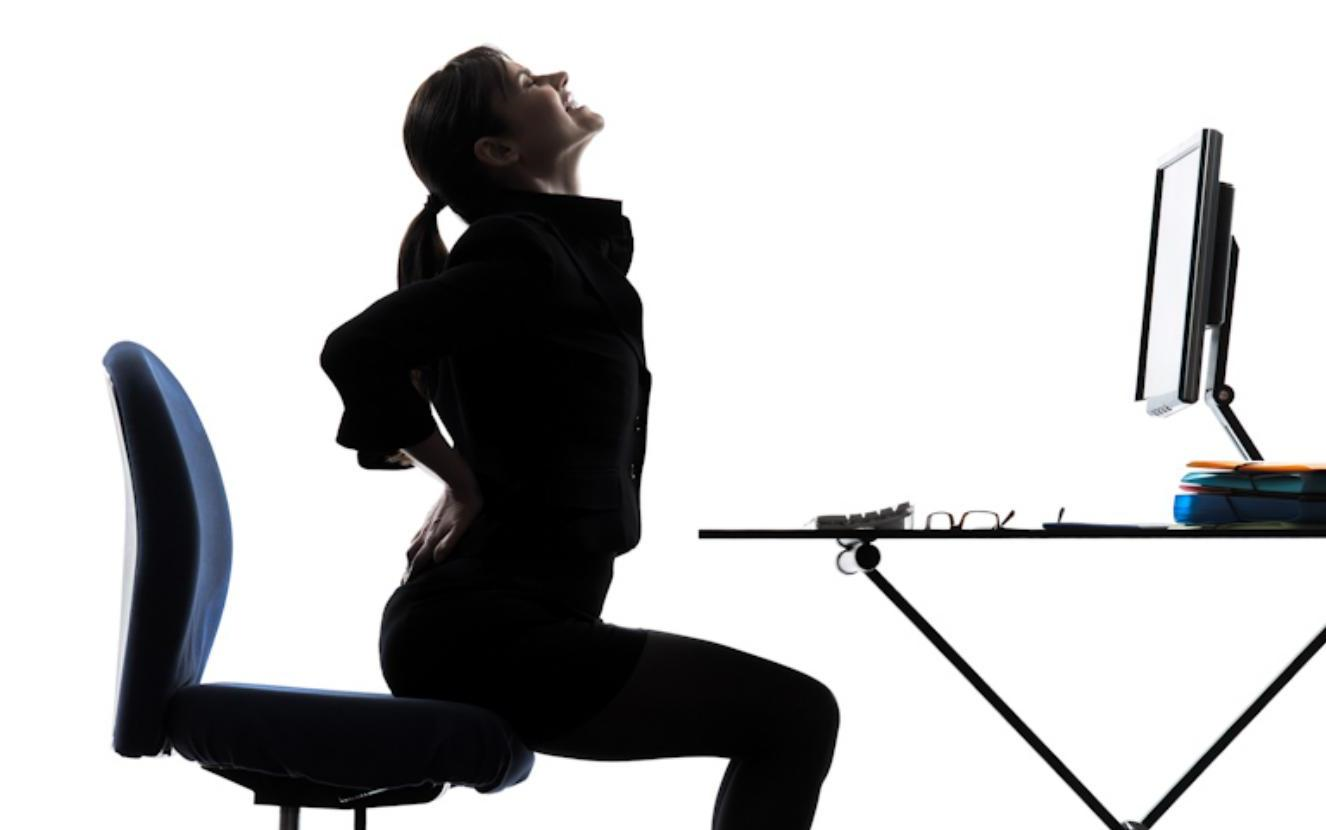
- stiffness and pain in the lower back or between the shoulder blades toward the end of the workday,
- swollen ankles and a feeling of heaviness in the legs in the evening,
- tight shoulders and a headache that starts at the back of the head,
- pain when getting up from a chair that eases after a few steps,
- a drop in energy and concentration in the middle of the day.
What helps: evidence-backed measures
1. Accumulate 60–75 minutes of movement a day
You do not have to do it all at once. Walking to work, taking a walk during your lunch break, using the stairs instead of the elevator, and going for an evening walk all add up. We explain why walking is such an underrated tool in the article 10 Reasons Walking Is Good for You.
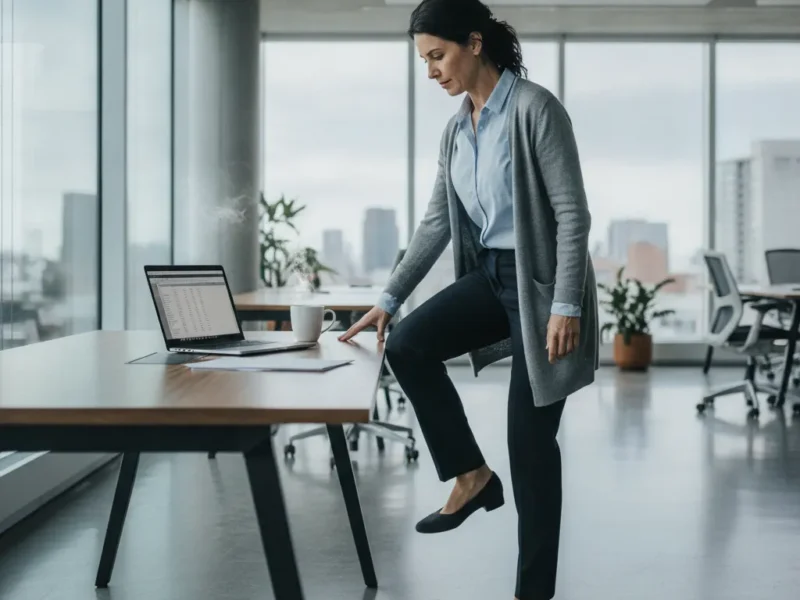
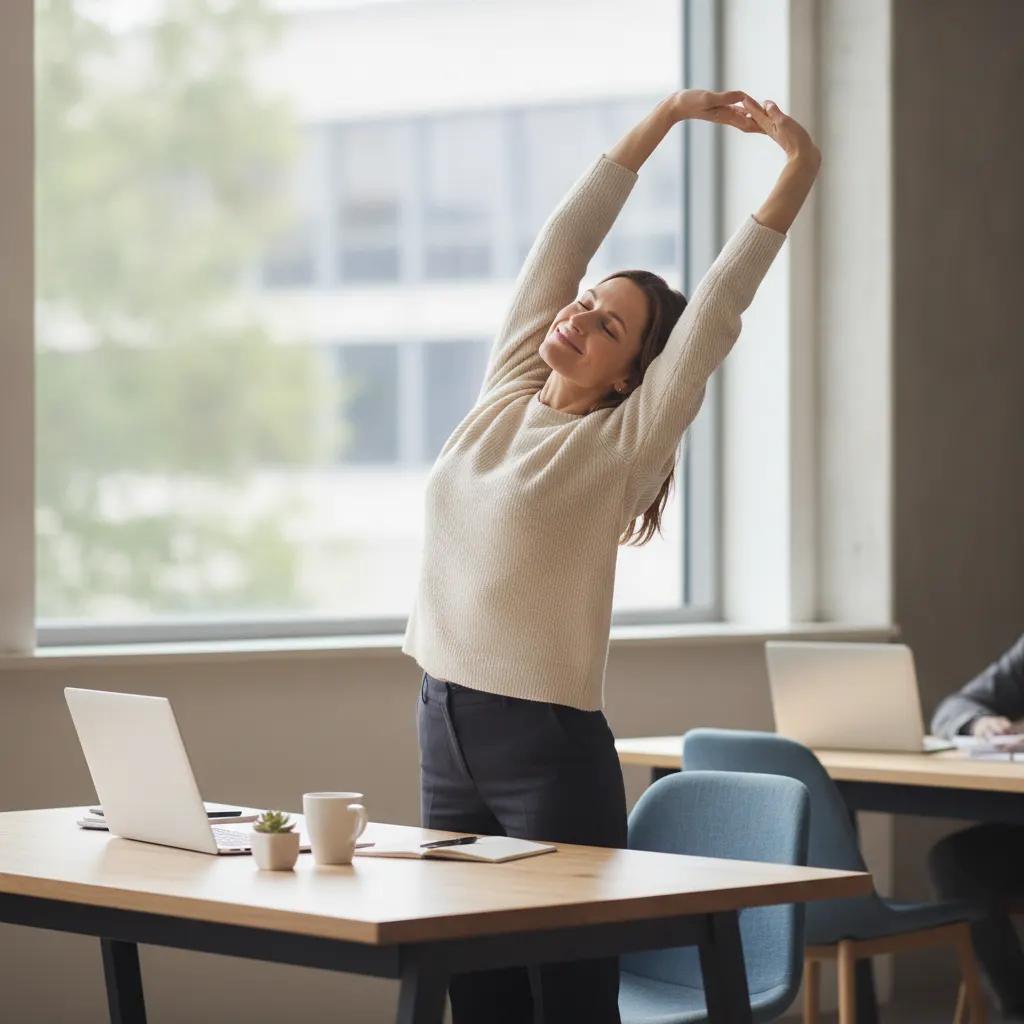
2. Break up sitting every 30–45 minutes
Stand up, take a few steps, and roll your shoulders. Take phone calls while standing or walking, place the printer away from your desk, and walk over to speak with a colleague when practical. You can find a set of exercises for your break in the article 5 Stretches After Every Hour of Sitting.
3. Set up your workspace
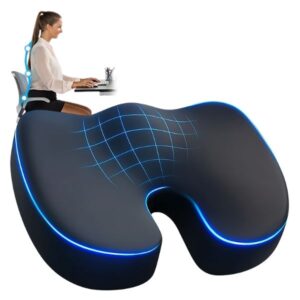
Position the top of the screen at eye level, keep your elbows close to your body at a right angle, place your feet flat on the floor, and support your lower back. A memory foam cushion can soften a hard seat, such as the ComfortLux seat cushion, while the Lumbaris back support cushion can add support for the lower back. Our guide describes the full setup step by step: Ergonomics for Your Home Office.
4. Change positions
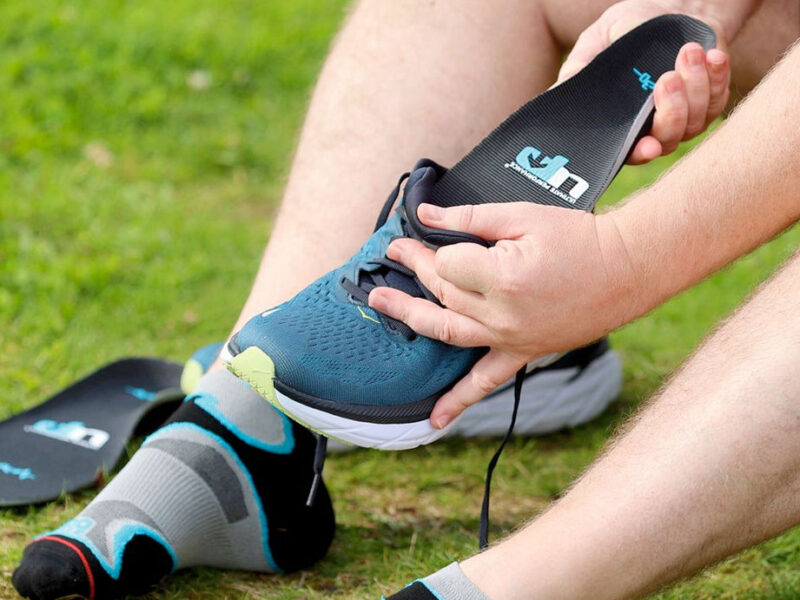
Your best posture is your next posture. If you have a sit-stand desk, alternate between sitting and standing, for example, 40 minutes sitting and 20 minutes standing. If you do not have one, do part of your work while standing at a counter. When you work standing up, remember your feet. Arch support can be added with shoe insoles, which can be especially useful in jobs where you stand all day.
5. Sit less at home
Eight hours of sitting at work is often followed by an evening in front of a screen. In The Lancet analysis, TV viewing was the risk factor least likely to be offset by physical activity. Stand up between episodes, stay on your feet while doing household tasks, and make an evening walk part of your routine. You can find more ideas in the article 10 Ways to Move More.
Frequently asked questions about prolonged sitting
Is sitting really “the new smoking”?
No. The comparison is exaggerated. The risk associated with sitting is substantially lower than the risk from smoking and, unlike smoking, can be offset by enough movement. According to The Lancet analysis, 60–75 minutes of moderate activity a day was sufficient to offset the association.
How many hours of sitting a day is acceptable?
There is no single threshold. In studies, risk increases noticeably above eight hours a day among otherwise inactive people. How often you interrupt sitting and how much you move during your free time may matter more than the total alone.
Does an hour of exercise in the evening offset a full day of sitting?
For mortality risk, it largely did in The Lancet analysis. It does not address every musculoskeletal effect, however. Your spine, neck, and legs also benefit from regular short breaks during the workday.
Is a sit-stand desk necessary?
No, but it can be convenient. You can get similar benefits by standing up regularly, walking during calls, and taking short breaks. If you choose one, alternate positions, as standing for hours on hard floors can also cause problems.
This content is for informational purposes and is not a substitute for consultation with a doctor. Speak with a doctor or physical therapist if you have persistent back pain.
From our store