Knee pain: 11 tips that really help
Two things make the greatest difference for knee pain: strengthening the thigh and hip muscles that take pressure off the joint, and reducing strain on the knee in daily life through suitable footwear and insoles, lower-impact activity, and the RICE method for an acute injury. Rest is useful for days, not weeks: staying inactive for too long weakens the muscles and can worsen the pain.
Below are 11 practical steps you can take at home, along with signs that it is time to see a doctor.
Why does the knee hurt?
The knee is the largest joint in the body and bears several times your body weight with every step. Pain most often comes from:
- overuse (runner’s knee, pain around the kneecap, typically when climbing stairs or sitting for a long time),
- injury to a ligament or meniscus,
- cartilage wear – osteoarthritis, which, according to the World Health Organization, most often affects the knee (365 million people),
- bottom-up biomechanics: excessive foot pronation rotates the shin inward and places the knee under strain at an unfavorable angle.
11 tips for relieving knee pain
1. Do not rest for too long
Taking pressure off the knee for a few days after a flare-up makes sense, but sitting for weeks does not: the muscles weaken and the knee comes under even more strain. The aim is to return to safe movement as soon as possible.
2. Strengthen your thigh muscles
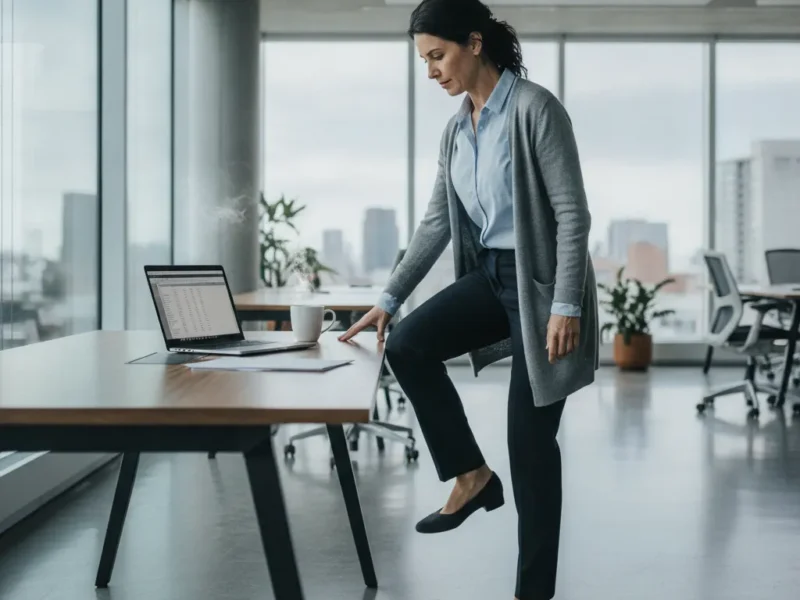
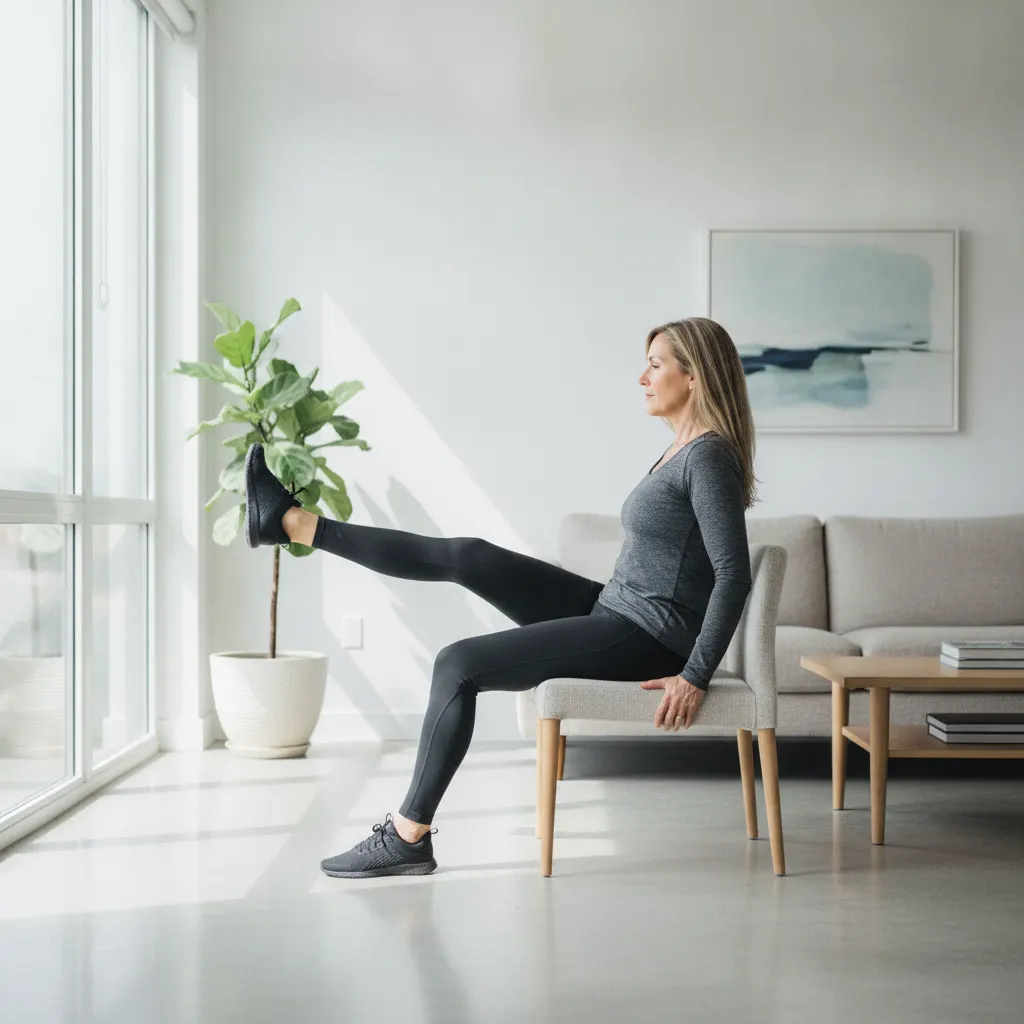
Strong quadriceps provide the knee with its best support. Start with seated knee extensions (3×10 per leg), wall squats to 45°, and straight-leg raises while lying down. Exercise 3× a week, without sudden movements.
3. Remember your hips and glutes
Weak hip abductors allow the knee to move inward with each step, a common cause of pain around the kneecap. Side leg raises, bridges, and walking with a resistance band around the thighs can help.
4. Choose low-impact exercise
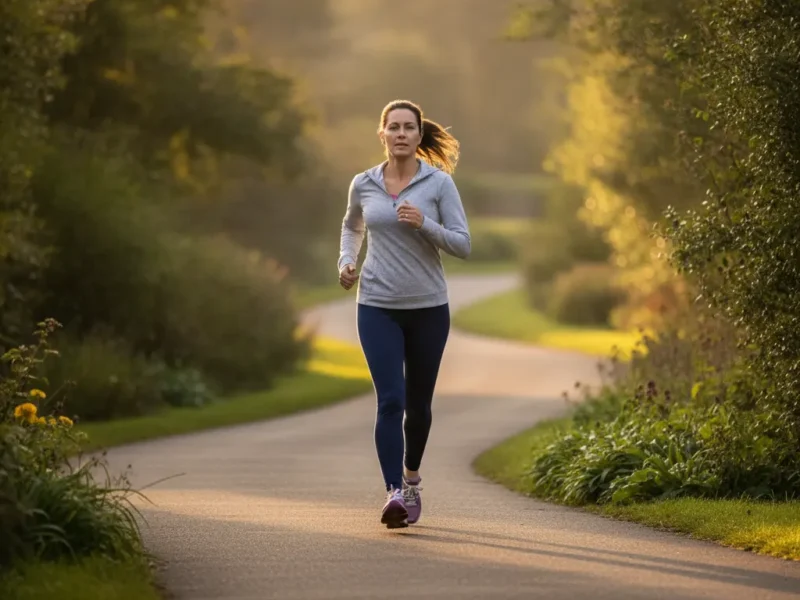
Cycling, swimming, water exercise, and an elliptical trainer place much less strain on the knee than running on asphalt while maintaining fitness and muscle strength.
5. Use the RICE method for a recent injury
Rest, Ice (for 15–20 minutes, with the ice wrapped in a towel), Compression (an elastic bandage), and Elevation (raising the leg above heart level) can reduce swelling and pain during the first few days.
6. Choose suitable footwear and insoles
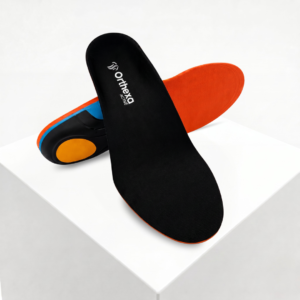
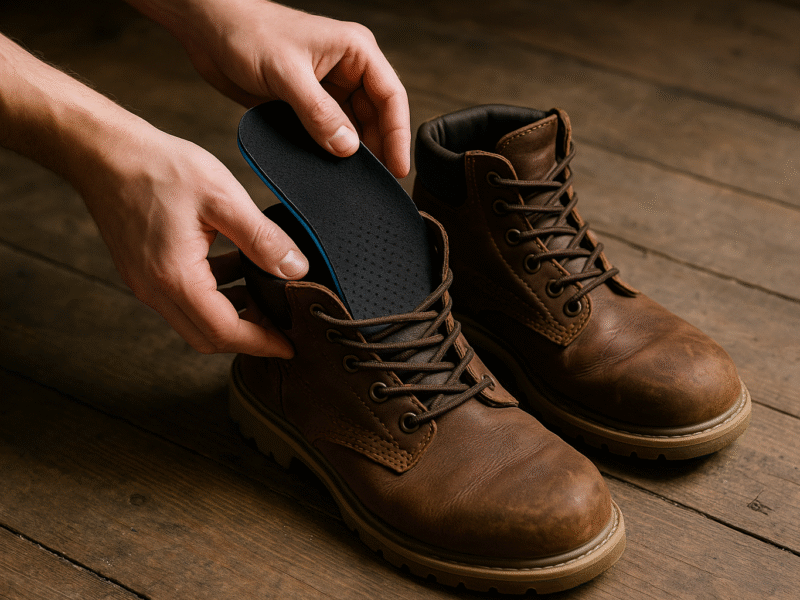
Worn soles and flat shoes transfer impact directly to the knee. Cushioned footwear and Comfort shoe insoles distribute impact and place the foot in a more neutral position; for running and sports, a more suitable choice is Active insoles.
7. Manage your body weight
The knee bears several times your body weight when you walk, so every kilogram lost makes a disproportionately greater difference at the joint. For chronic problems, this is one of the most effective measures.
8. Heat and cold
Heat can loosen a stiff joint and tight muscles in the morning, while cold can soothe a knee that is swollen and hot after activity. Never place ice directly on the skin or apply it for longer than 20 minutes.
9. Stretch your hamstrings and calves
Tight hamstrings increase pressure in the knee. Stretch for 30 seconds, 3 repetitions per leg, without bouncing.
10. Prevent falls and take pressure off the knee at night
An unstable knee increases the risk of falling: ensure good lighting, fit handrails by stairs, and use a sturdy ladder. If your knee or hip hurts while you sleep, you can help align your legs with an ErgoPlus knee pillow.
11. Use a brace or elastic bandage when needed
A soft brace can increase the feeling of stability and reduce pain during activity, but it is not a substitute for strengthening the muscles. Use it for specific activities rather than all day.
When should you see a doctor?
According to the American Academy of Orthopaedic Surgeons (AAOS) , warning signs that should not be ignored include being unable to put weight on the knee, visible deformity, sudden severe swelling, a knee that locks or gives way, pain accompanied by fever and redness, or symptoms that persist for several weeks despite home care.
Frequently asked questions about knee pain
Is it better to rest or stay active with a painful knee?
Taking pressure off the knee for a few days after a flare-up or injury makes sense, but movement should then become part of recovery. Choose low-impact activities and exercises that strengthen the thigh muscles. Prolonged inactivity weakens the muscles and usually worsens pain.
Can insoles help with knee pain?
They may help when the pain stems from biomechanics. With excessive pronation or worn footwear, insoles distribute impact and reduce unfavorable rotation of the knee. Insoles are not a solution for a ligament or meniscus injury.
Why does my knee hurt on stairs and after sitting for a long time?
This is a typical pattern of pain around the kneecap, most often caused by overuse and weak thigh and hip muscles. It often responds well to strengthening and a gradual adjustment of activity levels.
When does knee pain require urgent care?
See a doctor immediately if you cannot put weight on the knee, it is visibly deformed, it has suddenly become severely swollen, or the pain is accompanied by fever and redness. These can be signs of an injury or inflammation that cannot be addressed with home care.
This content is for information only and does not replace advice from a doctor or physiotherapist.
From our store
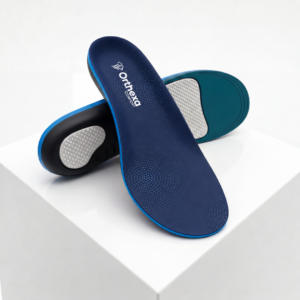
Comfort shoe insoles