Work Shoe Insoles: Why They Matter
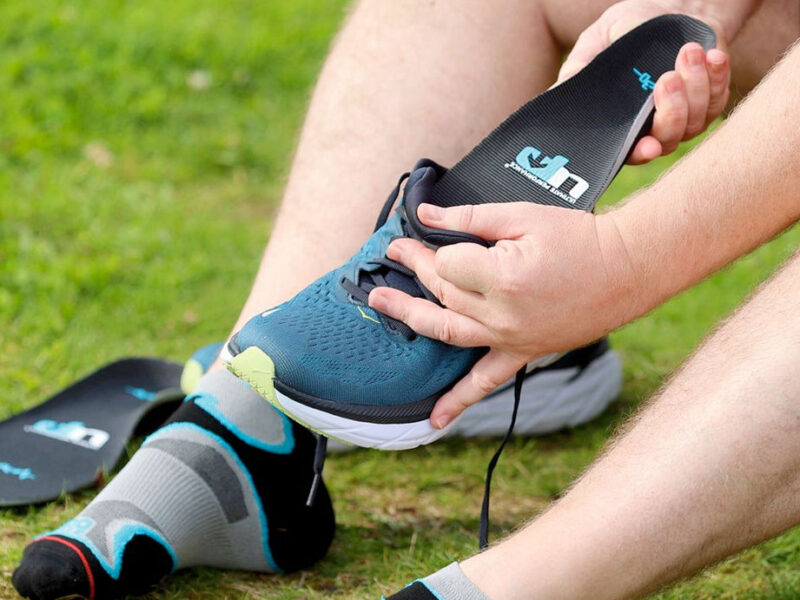
Work shoes are designed primarily for safety features such as a steel toe, slip-resistant sole, and water resistance, rather than foot comfort. Their factory insoles are often thin foam inserts without arch support and may compress within a few weeks. This is why supportive insoles can make a major difference for people who work on their feet: they take some of the load off the arch and cushion the heel with every step.
This article explains the problems work shoes can cause, how insoles may help, when they are particularly useful, and how to choose the right pair.
Why do work shoes put stress on your feet?
People who work on their feet may walk tens of thousands of steps each day on concrete or tile, surfaces that provide almost no cushioning. Work shoes are also heavier and more rigid than athletic shoes, and their factory insoles are usually only a few millimeters of thin foam without support. The resulting hours of stress on the plantar fascia and heel pad can lead to:
- burning, tired feet at the end of a shift,
- a stabbing pain in the heel that is worst with the first steps in the morning, which is characteristic of plantar fasciitis,
- pain in the ball of the foot and blisters,
- knee and lower back pain due to changes in walking mechanics,
- swollen ankles and a feeling of heaviness in the legs.

How can supportive insoles help?
An insole with arch support does three things: it distributes pressure across the entire sole instead of concentrating it at the heel and toes, supports the arch as it lowers during the day, and cushions impact with every step. Insoles are an evidence-backed option for heel pain. A Cochrane review of the research found that insoles reduce pain in the short term and that over-the-counter insoles are as effective as expensive custom-made insoles.
We examine what is and is not true about insoles in the article 9 Myths About Shoe Insoles.
When are insoles particularly useful in work shoes?
- Jobs that require standing: healthcare, manufacturing, retail, hospitality, construction, and logistics, or any role that involves spending most of the day standing on hard floors. We have collected practical tips in the article 8 Hours on Your Feet.
- Flat feet or high arches: factory insoles do not support the arch. You can identify your foot type with the guide Pronation or Supination.
- Existing foot problems: plantar fasciitis, heel spurs, and pain in the ball of the foot.
- Excess body weight: every additional kilogram increases the load on the feet with each step.
- Diabetes: reducing pressure is part of preventive foot care. We describe precautions in the article Insoles for People With Diabetes.
How do you choose the right insoles for work shoes?
| Feature | What to look for | Why it matters |
|---|---|---|
| Arch support | Defined, anatomically shaped support | Especially useful for jobs that require standing and for flat feet |
| Heel cushioning | A gel or foam heel pad | Every step on concrete sends impact through the heel |
| Thickness | A thinner profile for work shoes | An insole that is too thick presses the toes against the toe cap |
| Material | Memory foam or EVA with ventilation channels | Work shoes often have limited airflow, so perspiration can be a problem |
| Firmness | Firm rather than completely soft | An insole that is too soft may compress within a week |
| Trimmable fit | Edges that can be trimmed to size | Fits the exact shape of the work shoe |
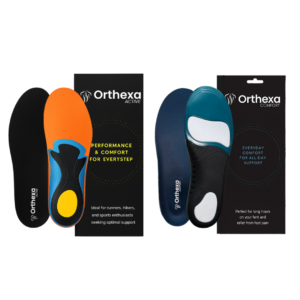
A suitable option for working on your feet all day is Comfort shoe insoles. If you also run or hike after work, consider the Active + Comfort set , with one pair for work and another for sports. You can find the full range under shoe insoles.
Our separate guide explains how to choose the work shoe itself, from the width and shape of the last to the sole: How to Choose Comfortable Work Shoes.
Proper use and care
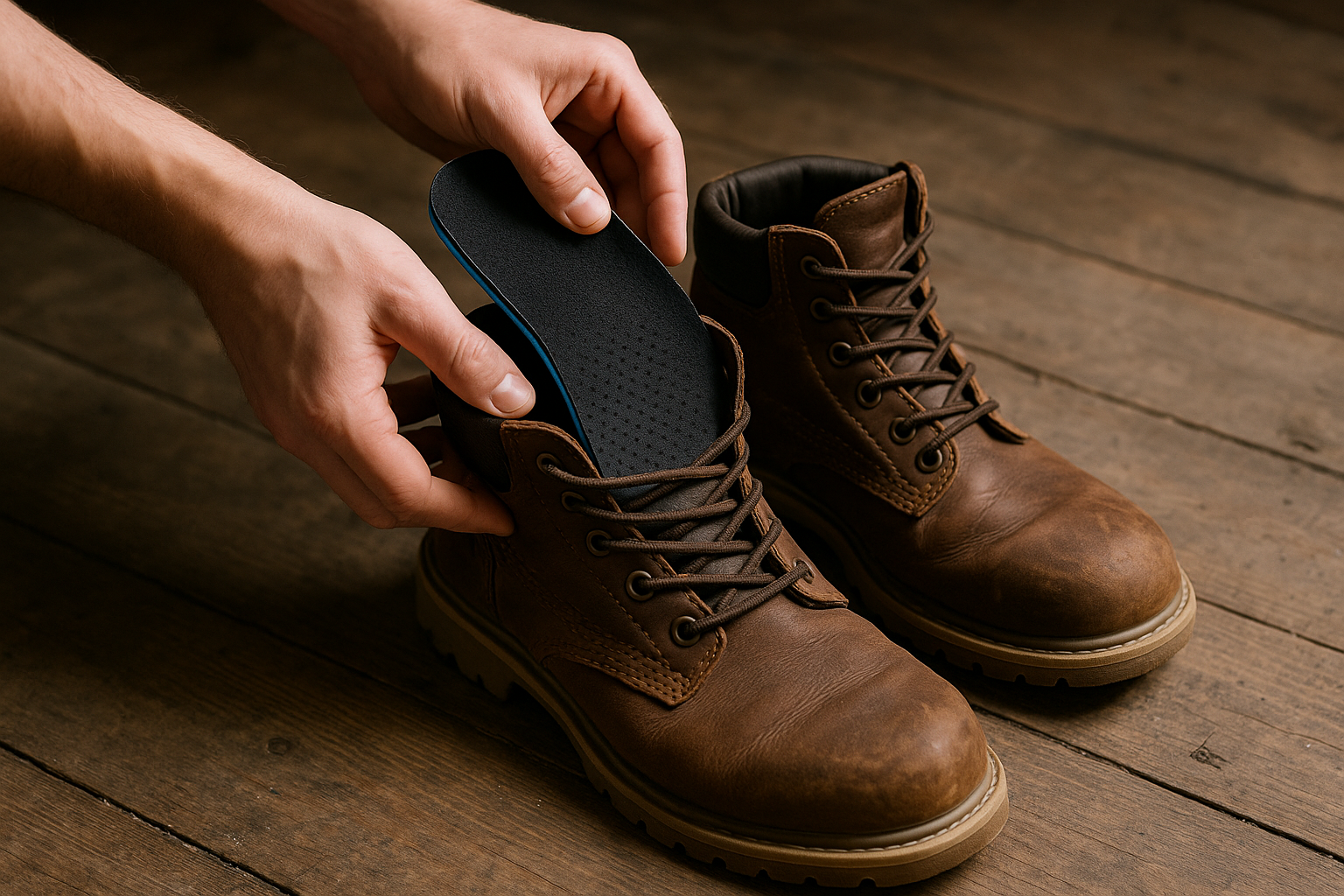
- Remove the factory insole, before inserting the new one. Two insoles worn together can compress the foot.
- Break them in gradually: wear them for 2–3 hours on the first day, then gradually increase the time. Your foot needs time to adjust to the new support.
- Dry them every evening: : take them out of the shoes and never place them on a radiator.
- Clean them with a damp cloth and mild soap; do not put them in the washing machine.
- Replace them when the support gives way or permanent indentations appear. With daily use in a job that requires standing, this is generally after 6–12 months.
Frequently asked questions about insoles for work shoes
Can I use insoles in steel-toe shoes?
Yes, if you choose a thinner profile and remove the factory insole. Space beneath the toe cap is limited. If your toes feel cramped after inserting the insoles, you need a thinner model or a shoe half a size larger.
Do I need custom-made insoles?
For most people, no. According to a Cochrane review, over-the-counter insoles are as effective as custom-made insoles for heel pain. Custom-made insoles may be appropriate for a pronounced deformity, diabetic neuropathy, or when specifically recommended by a specialist.
How quickly will I notice a difference?
You will feel the cushioning immediately, but the full effect may take one to two weeks as your foot adjusts to the support. A feeling of having a “foreign object” underfoot or mild tension in the arch can be normal during the first few days, so increase wear time gradually.
Will my employer pay for insoles?
Employer obligations depend on local law and workplace policy. Required protective footwear may be provided without insoles, but some employers contribute to their cost through workplace health programs. Ask the person responsible for occupational health and safety at your workplace.
This content is for informational purposes. Consult a doctor if you have persistent foot pain, diabetes, or numbness.
From our store
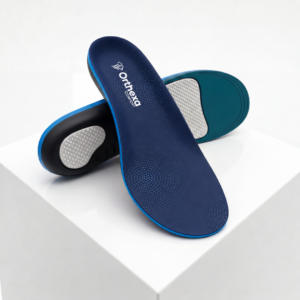
COMFORT Shoe Insoles