Varicose veins: 9 natural ways to manage symptoms at home
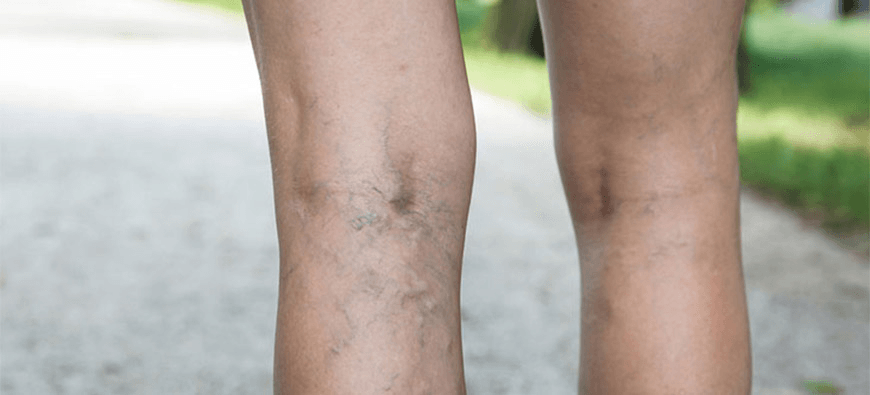
Varicose veins, also known as varicosities, are enlarged, twisted veins caused by weakened venous valves. They affect approximately 23% of adults. Home measures such as exercise, compression, elevating the legs, and managing body weight can relieve symptoms and may slow progression, but they do not remove existing varicose veins. Only medical procedures can do that.
This guide covers 9 research-supported approaches, warning signs that require medical attention, and the medical options available when home measures are no longer enough.
What are varicose veins, and why do they develop?
Varicose veins are permanently enlarged superficial veins, most often in the legs. They develop when the venous valves, small valves that direct blood toward the heart, weaken and allow blood to pool in the veins. The veins then stretch, become twisted, and show beneath the skin. According to a review in the journal Circulation approximately 23% of adults have varicose veins, and they are more common in women than in men.
What are the symptoms?
- visible, bulging blue or purple veins,
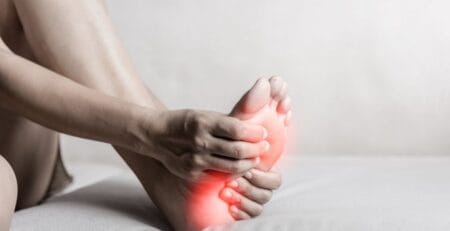
- heavy, tired legs that feel worse later in the day and during summer,
- swelling around the ankles and lower legs, especially in the evening,
- itchy, dry skin over the affected veins,
- nighttime cramps and restless legs.
Heat can further dilate the veins and impair valve function, so symptoms often become more noticeable during summer. If tiredness and heaviness in your legs are your main concerns, you may also find these useful: tips for tired, heavy legs.
Risk factors
According to the UK’s National Health Service (NHS), risk factors include being female, older age, excess body weight, pregnancy, family history, prolonged standing or sitting, and a previous deep vein thrombosis. Many of these factors cannot be changed, but physical activity, weight, and daily habits can be addressed. These are the focus of the following nine measures.
9 natural ways to manage varicose vein symptoms at home
1. Regular physical activity
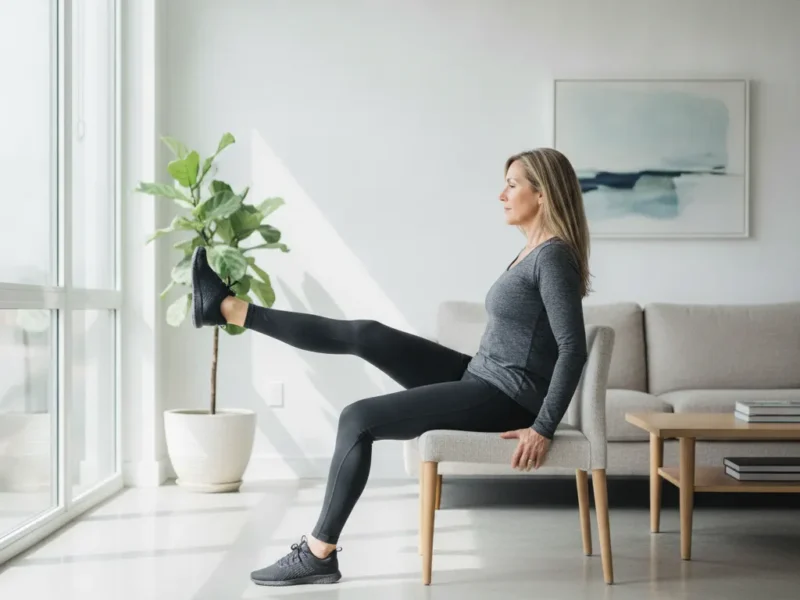
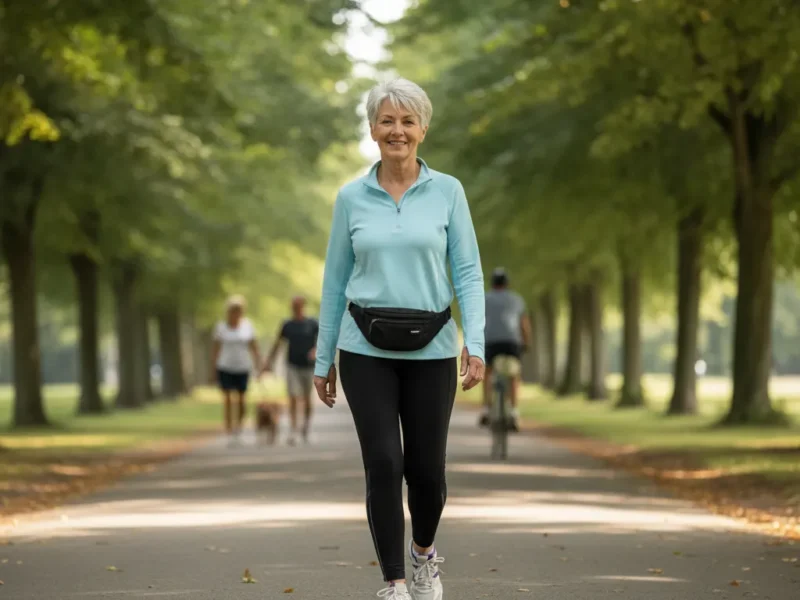
The calf muscles act as a ‘second heart pump’: with every step, they help move venous blood toward the heart. The NHS recommends regular physical activity, such as walking and running, as a self-care measure. Suitable options include walking for 30–45 minutes a day, cycling, swimming, and ankle exercises. Avoid standing still for long periods. You can find simple exercises to support circulation in our article 5 natural ways to support venous circulation.
2. Compression stockings
Graduated compression stockings reduce the diameter of the veins, which can help the valves close more effectively and may reduce tiredness and swelling in the legs. They can relieve symptoms, but they do not remove existing varicose veins. If your symptoms are pronounced, ask a doctor which compression level, such as class I or II, is appropriate and whether you need a referral. In summer, when stockings may be harder to tolerate, elevating and cooling the legs can provide additional relief.
3. Horse chestnut extract and natural creams
Horse chestnut seed extract (escin) is one of the most extensively studied natural products for chronic venous insufficiency. A Cochrane review of 17 randomized trials found that it may reduce leg pain, swelling, and itching in the short term. The authors stressed that better-quality research is needed before firm conclusions can be drawn. Escin may therefore be considered as an additional measure, rather than a substitute for exercise and compression.
4. Nutrition for healthy veins
A high-fiber diet helps prevent constipation, which can increase pressure in the abdomen and the veins of the legs. Limit salt to reduce water retention, drink enough fluids, and maintain a healthy body weight. Excess body weight is one of the main risk factors you can influence.
5. Flavonoids
Flavonoids are found in citrus fruits, berries, buckwheat, cocoa, and onions. Standardized flavonoid preparations are also used as venoactive products to relieve symptoms. Ask a pharmacist or doctor whether they are suitable for you.
6. Suitable clothing and footwear
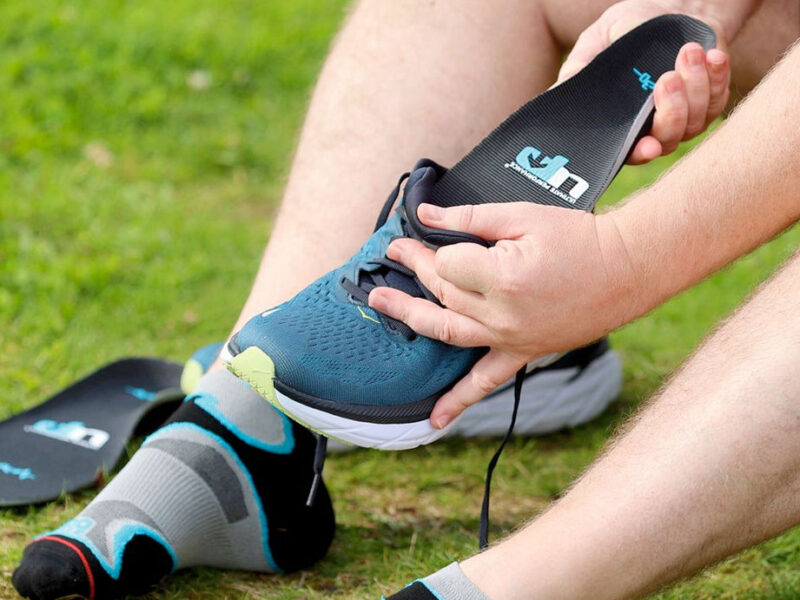
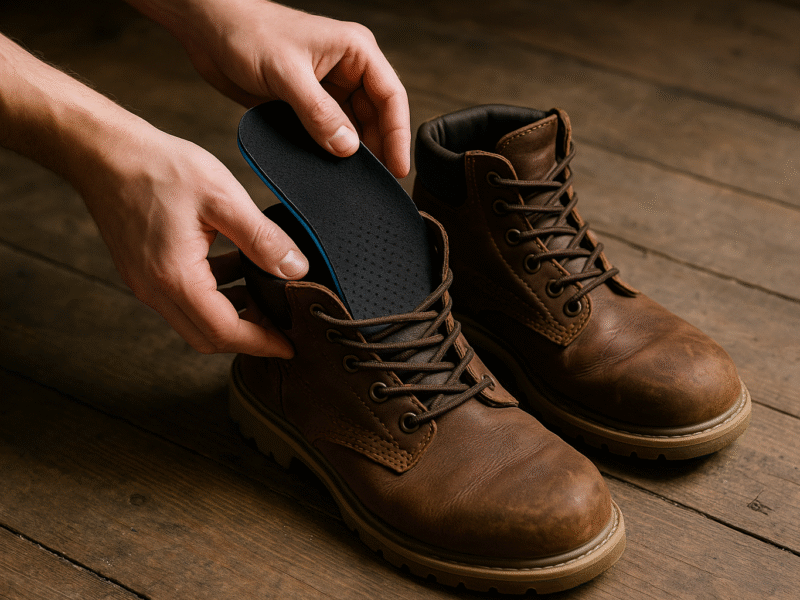
Avoid clothing that fits tightly around the waist, groin, or thighs and may restrict blood flow. Choose comfortable, low-heeled footwear instead of high heels, as this allows the calf muscles to work more effectively while you walk. You can add foot support with shoe insoles.
7. Rest with elevated legs
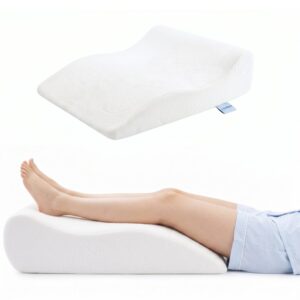
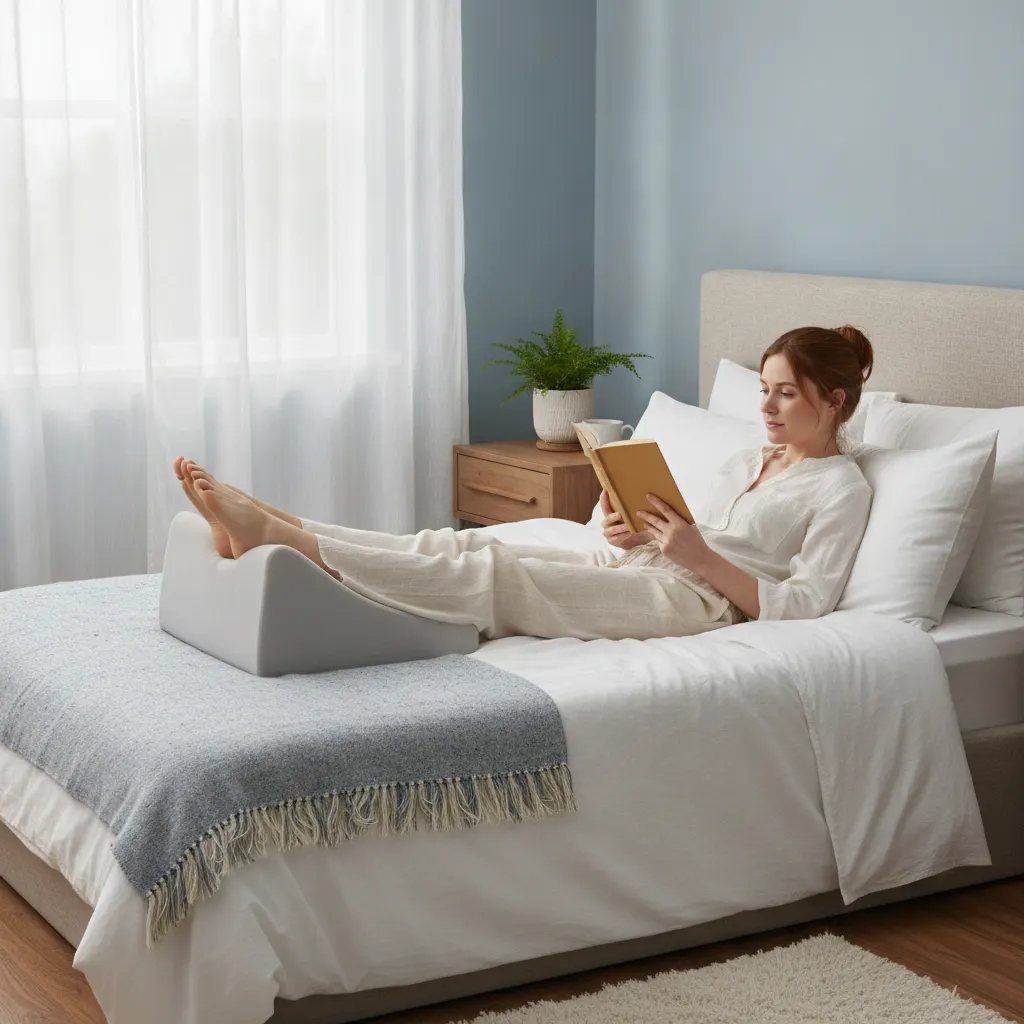
Raising your legs above heart level uses gravity to help venous blood return toward the heart. This can reduce pressure in the veins, swelling, and the feeling of heaviness. The NHS advises elevating your legs whenever possible, ideally for 15–20 minutes several times a day. A wedge pillow can make this position more comfortable, such as the ComfortLift wedge pillow, or the Medical leg support pillow, which supports the legs in a comfortable position.
8. Gentle massage and hydrotherapy
Gently massaging the legs toward the heart may support lymphatic drainage and temporarily ease the feeling of heaviness. Never massage directly over bulging veins. Alternating warm and cool water in the shower is also intended to encourage the blood vessels to contract and dilate; always finish with cool water.
9. Take breaks from prolonged sitting and standing
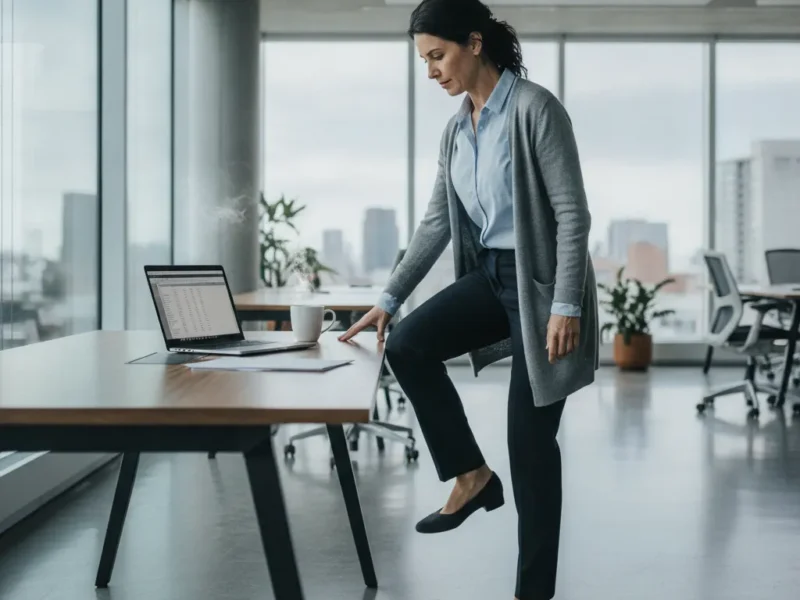
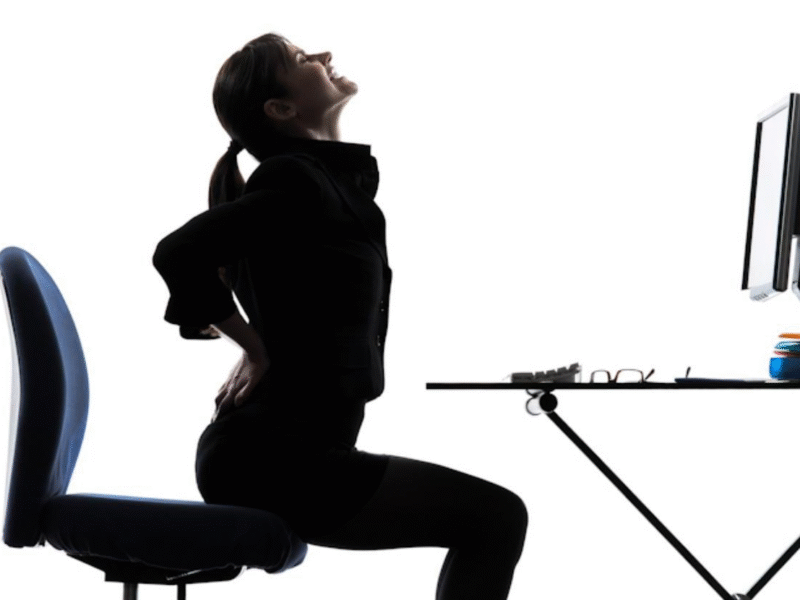
Every 30–45 minutes, stand up, take a few steps, or rise onto your toes several times. Do not cross your legs while sitting, and keep your feet flat on the floor. If you work standing up, shift your weight from one foot to the other and use each break for a short walk.
When can varicose veins be dangerous, and when should you see a doctor?
Varicose veins are usually uncomfortable rather than dangerous, but the NHS lists complications that require medical attention. These include bleeding from a varicose vein, venous eczema with itchy or scaly skin, a leg ulcer that does not heal, superficial venous thrombosis marked by a painful, hard, red vein, and deep vein thrombosis. See a doctor if:
- your varicose veins are painful or itchy, or cause significant swelling. For general causes of leg swelling and ways to manage it, see our guide How to prevent leg swelling,
- a wound on your lower leg has not healed within two weeks,
- the skin over the veins changes color, becomes hard, or starts to flake,
- your leg suddenly becomes swollen, red, and painful, as this may be a sign of thrombosis and requires immediate medical attention,
- a vein starts bleeding. Raise your leg, apply pressure to the bleeding site, and seek medical help.
What if home measures are not enough?
Existing varicose veins can be permanently removed only through medical procedures. Available options include minimally invasive treatments such as foam sclerotherapy, laser or radiofrequency ablation, as well as surgical removal by phlebectomy. A vascular specialist will recommend an option based on the extent of the condition. If home measures no longer control your symptoms, a doctor may refer you for a venous ultrasound and a consultation about treatment.
Frequently asked questions about varicose veins
Do varicose veins go away on their own?
No. Once the venous valves have weakened, an enlarged vein does not return to its original state on its own. Home measures can relieve symptoms and may slow progression, but only medical procedures such as sclerotherapy and laser ablation can permanently remove the affected veins.
Is walking good for varicose veins?
Yes. Walking is a useful self-care measure because the calf muscles help move venous blood toward the heart with every step. The NHS recommends regular exercise; remaining still while standing or sitting for long periods is particularly unhelpful.
Do compression stockings remove varicose veins?
No. Compression stockings do not remove varicose veins, but they can reduce swelling, pain, and the feeling of heavy legs. They are an important part of conservative management. Ask a doctor or pharmacist which level of compression is right for you.
How should I sleep to reduce swelling in my legs?
Sleep with the foot of the bed slightly raised, or rest your legs on a wedge pillow 10–15 cm above heart level. This can support the return of venous blood overnight. If you also experience cramps or restless legs at night, read our tips for calming restless legs.
How can I prevent new varicose veins?
Be active every day, maintain a healthy weight, take breaks from prolonged sitting or standing, wear compression stockings when appropriate, and elevate your legs regularly. You can find the full prevention plan in our article How to prevent varicose veins.
This content is for information only and does not replace medical advice. Seek immediate medical attention if you have signs of thrombosis, bleeding, or a wound that does not heal.
From our store