Osteoarthritis: what really helps with pain and stiffness
Osteoarthritis cannot be cured, but its symptoms can be eased considerably. Three measures have the strongest evidence: regular exercise, maintaining a healthy body weight, and reducing strain on the affected joint. Home measures such as heat, cold, supports, insoles, and adaptations around the home complement these measures but do not replace them.
This article reviews what really works for osteoarthritis, what is only a promise, and when it is time to see a doctor.
What is osteoarthritis, and who does it affect?
Osteoarthritis is the most common form of arthritis. The cartilage in the joint gradually thins and wears away, causing pain and stiffness, with swelling after activity. According to the World Health Organization , in 2019, approximately 528 million people were living with osteoarthritis, 113% more than in 1990. The knee is affected most often (365 million people), followed by the hip and hand. Of those affected, 73% are over age 55 and 60% are women.
Typical signs include pain that increases with activity and eases at rest, morning stiffness that resolves within half an hour, grinding or cracking in the joint, and a gradual reduction in mobility.
What really helps with osteoarthritis?
1. Movement, the measure with the strongest evidence
The most common mistake is resting too much. Inactivity weakens the muscles that take pressure off the joint, so pain increases over time. The WHO explicitly states that exercise strengthens the affected muscles and improves mobility. In practice, this means:
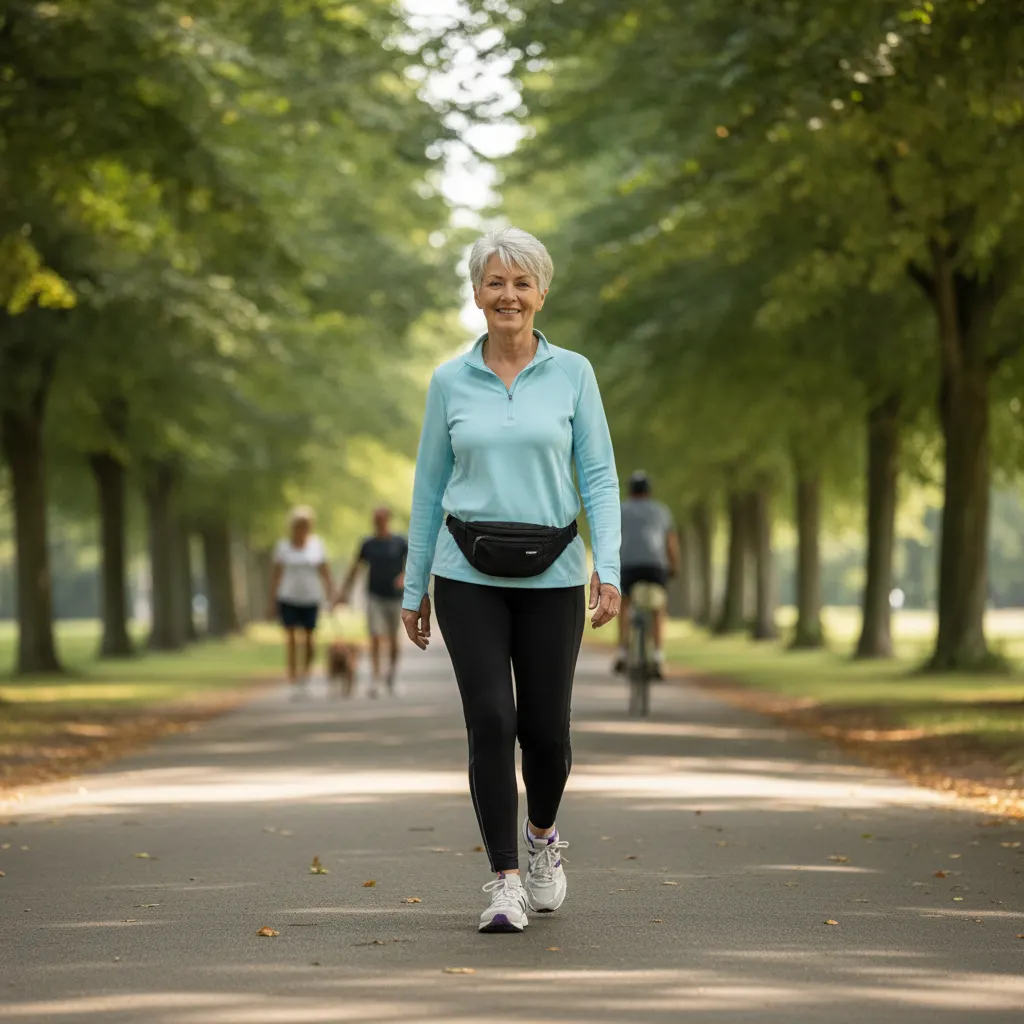
- Low-impact activities: walking, cycling, swimming, or water exercise for 30 minutes on most days.
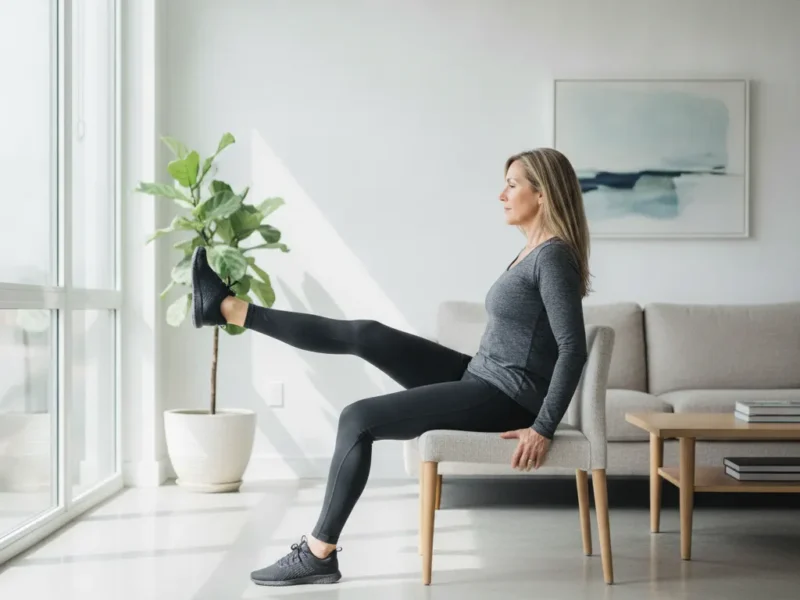
- Strengthening the muscles around the joint: for the knee, focus particularly on the thigh muscles (wall squats, seated knee extensions, and calf raises) 2–3× a week.
- Mobility and balance: stretching, yoga, or tai chi.
A useful rule: mild pain during exercise is acceptable, but pain that becomes worse and lasts into the next day means the activity was too strenuous.
2. Body weight
Every excess kilogram places several times that load on the knee when walking, so weight reduction is one of the most effective measures for osteoarthritis of the knee and hip. The WHO lists it alongside exercise. Combining physical activity with a balanced diet works better than dieting alone.
3. Reducing strain on the joint
Anything that reduces impact with each step also reduces strain on the knee and hip:
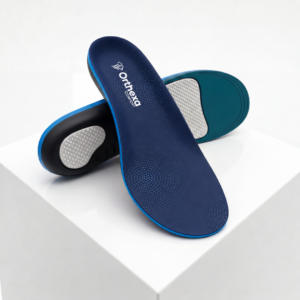
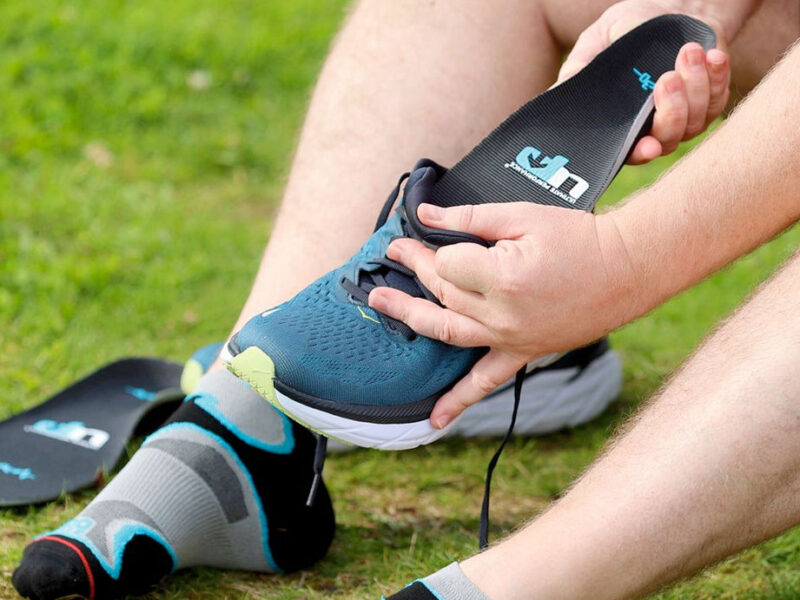
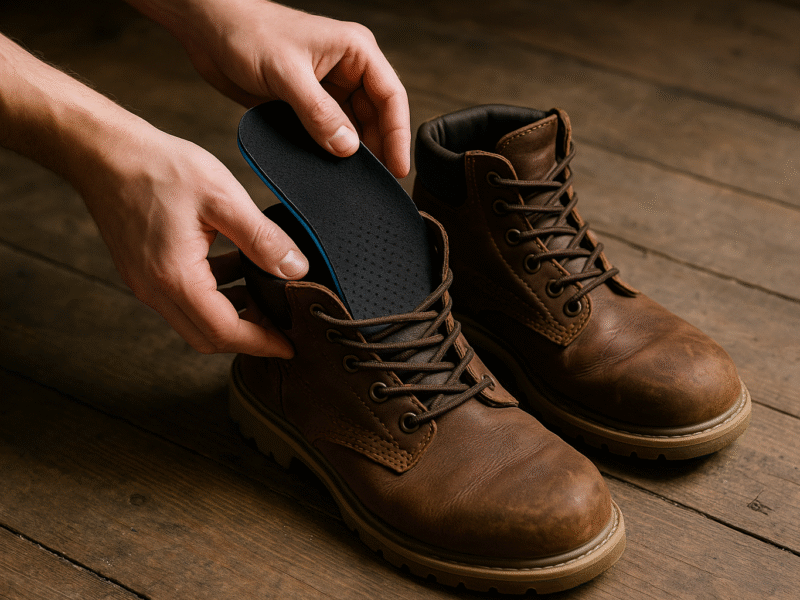
- Cushioned footwear and insoles : hard surfaces and flat soles transfer impact directly to the joint; Comfort shoe insoles distribute it across the entire sole of the foot.
- A walking stick or trekking poles for longer walks (hold a walking stick in the hand opposite the painful knee).
- A pillow between your knees while sleeping can align the legs and reduce nighttime pain in people with hip or knee osteoarthritis, such as the ErgoPlus pillow.
- Adaptations around the home: a higher chair, handrails, and avoiding prolonged squatting and kneeling.
4. Heat and cold
Heat (a warm shower, compress, or bath) can reduce morning stiffness and relax the muscles. Cold (ice wrapped in a towel for 15–20 minutes) can soothe a joint that is swollen and hot after activity. Both are inexpensive and generally safe, and their effect is immediate but short-lived. Use them to support your exercise plan.
5. Medication and dietary supplements
Pain medicines and nonsteroidal anti-inflammatory drugs, including topical gels, can reduce pain but also have side effects. Use them after consulting a doctor and not continuously. Be realistic about dietary supplements such as glucosamine, chondroitin, and collagen: evidence of their effectiveness is weak and inconsistent, and they do not restore cartilage. If you try them, do not use them as a substitute for exercise and weight management.
When should you see a doctor?
- pain wakes you at night or prevents you from carrying out everyday tasks,
- the joint suddenly becomes severely swollen, hot, and red (which may indicate infection or inflammation),
- the knee locks or gives way,
- morning stiffness lasts considerably longer than 30 minutes (which may indicate another form of arthritis).
A physiotherapist can prepare an exercise program tailored to your joint. Joint replacement is considered only for severe osteoarthritis when conservative measures are no longer sufficient.
Frequently asked questions about osteoarthritis
Can osteoarthritis be cured?
No. Worn cartilage cannot currently be restored. Pain and stiffness can often be managed very well, however, and progression may be slowed through exercise, a healthy body weight, and reduced strain on the joint.
Can I exercise with osteoarthritis?
You not only can, but exercise is the measure with the strongest evidence. Choose low-impact activities such as walking, cycling, and swimming, and strengthen the muscles around the joint. Avoid only sudden, high-impact loads during a pain flare-up.
Do glucosamine and collagen help?
The evidence is weak and inconsistent. Some people report mild relief, but these supplements do not restore cartilage. Your time and money are likely to have a greater effect when invested in regular exercise and weight management.
Heat or cold: which should you choose?
Use heat for morning stiffness and tight muscles, and cold for a joint that is swollen and hot after activity. A simple rule is to use whichever brings relief. Both are generally safe if you do not apply ice or heat directly to the skin or for longer than 20 minutes.
This content is for information only and does not replace medical advice. Consult a doctor or physiotherapist about medication and an exercise program.
From our store