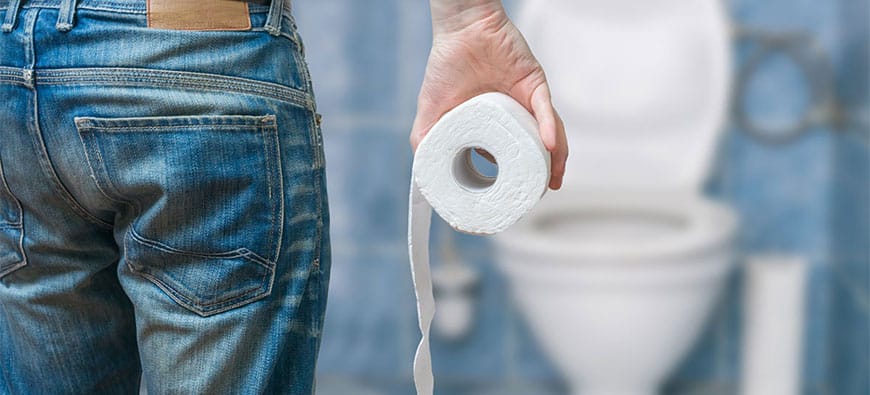
Hemorrhoid treatment: what works at home and when to see a doctor
Hemorrhoid treatment usually begins at home with 25–35 g of fiber a day, enough fluid, warm sitz baths, and less pressure from prolonged sitting. A review of studies found that fiber nearly halved the risk of persistent symptoms and bleeding. Hemorrhoids are very common: screening examinations have found them in 39% of adults, and more than half of those people had no symptoms.
This guide explains what hemorrhoids are, which home measures are supported by evidence, which over-the-counter products are available, and when a medical procedure may be needed.
What are hemorrhoids, and why do they develop?
The anal canal contains vascular cushions in everyone. They become hemorrhoids that cause symptoms when increased pressure makes them swell, bleed, or protrude. According to the Cleveland Clinic Journal of Medicine, screening examinations detect hemorrhoids in 39% of adults, although more than half of those affected have no symptoms. Common contributing factors include:
- straining to pass hard stool and chronic constipation,
- prolonged sitting, including spending unnecessary time on the toilet with a phone,
- pregnancy and childbirth,
- excess body weight and lifting heavy loads,
- a low-fiber diet and insufficient fluid intake.
Typical symptoms include bright red blood on toilet paper, itching, burning, a sensation of fullness or a lump, and pain when sitting.
Home treatment for hemorrhoids: what does the evidence support?
1. Fiber: the measure with the strongest evidence
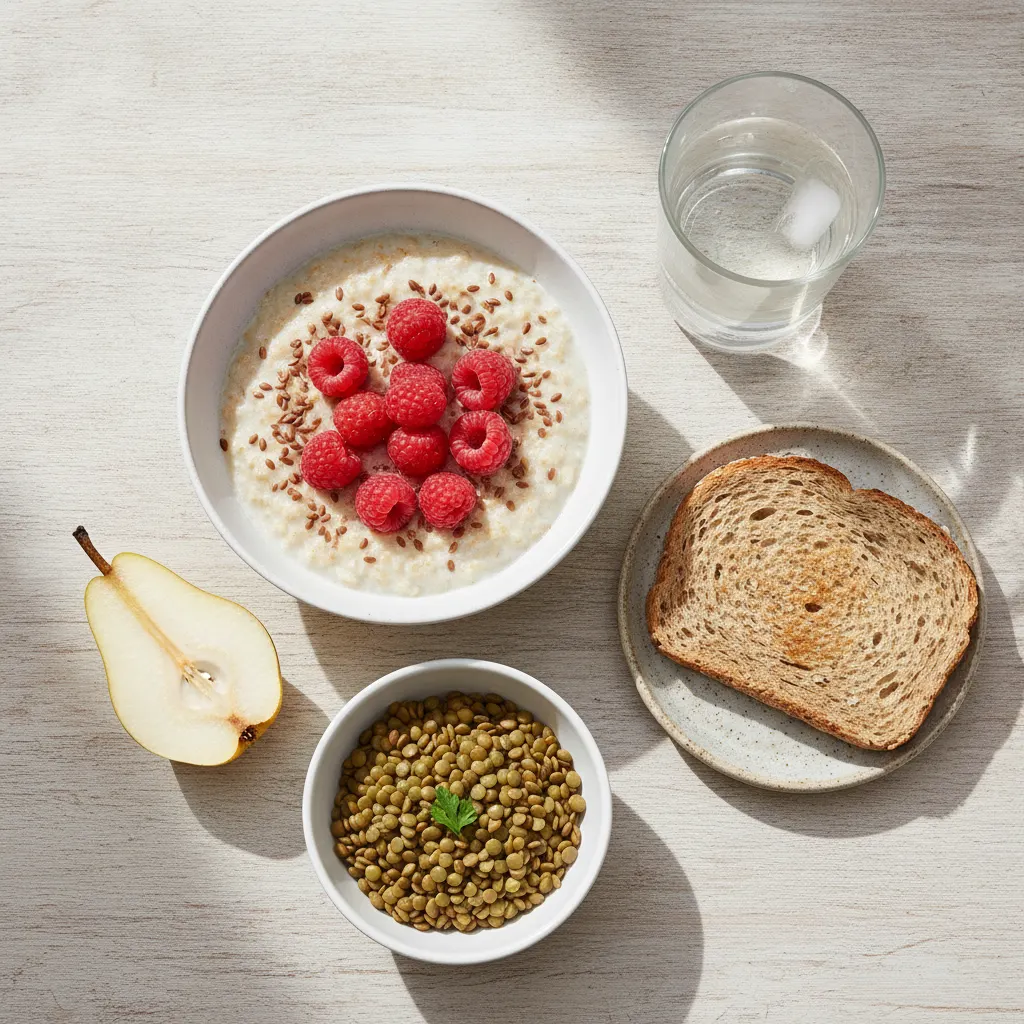
Guidance from the American Academy of Family Physicians (AAFP) recommends 25–35 g of fiber a day as a first measure. Softer stool means less straining and irritation. According to a Cochrane review summarized in surgical guidance, fiber nearly halves the risk of persistent symptoms and bleeding. Sources include oats, whole grains, legumes, fruit, and vegetables. Drink 1.5–2 liters of water a day unless a healthcare professional has advised you to restrict fluids, as increasing fiber without enough fluid can worsen constipation.
2. Warm sitz baths
Sitting in warm water for 10–15 minutes, two or three times a day and after a bowel movement, may relax the anal muscles and soothe pain and itching. Use a bathtub or a sitz-bath basin that fits over the toilet, then gently pat the area dry.
3. Reduce pressure while sitting
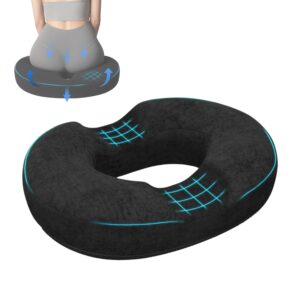
Prolonged sitting on a hard surface can increase pressure on the hemorrhoidal cushions. Stand up every 30–45 minutes, and do not remain on the toilet longer than necessary. If your work involves a lot of sitting, a seat cushion with an opening may help take pressure off the painful area. One example is the MediLux ring seat cushion . We discuss whether this type of cushion may help with hemorrhoid discomfort and how to choose one in the article Relieving hemorrhoid discomfort.
4. Hygiene and bowel habits
Use water or fragrance-free moist wipes instead of dry toilet paper. Go to the toilet when you feel the urge, and avoid straining during bowel movements. A low footstool may also help by changing the anorectal angle and making stool easier to pass.
Over-the-counter medicines
Pharmacy creams, ointments, and suppositories containing a local anesthetic, corticosteroid, or astringent can ease itching and pain, but they are intended for short-term use. Do not use a corticosteroid product for longer than one week without professional advice. Acetaminophen can be used for pain, while aspirin, or acetylsalicylic acid, may increase bleeding. Ask a pharmacist which option is suitable for you.
When are medical procedures needed?
If home measures have not helped after several weeks, or if the hemorrhoids bleed repeatedly, outpatient procedures are available. The most common is rubber band ligation; other options include sclerotherapy and coagulation. Surgery, known as hemorrhoidectomy, is generally reserved for the largest or most persistent hemorrhoids. A doctor will recommend a method based on their grade and your symptoms.
When should you see a doctor?
- Any first episode of rectal bleeding should be assessed by a doctor. Blood in or on the stool is not necessarily caused by hemorrhoids, and more serious causes need to be ruled out,
- if your stool is dark or black,
- if you have severe pain or a hard, very painful swelling, which may indicate a thrombosed hemorrhoid,
- if symptoms have not improved after two weeks of consistent home care,
- if you have weight loss, a change in bowel habits, or anemia.
Frequently asked questions about hemorrhoid treatment
Do hemorrhoids go away on their own?
Mild hemorrhoid symptoms often settle within one or two weeks when stool is kept soft and pressure is reduced, with sitz baths used for comfort. The tendency can remain, however. Symptoms may return without lasting changes to diet and bowel habits, while advanced hemorrhoids may require a procedure.
Does sitting on a cold surface cause hemorrhoids?
There is no scientific evidence for this common belief. Hemorrhoids are associated with increased pressure and straining from factors such as constipation, prolonged sitting, pregnancy, and heavy lifting, rather than a cold bench.
What type of cushion is best for hemorrhoids?
A memory-foam cushion with a central opening or cutout may help reduce contact with a painful area. Avoid traditional inflatable rings, as their edge may increase pressure. Read more about the options in our guide to choosing a seat cushion.
What should I eat if I have hemorrhoids?
Aim for 25–35 g of fiber a day from foods such as oatmeal, whole-grain bread, legumes, fruit, and vegetables, together with 1.5–2 liters of water unless you have been advised to restrict fluids. Limit alcohol and very spicy foods if you find that they aggravate your symptoms. Increase fiber gradually to reduce bloating.
This content is for information only and does not replace medical advice. Any new rectal bleeding should be assessed by a doctor.
From our store