6 myths about shoe insoles: what the evidence says
Softer insoles are always better. They work immediately. A higher price means better quality. They are only for older people. They cure flat feet. These are some of the half-truths that can make it difficult to choose shoe insoles. This article examines six common myths using professional sources, including AAOS and NHS guidance and clinical studies, alongside Orthexa’s experience from everyday conversations with customers.
1. Are softer insoles always better?
No. Softness is only one part of the picture. A good insole also needs suitable arch support; otherwise, the foot may continue to roll excessively inward while walking. The American Academy of Orthopaedic Surgeons (AAOS OrthoInfo) describes orthotics as devices that align and support the foot, rather than merely cushioning impact.
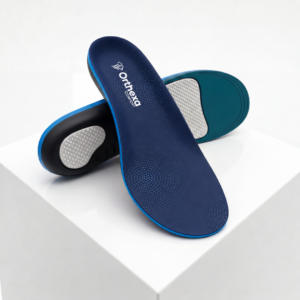
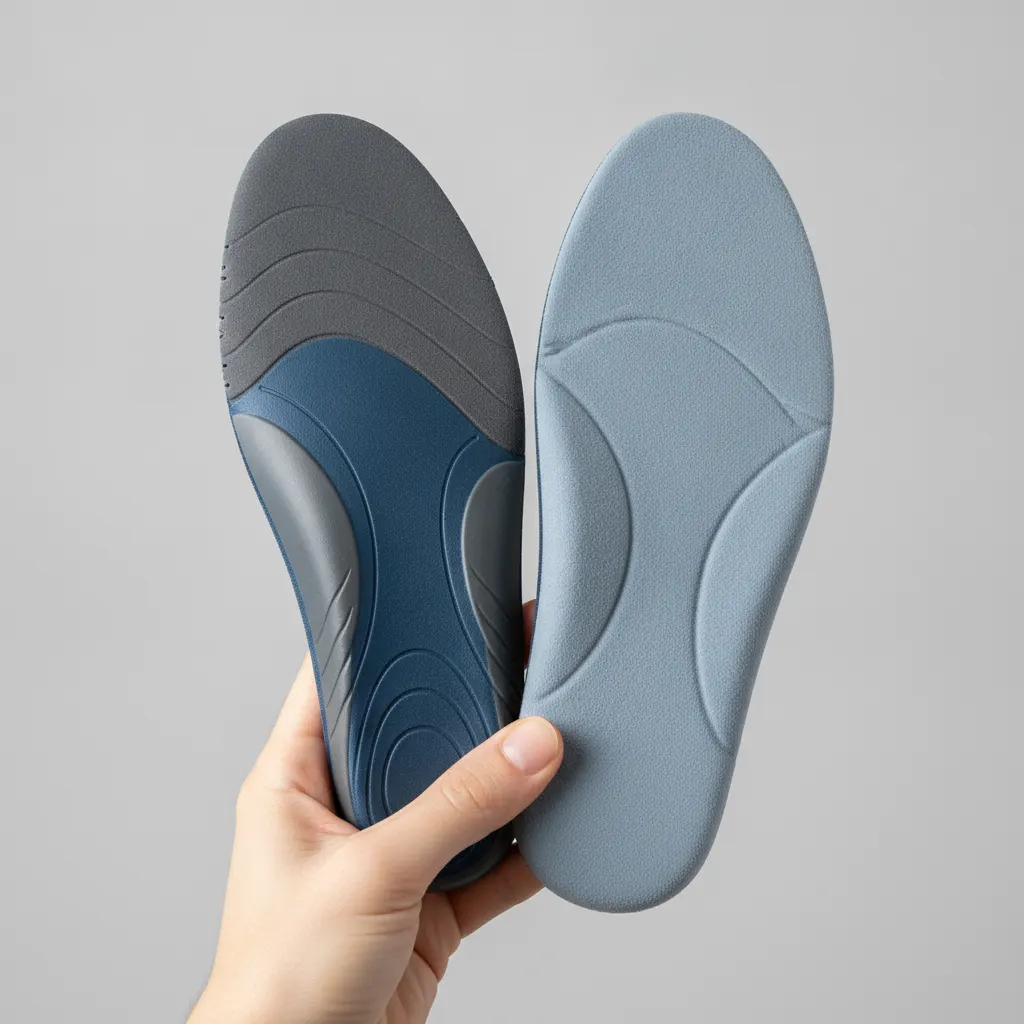
Research suggests that softness and firmness serve different purposes, so choosing an insole involves a balance between the two. A study of pressure under the foot found that softer insoles reduced pressure at specific points under the foot more effectively, while firmer materials provided better control of excessive pronation, or inward rolling of the foot. Insoles such as Comfort shoe insoles combine a firmer shell for arch support with a softer top layer for cushioning, rather than relying on a single material that is as soft as possible.
2. Do insoles work immediately, without a break-in period?
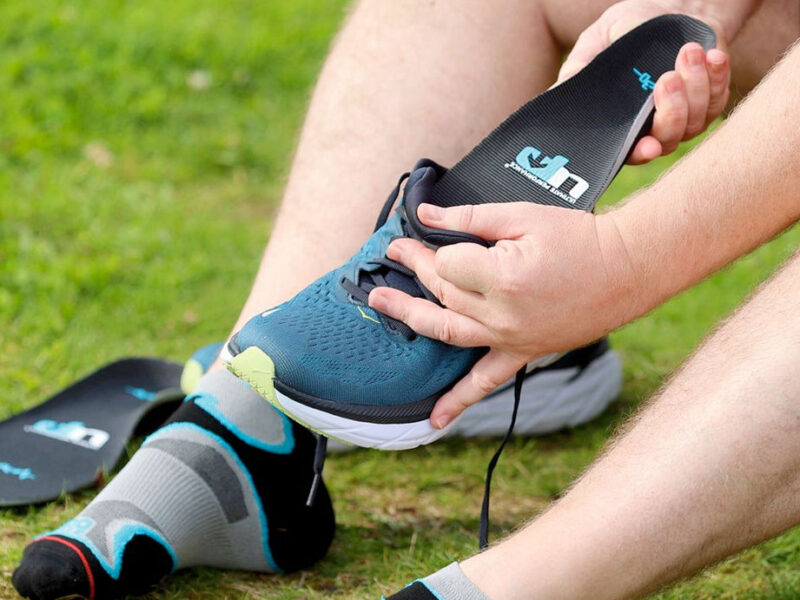
Do not expect new insoles to feel completely comfortable on the first day. Your feet and muscles need time to adjust to the change in support. A British National Health Service guide (NHS) recommends a gradual break-in period: 30–60 minutes on the first day, 1–3 hours on the second, 3–7 hours on the third, and all-day wear only from the fourth day. Mild fatigue or pressure in unfamiliar areas may occur during this period. If you experience pain, the guidance says to remove the insoles for the rest of that day and try again the next day.
Progress is also gradual when a doctor recommends insoles as part of treatment. For plantar fasciitis , the AAOS reports that more than 90% of patients improve within the first ten months of conservative treatment. Insoles are one part of that treatment, rather than a shortcut.
3. Are more expensive insoles a better choice?
Not necessarily. Price can reflect the materials and manufacturing, but it does not automatically show how well an insole will address your particular needs. A clinical study published in the Journal of Foot and Ankle Research (Ring and Otter, 2010) compared custom orthoses with substantially less expensive prefabricated orthoses in 67 patients with heel pain. Both groups had statistically significant reductions in pain and disability after 4 and 8 weeks. The authors concluded that the prefabricated devices provided comparable benefits at a considerably lower cost. The AAOS also states that prefabricated orthotics can be as effective as custom devices, particularly when combined with stretching and exercises.
This does not mean that a more expensive option is never appropriate. A custom device may justify its cost for a severe deformity, a neurological condition, or after surgery. For common concerns such as tired feet, mild heel pain, or prolonged standing, it may be reasonable to begin with a well-made, more affordable option such as Comfort or the Active + Comfort set, especially if you need insoles for different types of footwear.
4. Are insoles only for older people or those with a diagnosis?
No. This is one of the questions we hear most often from customers. In our experience (rather than research evidence), younger, active people without a diagnosis also look for insoles. They include people who stand all day at work, runners, people who take long walks, and workers who spend the day on their feet. They often choose insoles with the aim of maintaining comfort before pain develops.
According to AAOS , insoles can be used as general aids for more comfortable walking, as well as for diagnosed conditions. If you spend a lot of time on your feet or walk frequently, you may also find this article useful: 10 reasons why walking is beneficial . Suitable foot support can help keep walking comfortable.
5. Does one pair of insoles suit every shoe and activity?
We do not recommend using one pair for everything. Different activities place different demands on the feet, and an insole may gradually conform to the shoe in which it is worn. In our experience, moving the same pair between different types of footwear can shorten its useful life and may provide less suitable support for the new activity. This observation comes from customer questions and returns, rather than a clinical study.
We therefore offer insoles designed for different purposes: Comfort for everyday footwear and prolonged standing, and Active for sports and more dynamic activities where additional shock absorption may be useful. If you are unsure which type you need, browse our full range of shoe insoles or learn about your foot type in Pronation or supination.
6. Do insoles cure flat feet?
No. Insoles do not correct flat feet or permanently change the shape of the foot. The UK NHS states this directly: insoles do not change the shape of the foot and are therefore not a cure; they place the foot in a better position so it can work more effectively, which may relieve some symptoms (NHS: Flat feet in children). The same general principle applies to adults: a supportive insole may ease symptoms, but it does not remove the deformity.
It is also important to know that flexible flat feet in children are often a normal stage of development and do not require treatment when they cause no pain, as the NHS also notes. An insole may help manage symptoms and distribute load more evenly, but it should not be presented as a way to change the appearance of the foot within a few weeks.
Overview: six myths and what the evidence indicates
| Myth | What the evidence indicates |
|---|---|
| A softer insole is always better | The right balance of support and cushioning matters more than softness alone |
| Insoles work immediately | The body adjusts gradually, over several days or weeks |
| A more expensive insole is better | Less expensive prefabricated insoles may perform as well as custom devices for some conditions; complex cases may require specialist care |
| Insoles are only for older people or those with a diagnosis | Active people and those who spend a lot of time on their feet also use them for comfort |
| One pair suits every shoe and activity | Different footwear and activities may require different support or cushioning |
| Insoles cure flat feet | They may relieve symptoms and support the foot, but they do not permanently change its shape |
When are insoles not enough, and when should you see a doctor?
Insoles can provide comfort and support, but they are not a treatment for every foot problem. It is better to understand that before buying them than to be disappointed later. AAOS recommends consulting a doctor before choosing an orthotic, because the wrong type may alter walking mechanics and aggravate a problem instead of relieving it. Seek medical advice if:
- the pain is severe or prevents you from carrying out daily activities,
- the pain has not improved after several weeks of consistent insole use,
- you notice a visible foot deformity that is getting worse,
- you have tingling or numbness, or you have diabetes. Foot checks are especially important with diabetes because reduced sensation can make minor injuries harder to notice.
This content is for information only and does not replace advice from a doctor or physical therapist.
Frequently asked questions about shoe insoles
Can insoles replace a visit to an orthopedic specialist?
No. Insoles can support comfort, but they do not replace a professional diagnosis when symptoms are severe or persistent. If pain continues despite consistent use, the next step is to see a doctor or physical therapist, rather than simply buying a more expensive insole.
How long does it take to get used to insoles?
One NHS break-in guide describes a gradual schedule, starting with 30–60 minutes on the first day and building toward all-day use by the fourth day. Adjustment varies, and people using insoles for a specific condition should follow their clinician’s instructions.
Can I move the same insoles between several pairs of shoes?
We advise against moving them frequently. An insole may gradually conform to the inside of a particular shoe, and moving it may shorten its useful life or affect the support it provides. A separate pair for each type of footwear or activity may be more practical.
Do I need insoles if I am not currently in pain?
They are not essential. Some customers who spend a lot of time standing, walking, or running choose to use them for additional comfort even when they have no current symptoms. This is customer experience, rather than evidence that insoles prevent pain.
Does a more expensive insole always work better?
Not automatically. Clinical comparisons for some conditions, including heel pain, suggest that prefabricated insoles can provide benefits comparable to more expensive custom devices. Custom orthotics may be appropriate for severe or complex conditions identified by a clinician.
From our store