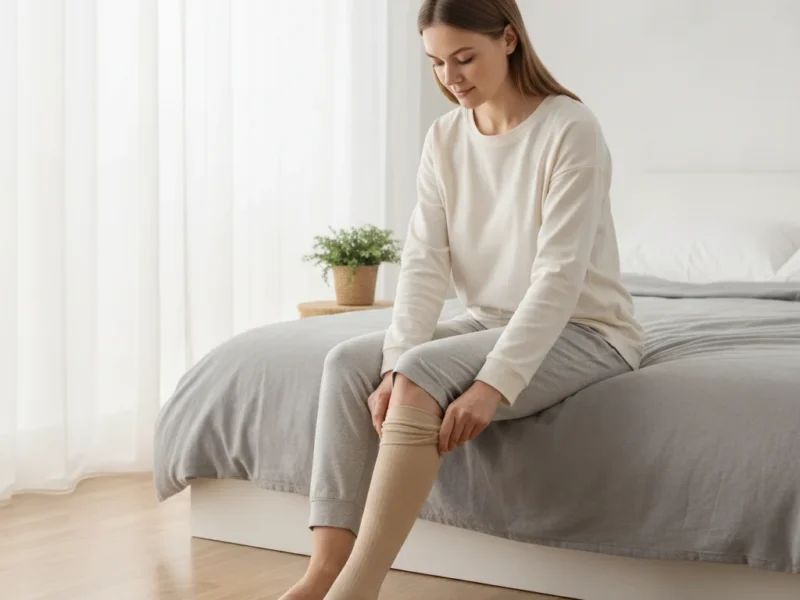

Working on Your Feet: How to Get Through 8 Hours With Less Pain
Working on your feet can become painful when you remain in one position for long periods. With little leg movement, the calf-muscle pump works less actively, blood can pool in the legs, and the joints and connective tissues of the feet bear your weight continuously. Research reports a four- to sixfold increase in leg discomfort after two hours of continuous standing. Footwear, insoles, changes of position and elevating the legs after a shift are among the approaches considered below.
This article is for anyone who spends the workday on their feet, including healthcare professionals, retail workers, servers, hairdressers, and manufacturing workers. It explains why standing at work can hurt, which shoes, insoles, and mats may help, what to do during and after a shift, and when pain or swelling is more than fatigue and requires medical care.
Why does working on your feet cause pain in the legs, feet, and back?
When the body stands still for hours, the leg muscles lose much of their pumping action, venous blood pools, and the joints and connective tissues of the feet bear continuous pressure. This can cause swelling, foot pain, and often lower back pain. This well-studied musculoskeletal strain was described in a comprehensive research review by the US National Institute for Occupational Safety and Health (NIOSH).
The muscle pump and blood pooling
When you walk, the calf muscles act as a pump that moves venous blood upward toward the heart. When you stand still, this mechanism is far less active, so blood and fluid collect in the lower legs. An Austrian study of factory workers summarized in the NIOSH review found that leg swelling increased by 10 to 220 milliliters after an average of 3.2 hours of standing. The range is wide because the response varies by individual, but the direction is clear: the longer you stand without a break, the more fluid can accumulate.
Stress on the joints and feet
The body’s full weight presses on the relatively small surface area of the feet. A Danish study found that leg discomfort increased four- to sixfold after two hours of continuous standing compared with the beginning of a shift. If the pain is directly beneath your toes or in the ball of your foot, read our separate guide Pain in the Ball of the Foot: Causes and Relief; for inflammation of the plantar fascia (plantar fasciitis), see Plantar Fasciitis: Causes, Symptoms, and Treatment.
Why your back can hurt too
When the calves and feet are tired, the body instinctively changes posture by shifting weight forward or slightly arching the lower back. This increases pressure on the lumbar vertebrae and spinal discs. The same NIOSH review reported twice the odds of lower back pain among workers who stood for more than 30 minutes of every hour (odds ratio 2.1) compared with those who could change position more often.
What footwear is most helpful for working on your feet?
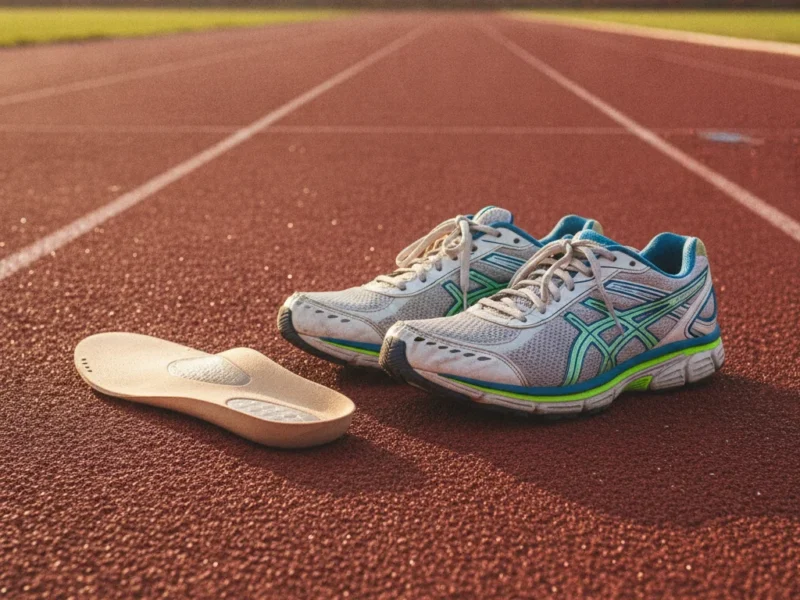
The American Academy of Orthopaedic Surgeons (AAOS) recommends shoes with at least 1.3 cm of space in front of the longest toe, a low, stable heel, and a firm heel counter that keeps the heel in place. Shop toward the end of the day because feet can swell by as much as 8% over the course of a day, making shoes that fit in the morning feel too tight in the afternoon.
- Enough room for your toes: the toe box should be wide enough for your toes to move freely.
- A low, stable heel: a high heel shifts body weight forward and increases pressure on the ball of the foot.
- Effective cushioning: the sole should absorb impact and reduce stress on the heel and joints.
- The right time to check the fit: try shoes on toward the end of the day while wearing the type of socks you use at work.
The appearance of the outsole is not the only sign that you need new shoes. If a shoe bends easily like a cloth, the midsole cushioning is completely compressed, or you develop new heel or knee pain without another explanation, the worn shoe may no longer absorb impact as it should.
Even a good shoe may not provide enough support if you have flat feet, a high instep, or existing pain. Supportive insoles such as Comfort shoe insoles may help distribute pressure more evenly across the sole and relieve heavily loaded areas inside work shoes. For a detailed comparison of insoles and guidance on choosing work shoes, read Work Shoe Insoles: Why They Matter and How to Choose Comfortable Work Shoes.
Do anti-fatigue mats really help?
Anti-fatigue mats are soft, slightly springy floor coverings that NIOSH includes among recommended measures for standing workstations. They encourage small, unconscious movements of the feet and calf muscles, which supports circulation. Studies show benefits mainly after several hours of standing and primarily in subjective measures such as lower reported fatigue. Objective findings such as swelling remain inconsistent in the NIOSH review. A mat can therefore be a useful addition to good footwear, but it does not replace it.

How does movement during a shift help prevent pain?
Movement itself is the most useful preventive measure. Shifting weight from one leg to the other, resting one foot alternately on a low step, and taking short walking breaks interrupt static loading and reactivate the calf muscle pump. Doctors at Cleveland Clinic also recommend stretching the calf muscles for 30 seconds on each side several times during a shift.
- Shift your weight from one leg to the other regularly.
- If possible, alternate resting one foot on a low step to reduce tension in the lower back.
- Do a few calf raises and ankle circles every hour.
- Use your meal break for a short walk instead of sitting.
Do compression socks help when you work on your feet?
The evidence is promising but still limited. In a study of 40 security guards working 12-hour standing shifts , those who wore compression socks (15–20 and 20–30 mmHg) had significantly less muscle fatigue, swelling, and discomfort after the shift than those who wore ordinary socks, who showed clear signs of all three. This was a small study in one occupation with only male participants, so the findings should not be generalized to everyone. They are encouraging, but they are separate from evidence about preventing blood clots on long flights, which is a different field of research. If you would like to try them, see our range of compression socks.
What should you do for your legs when you get home?
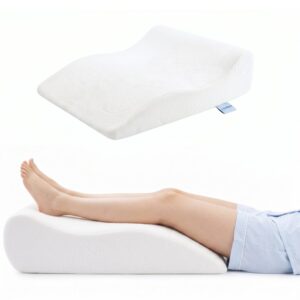
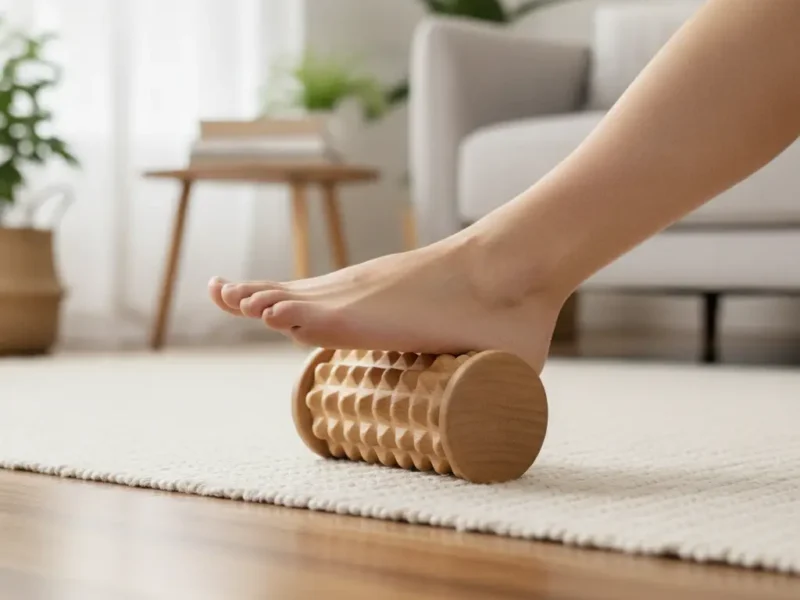
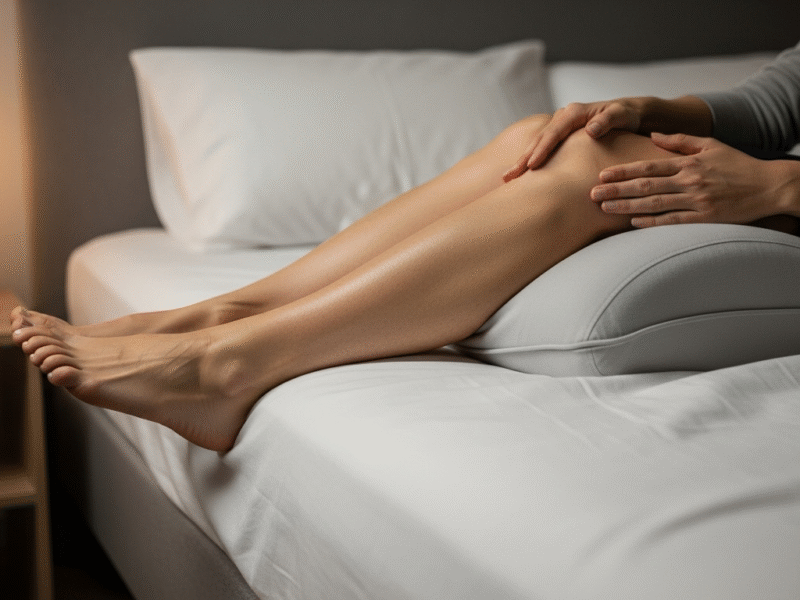
Elevating your legs above heart level for 15–20 minutes may provide quick relief by allowing gravity to help pooled blood and fluid return toward the heart. For a suitable angle and support along the full lower leg, you may find a purpose-designed Medical leg pillow helpful. As additional measures, Cleveland Clinic recommends warm or cold compresses according to comfort, soaking the feet in warm water, and gentle massage from the toes toward the knee. If heavy, swollen legs bother you more than pain after a shift, read our separate guide Tired, Heavy Legs: What Helps Now and Over Time.
Comparison: what helps most when you work on your feet
| Measure | What it does | Evidence | When to use it first |
|---|---|---|---|
| Changing position and moving | Reactivates the muscle pump and reduces blood pooling | Consistently supported (NIOSH) | During the shift, every 30–60 minutes |
| Suitable footwear | Reduces impact stress on the joints and feet | AAOS recommendation | Before the first shift and when the shoes are worn out |
| Shoe insoles | Distribute pressure more evenly across the sole | Recommended (NIOSH); effects vary by individual | For pain under the foot or a particular foot shape |
| Anti-fatigue mat | Encourages small movements and reduces subjective fatigue | Recommended; objective findings are inconsistent | At a fixed workstation |
| Compression socks | Reduce swelling and muscle fatigue after a shift | Promising small study | Long standing shifts (8–12 hours) |
| Elevating the legs after a shift | Gravity helps pooled blood and fluid drain | Standard clinical recommendation | Every evening after work |
When is leg pain more than fatigue?
Most discomfort from standing work can be managed with the measures in this article. Some signs, however, may indicate a more serious condition and require medical attention:
- Swelling occurs in only one leg, possibly with redness, warmth, or calf pain. This may be a sign of deep vein thrombosis, which, according to the UK National Health Service (NHS) , requires urgent medical attention, especially if shortness of breath or chest pain also develops.
- Swelling lasts more than a day or regularly returns.
- You develop tingling, numbness, or loss of sensation in your feet.
- You notice bulging, painful veins. These may be varicose veins, whose causes and indications for medical care are explained by the NHS; our guide to managing symptoms at home is Varicose Veins: 9 Natural Ways to Manage Symptoms at Home, and for supporting venous circulation, see 5 Natural Ways to Support Circulation in the Legs.
- You have a wound on your leg that has not healed after two weeks or more.
This article is for informational purposes and is not a substitute for a medical examination. Seek urgent medical care if you suspect deep vein thrombosis, with sudden swelling, pain, and redness in one leg.
Frequently asked questions about working on your feet
How long can I safely stand without a break?
There is no single “safe” limit, but research shows that leg discomfort increases rapidly after two hours of continuous standing. It is sensible to change position every 30–60 minutes by shifting your weight, taking a short walk, or doing calf raises before pain begins.
Does an anti-fatigue mat replace good shoes?
No. A mat cushions a hard floor and encourages small movements, but it does not correct poor support or a worn sole. The combination is most helpful: suitable footwear on your feet and a mat where you stand in one place.
When is leg swelling after work a cause for concern?
Mild swelling in both legs toward the end of a shift is common among people who work standing up and usually resolves overnight. See a doctor if swelling affects only one leg, does not resolve, regularly returns, or is accompanied by redness, warmth, or calf pain.
Can insoles help prevent problems even when I do not have pain?
They may help. NIOSH includes insoles among preventive measures for people who stand for long periods because they distribute pressure more evenly across the sole before overloading occurs. The effect varies by individual.
Can wearing compression socks all day be harmful?
Moderate-compression socks are generally considered safe for healthy adults who stand all day. If you have diabetes, poor peripheral circulation, or another vascular condition, speak with a pharmacist or doctor before buying them so they can advise you on an appropriate compression level.
From our store
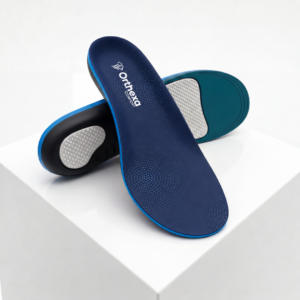
Comfort shoe insoles