
Pain in the ball of the foot: causes and ways to reduce pressure
Pain beneath the toes or ball of the foot is often described as metatarsalgia, a symptom involving the area beneath the metatarsal heads. Morton’s neuroma, sesamoid injury, arthritis, and a stress fracture can cause overlapping symptoms, so treatment depends on the diagnosis.
This guide compares four possible causes, reviews factors associated with metatarsalgia, explains metatarsal-pad positioning, and lists signs that need medical care.
This content is for general information and does not replace medical or podiatric advice.
What does pain in the ball of the foot mean?
Metatarsalgia is a descriptive term for pain beneath one or more metatarsal heads, the ends of the long bones immediately behind the toes. The Cleveland Clinic explains that it is a symptom rather than a single disease. High pressure in the area can be associated with foot shape, hammertoes, bunions, footwear, activity, body weight, rheumatoid arthritis, diabetes, or other factors.
Several conditions can feel like burning, aching, or walking on a pebble. If pain is centered in the heel instead, compare symptoms in Plantar fasciitis: causes, symptoms, and treatment.
Metatarsalgia, Morton’s neuroma, sesamoid injury, or stress fracture: how do they differ?
The table summarizes typical patterns, but symptoms overlap and it cannot confirm a diagnosis.
| Condition | Where does it hurt? | Typical sensation | When to seek care |
|---|---|---|---|
| Metatarsalgia | Diffuse pain beneath the metatarsal heads, often under the second through fourth toes | Aching or burning that often worsens with standing, walking, or impact activity | If it is worsening or not improving after 2–3 weeks of appropriate activity and footwear changes |
| Morton’s neuroma | Most often between the third and fourth toes; less often between the second and third | Burning, tingling, or toe numbness; a feeling of standing on a pebble or folded sock | If numbness becomes constant or spreads |
| Sesamoiditis | Beneath the big-toe joint at the head of the first metatarsal | Aching or sharp pain, sometimes with swelling or bruising, often worse when the big toe bends upward | Promptly if normal walking is difficult, symptoms followed trauma, or a fracture is possible |
| Stress fracture | A focal point over a metatarsal bone | Localized pain that worsens with repeated loading and may eventually occur during walking or at rest | Prompt medical assessment is appropriate; urgency depends on severity, circulation, deformity, and ability to bear weight |
What contributes to metatarsalgia?
The Cleveland Clinic lists contributors that include:
- Foot shape and deformity , including bunions, hammertoes, a high arch, or calluses that change pressure distribution. For bunion symptoms, see 5 ways to relieve bunion symptoms.
- Footwear such as high heels that shift pressure toward the forefoot or shoes that compress the toes.
- Activity load including running, jumping, or prolonged standing on hard surfaces.
- Health and body factors including higher body weight, rheumatoid arthritis, gout, diabetes, or neurologic disorders.
Foot motion can also affect pressure distribution, although pronation and supination are normal movements rather than diagnoses by themselves. Read Pronation or supination: what is your foot type.
Morton’s neuroma: burning pain between the toes
Morton’s neuroma is thickened tissue around a plantar digital nerve, most often in the space between the third and fourth toes. It is not a cancerous tumor. According to the American Academy of Orthopaedic Surgeons (AAOS) it is reported about eight times more often in women than men and most commonly between ages 30 and 60. Symptoms may include burning pain into the toes, numbness, or the sensation of a pebble or folded sock. Tight toe boxes, high heels, and impact activity can aggravate symptoms.
Sesamoid pain beneath the big toe
Two small sesamoid bones sit within tendons beneath the head of the first metatarsal. “Sesamoiditis” generally describes overuse-related pain and inflammation around this complex. According to AAOS pain often develops gradually and may occur with swelling or bruising. Bending the big toe upward and pushing off during walking, running, or dance can worsen it. A sesamoid stress fracture can cause similar symptoms and requires assessment.
Stress fracture: a reason for prompt assessment
A stress fracture is a small bone injury caused when repeated loading exceeds the bone’s ability to remodel. According to AAOS metatarsal stress-fracture pain may begin only during activity and progress to pain with walking or at rest, often with focal tenderness and swelling. Seek medical assessment when pain is confined to one bony point and worsens over days.
How can pressure and pain be reduced?
For some causes, temporarily reducing running and jumping and using better-fitting footwear may reduce symptoms. Cycling or swimming can maintain activity if comfortable and medically appropriate. A wrapped cold pack for 10–15 minutes may provide temporary pain relief; protect the skin and allow it to rewarm.
Look for a secure shoe with adequate toe-box width and cushioning appropriate to the condition. High heels and very thin soles may aggravate forefoot pain. A rocker sole can reduce forefoot pressure for some people but can alter balance and is best selected with professional advice when symptoms are significant.
Where should a metatarsal pad be placed?
A metatarsal pad is usually positioned proximal to, meaning just behind, the metatarsal heads rather than directly beneath the painful prominence. Research in the Journal of Foot and Ankle Research examined how placement affects plantar pressure. The best position varies with foot shape, pad design, shoe space, and the condition. In an older clinical study ( behind the metatarsal heads rather than directly beneath them (Hsi et al., American Journal of Physical Medicine & Rehabilitation, 2005), peak pressure in the tested area decreased from about 680 to about 430 kilopascals with the studied placement. This laboratory result does not establish one position for every foot.
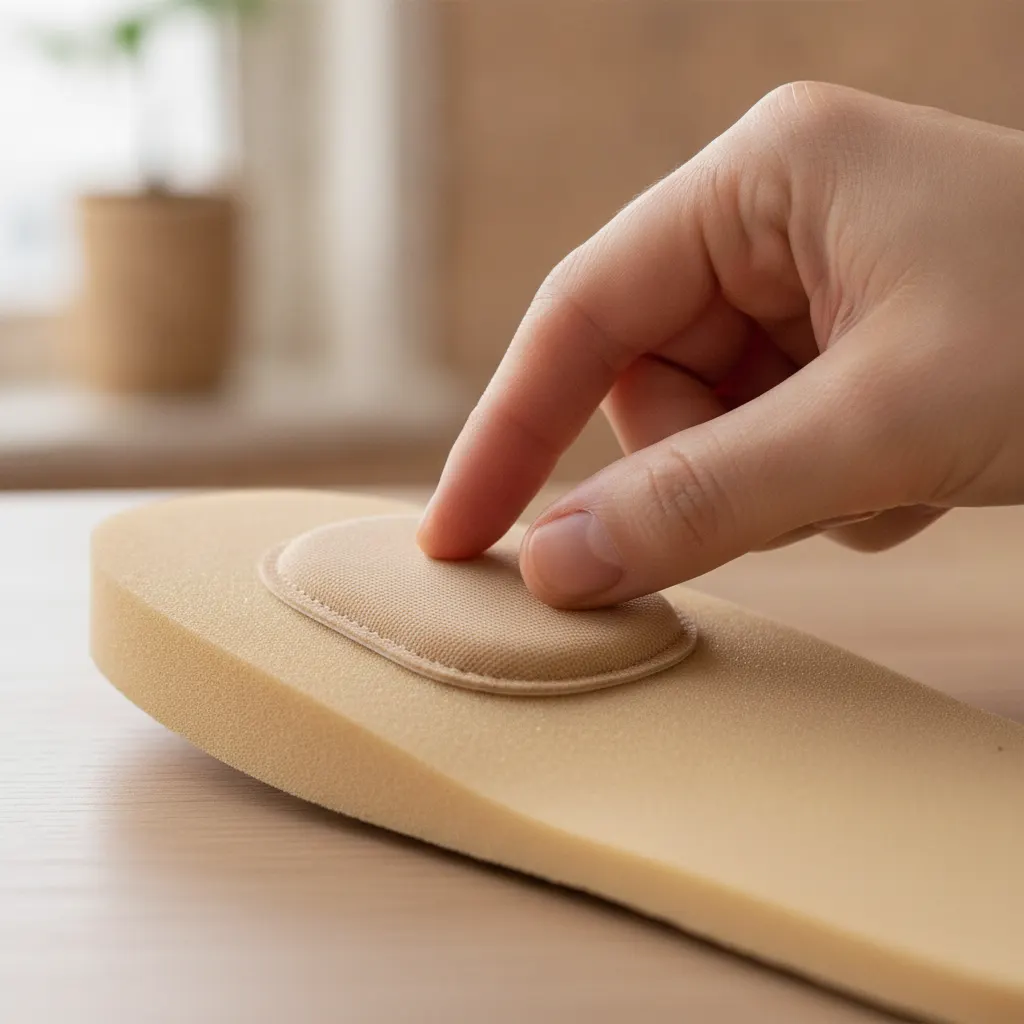
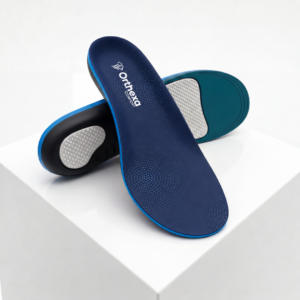
A built-in metatarsal pad may be convenient, but factory placement is not correct for every foot or shoe. Stop using an insole if it increases pressure, numbness, or pain. One consumer option is Comfort orthopedic insoles, designed with cushioning, arch support, and a metatarsal contour. Another option intended for activity is Active sports insoles. If you want both product types, Orthexa also offers the Active + Comfort insole set. You can find the entire offer in the category orthopedic insoles for shoes.
If you stand for much of the day, changing position and managing total load may help. Read Eight hours on your feet? Tips for reducing foot and back discomfort.
When should you seek medical care?
Mild, diffuse forefoot discomfort may initially respond to reduced aggravating activity and footwear changes. Seek medical or podiatric care if:
- pain worsens or does not improve after 2–3 weeks of appropriate self-care;
- pain is sharply localized over one metatarsal bone and worsens over days, which can occur with a stress fracture;
- toe numbness, tingling, or loss of sensation persists or spreads;
- there is marked swelling, redness, warmth, drainage, or a wound;
- you cannot bear weight or the foot has visibly changed shape;
- you have diabetes, neuropathy, or poor circulation, particularly with a new wound, redness, swelling, warmth, or color change.
Frequently asked questions
Can I distinguish metatarsalgia from Morton’s neuroma myself?
Symptoms can provide clues, but they overlap. Metatarsalgia is often more diffuse, while Morton’s neuroma commonly causes burning or tingling between adjacent toes. Persistent or spreading numbness needs assessment.
Do insoles need to be custom-made?
Not always. Some people benefit from a well-fitting prefabricated insole or pad, while others need custom treatment because of deformity, neuropathy, recurrent ulceration, or a complex diagnosis. Professional fitting is useful when symptoms persist or an insole creates new pressure.
Is running safe if the front part of my foot hurts?
Pause or reduce running when it worsens pain, especially if a stress fracture is possible. Return gradually only after ordinary walking is comfortable and strength and function are recovering. Seek assessment for focal bone pain, swelling, or persistent symptoms.
Do high heels really worsen the pain?
They can. High heels shift pressure toward the metatarsal heads and can aggravate metatarsalgia, sesamoid pain, or Morton’s neuroma in some people.
When does foot pain need urgent care?
Seek urgent care for an obvious deformity, an open injury, a cold or discolored foot, rapidly increasing swelling, or inability to bear weight after an injury. Focal pain that worsens over days may indicate a stress fracture and needs prompt assessment.
This content is for general information and does not replace medical or podiatric assessment. Seek care for severe, sudden, focal, worsening, or persistent pain.
Related: how to relieve the feet.
Related: relief for feet while hiking.
Related: cracked heels and pressure.
Related: inserts for flat feet.
From our store