Foot massage: techniques, rollers, and reflexology
Foot massage involves kneading, rubbing, and applying pressure to the soft tissues of the sole, ankle, and toes to promote relaxation and ease tension. You can massage your own feet by hand or with a massage roller for a few minutes per foot. Its most reliable benefits are relaxation and temporary relief for tense, tired feet. It does not treat disease.
Read on to learn what foot massage can do, the basic techniques, how to use a massage roller, what reflexology is, and when it is better to seek medical care instead of having a massage.
What is foot massage, and what does it do?
Foot massage uses the hands or a tool to press and knead muscles, connective tissue, and the plantar fascia. Relaxation is its best-supported effect: pleasant touch and slow movements may help the body settle. Many people report warmth and a feeling of lighter legs afterward, and tension in the sole may ease temporarily.
The U.S. National Center for Complementary and Integrative Health (NCCIH) reports that massage was more helpful than inactive approaches for neck and shoulder pain, while most reviewed studies of knee osteoarthritis found short-term pain relief. This evidence concerns other parts of the body and does not prove that foot massage treats a foot condition. NCCIH also notes that “the risk of harmful effects from massage appears to be low.” The key phrase is short-term: massage can support well-being and temporarily ease tension, but it is not a treatment for disease.
Why focus on the feet? A small area of the sole contains many muscles, tendons, and nerve endings, and the feet bear our weight throughout the day. A few minutes of gentle care can feel welcome. If pain affects every step, you can also browse our foot-care range.
What are the basic foot massage techniques?
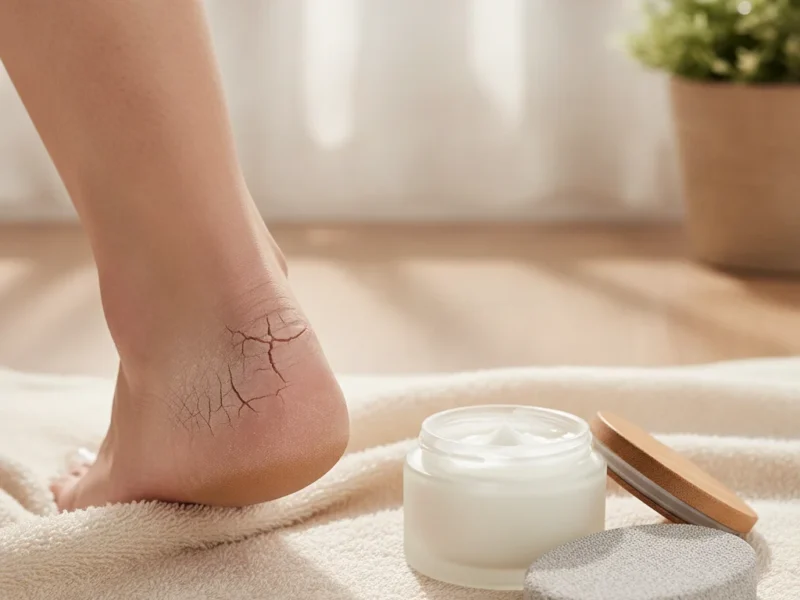
You do not need professional training to give yourself a gentle foot massage. Sit comfortably, place one foot across the opposite knee, apply a small amount of oil or cream, and move slowly with pressure that feels comfortable. Spend 30 to 60 seconds on each technique, and begin and end with light strokes.
- Gliding strokes. Using both thumbs or your palms, apply light pressure as you glide from the toes toward the heel and ankle. This warms the tissue before firmer massage.
- Circular thumb strokes. Make small circles with your thumbs across the sole, working from the heel toward the toes. Give extra attention to a tense arch, but do not press into pain.
- Kneading the heel and arch. Use firm but comfortable thumb pressure on the heel and along the arch, where the plantar fascia runs. Tension can collect in this area.
- Toe stretch. Gently straighten and spread the toes. Lightly pull and circle each toe in turn to move the small joints and surrounding tissues.
- Ankle circles. Support the foot and slowly circle it in both directions to move the ankle joint and surrounding muscles.
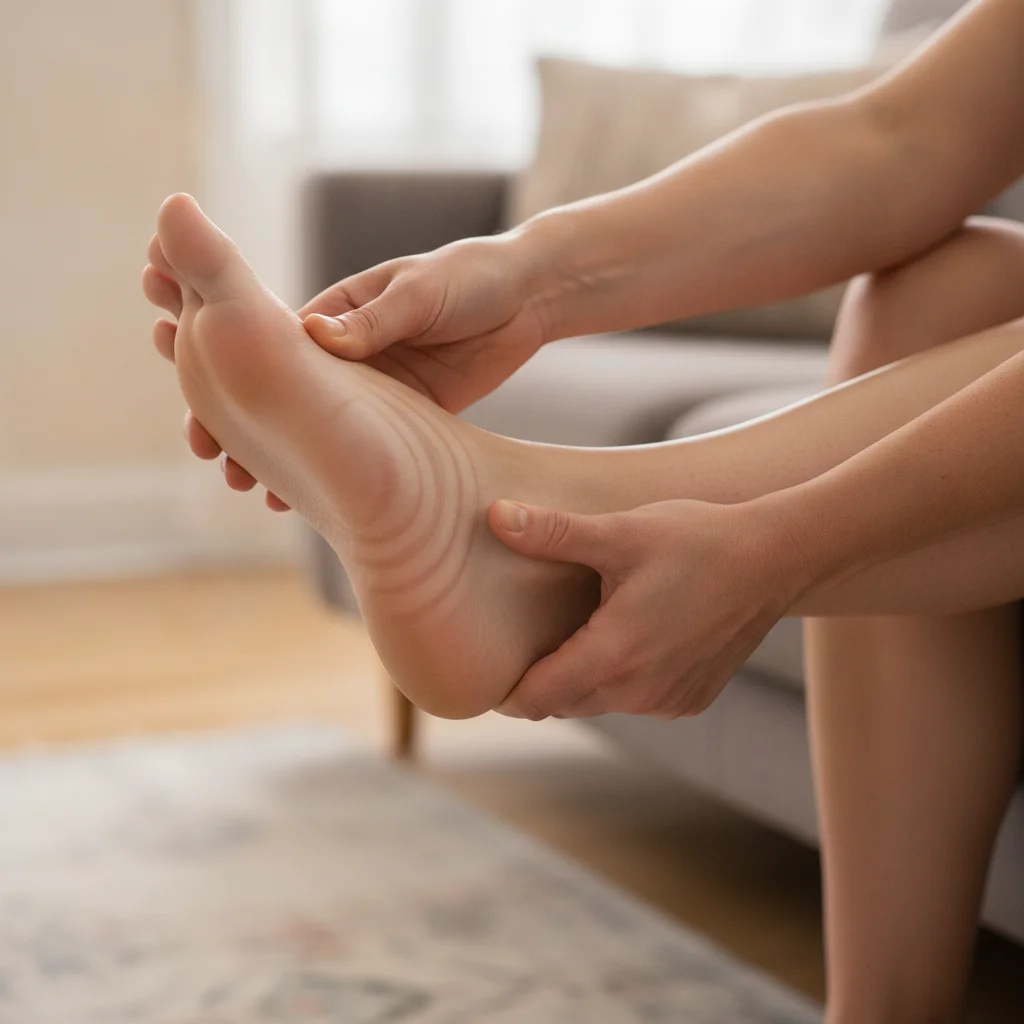
If the arch or heel feels especially tight, massage can be combined with stretching. The orthopedic resource OrthoInfo from the American Academy of Orthopaedic Surgeons recommends a simple plantar-fascia stretch: “Cross your affected foot over the knee of your other leg. Grasp the toes of your painful foot and slowly pull them toward you in a controlled fashion.” It says the exercise is best performed in the morning before standing or walking.
How do you use a foot massage roller?
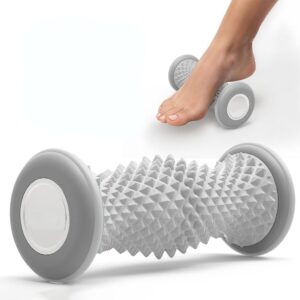
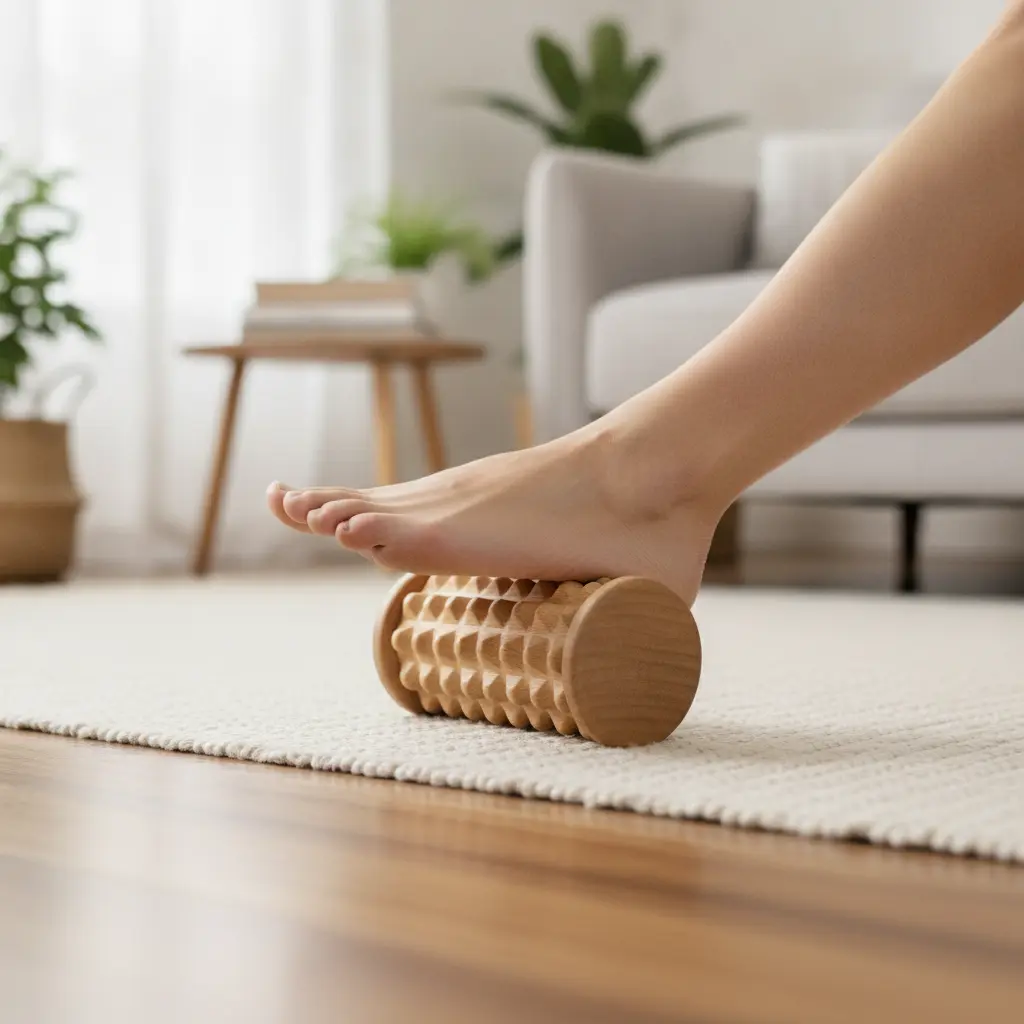
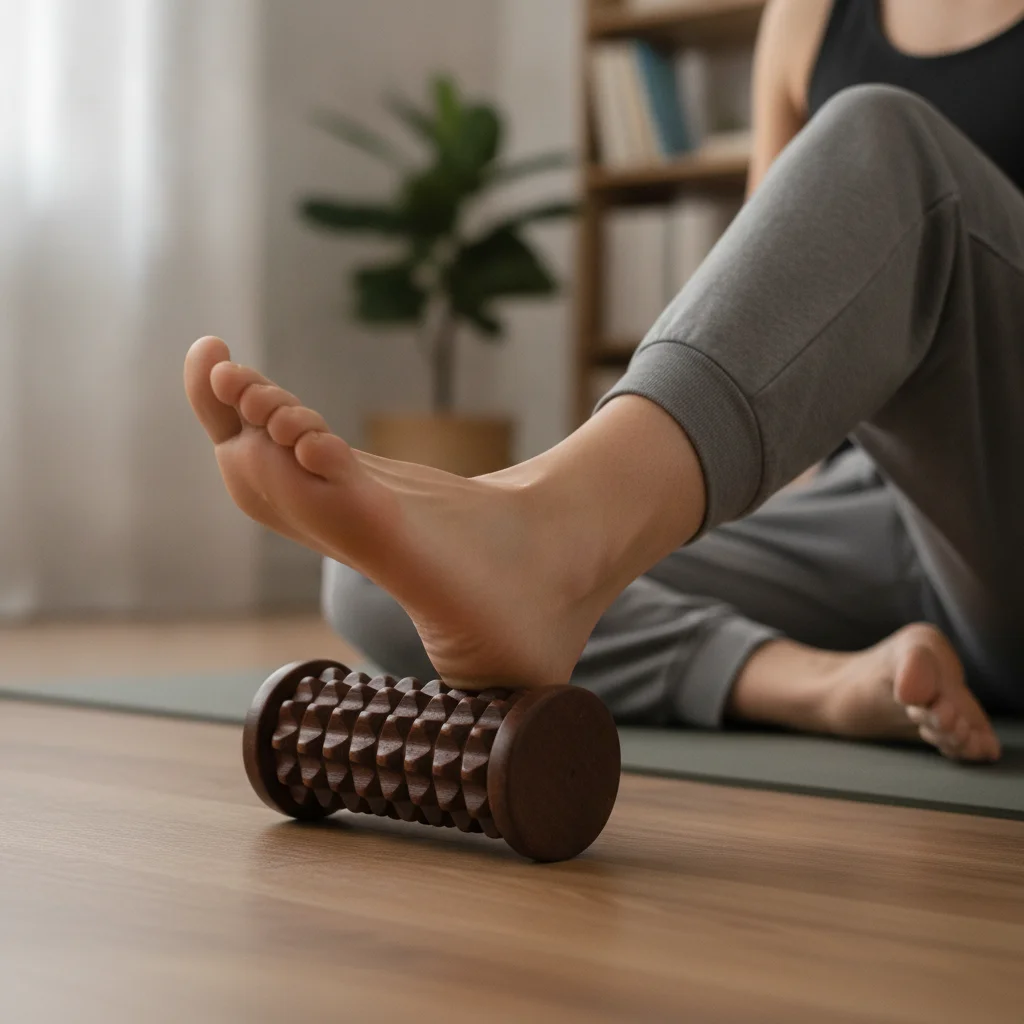
Place a foot massage roller on a firm floor and, while seated, roll the sole over it from heel to toes for about 2 to 5 minutes per foot. Adjust the pressure through your leg rather than putting your full body weight on the roller. It provides hands-free massage after time spent on your feet or as a gentle morning warm-up for a tight arch.
For a tight plantar fascia, OrthoInfo describes a related but distinct technique: rolling the foot over a cold water bottle for 20 minutes, 3 to 4 times a day. A dry massage roller does not provide the same cooling effect, but it can apply gentle pressure to the sole. For regular use at home, consider our PlantarRoller foot massage roller, which has a textured surface that contacts different areas of the sole. It can provide a relaxing massage for tired feet, but it does not replace assessment or treatment when pain is caused by an injury or an inflammatory condition.
Step by step
- Sit on a chair and place the roller beneath one bare foot on a firm floor.
- Slowly roll the sole forward and back from the heel to the base of the toes for about one minute.
- Pause near a tense area and maintain light, comfortable pressure for a few seconds.
- Remain seated and increase pressure gradually through your leg if it feels comfortable. Do not stand on the roller or press through sharp pain.
- Switch feet, then gently stroke each foot with your palms when you finish.
A useful rule: pleasant, not painful. Sharp, stabbing, or increasing discomfort means the pressure is too strong or the area should not be massaged. Stop immediately. Do not use a massage roller over an open wound or on a foot or leg that is swollen, hot, or red.
What is reflexology, and does it work?
Reflexology, sometimes called reflex massage, involves applying pressure to specific points on the foot. It is based on the idea that areas of the foot correspond to organs and other parts of the body. The technique may feel pleasant and calming, but there is no scientific evidence that massaging these “zones” treats diseases of the internal organs.
Cleveland Clinic states that there is no evidence reflexology offers more benefits than ordinary foot massage. Any pleasant effect may come from touch and relaxation rather than a specific action on distant organs. Reflexology may support relaxation and mood, but it cannot diagnose or treat disease and should not replace medical care.
Why do many people feel better afterward? Calm, rhythmic touch can be relaxing and may contribute to what is often called the relaxation response. NCCIH This response is associated with slower breathing and a lower heart rate and blood pressure. These changes vary by person, and foot massage is simply one possible way to relax.
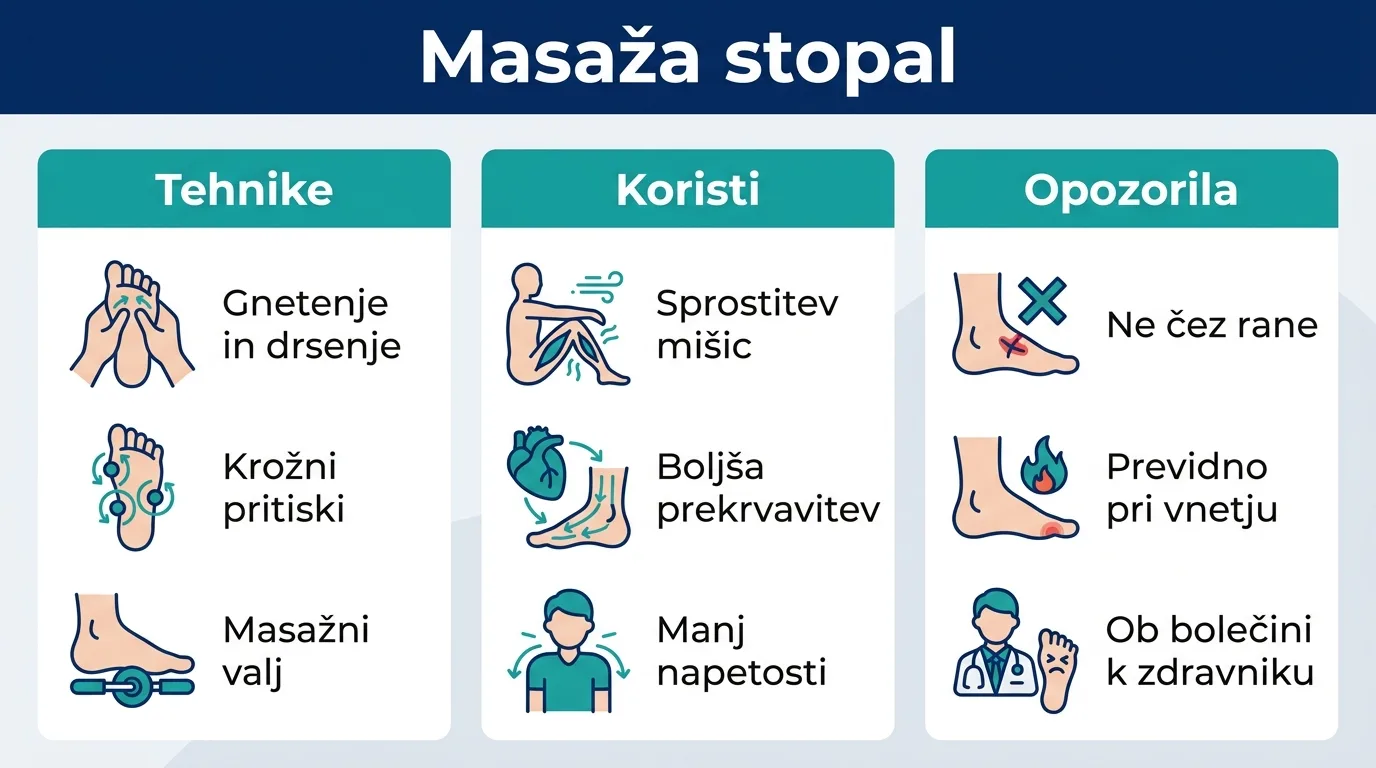
The infographic below summarizes three main foot-massage techniques, what each involves, and the main safety rule.
Comparing foot-massage techniques
The table below shows when each form of foot massage may be useful and what you can reasonably expect. Each can support relaxation and provide temporary comfort, but none treats an underlying condition.
| Technique | How | Possible use | Limitation |
|---|---|---|---|
| Manual massage | Gliding strokes, kneading, and thumb circles | Relaxation for tense, tired feet | Short-term effect |
| Massage roller | Rolling the sole with pressure from the leg | Hands-free massage for a tense arch or heel | Do not use on a red, hot, or swollen foot |
| Stretching the fascia and calf | Pulling the toes back; calf stretch against a wall | Tight plantar fascia and morning stiffness | Needs to be done regularly |
| Reflexology | Pressure on foot “zones” | Relaxation, mood | Does not treat diseases of the organs |
Does foot massage help with specific foot problems?
For tension in the feet, gentle massage can complement other care but is rarely a complete solution. Its role is limited when inflammation or injury is present. Rest, suitable footwear, support, and medical assessment may be more appropriate. Massage should feel comfortable and should not make symptoms worse.
Heel pain during the first steps in the morning is often associated with irritation of the plantar fascia. Learn more in our article about why your heel hurts in the morning. Also the UK NHS advises regular, gentle exercises to stretch the sole and heel for plantar fasciitis, and suggests insoles or heel pads. Gentle massage or rolling may be used alongside this advice if it does not worsen symptoms. For pain under the forefoot and toes, see our article on the front of the foot. For problems behind and above the heel, see our guide to Achilles tendon pain, where forceful massage may be harmful.
When should you avoid foot massage and see a doctor?
Foot massage is safe for many people, but some conditions call for caution or medical advice. Do not massage a foot or leg that is swollen, hot, discolored, or painful at rest.
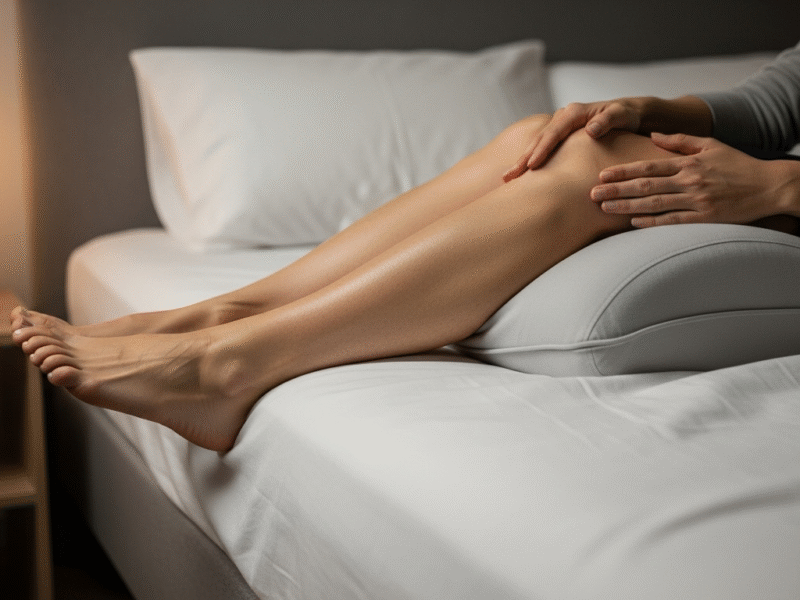
- Sudden swelling, pain, warmth, and redness in one leg: these can be signs of deep vein thrombosis. Do not massage the leg; seek urgent medical care the same day. Call local emergency services immediately for severe symptoms such as chest pain, breathlessness, or collapse.
- Diabetes or reduced sensation in the feet: reduced sensation can conceal an injury, and healing may be slower. Ask your healthcare professional whether massage is appropriate, inspect your feet first, and never use painful pressure.
- Open wounds, ulcers, skin infection, fungal infection, or a fracture: do not massage the affected area.
- Pain that lasts more than two weeks, gets worse, or prevents you from walking: the NHS advises seeking medical care rather than continuing to massage the area.
- Pregnancy: gentle foot massage may be comfortable, but sudden or severe swelling, high blood pressure, headache, visual changes, chest pain, or shortness of breath need prompt maternity or medical assessment before massage.
This article is for general information and does not replace medical care. Foot massage and reflexology may support relaxation and ease tension temporarily, but they do not treat disease. Seek medical advice for the warning signs described above.
Frequently asked questions about foot massage
How often should I massage my feet?
For relaxation, a few minutes per foot may be enough and can be repeated daily if it remains comfortable. Stop if massage or rolling causes pain or makes symptoms worse.
Can a massage roller help with heel pain?
For a tight plantar fascia, gentle rolling may temporarily ease tension or morning stiffness. This is not the same as OrthoInfo’s cold-bottle technique and is not a cure. Persistent heel pain may need suitable footwear, insoles, stretching, and assessment by a healthcare professional.
Can reflexology treat diseases of the internal organs?
No. Cleveland Clinic reports no evidence that reflexology provides greater benefits than ordinary foot massage or that pressure on foot “zones” affects distant organs. It may be enjoyed for relaxation, but medical conditions need appropriate care.
Is foot massage safe during pregnancy?
Gentle foot massage is often comfortable during an uncomplicated pregnancy. Seek prompt maternity or medical advice for sudden or severe leg swelling, high blood pressure, or other complications, and do not massage a leg if a blood clot is suspected.
Do I need oil or a special tool for foot massage?
Not necessarily. For massage by hand, warm hands and a little cream or oil can help them glide over the skin. A massage roller is a convenient option for massaging the sole while seated without tiring your hands.
From our store