Eating With Acid Reflux: Foods to Choose and Avoid
Eating with acid reflux centers on three evidence-based measures: smaller, earlier meals, with the last meal 2–3 hours before bed; identifying your own triggers instead of following strict universal bans; and managing body weight. Gastroesophageal reflux disease (GERD) affects about 14% of people worldwide and about 16% of Europeans. Suitable eating habits may substantially ease symptoms.
Below are foods that many people tolerate well, common heartburn triggers, a sample day of meals, and advice from current gastroenterology guidelines.
What is acid reflux, and why does it occur?
Gastroesophageal reflux disease (GERD) is a condition in which stomach acid flows back into the esophagus. At the lower end of the esophagus is a ring of muscle called the lower esophageal sphincter, which acts like a one-way valve. When it weakens or relaxes at the wrong time, acid can flow upward and cause burning heartburn, a sour taste in the mouth, or an irritating cough.
According to a meta-analysis of 102 studies from 37 countries , GERD affects about 14% of the global population and 15.6% of the European population. Risk is higher with excess body weight, smoking, large evening meals, and lying down soon after eating.
The most common symptoms of reflux
- burning pain behind the breastbone (heartburn), especially after a meal and at night,
- acid or food rising into the throat and a sour taste in the mouth,
- hoarseness, an irritating cough, and frequent throat clearing, which are characteristic of silent reflux,,
- a feeling of a lump in the throat and difficulty swallowing,
- symptoms that worsen when lying down or bending over.
What can you eat with acid reflux?
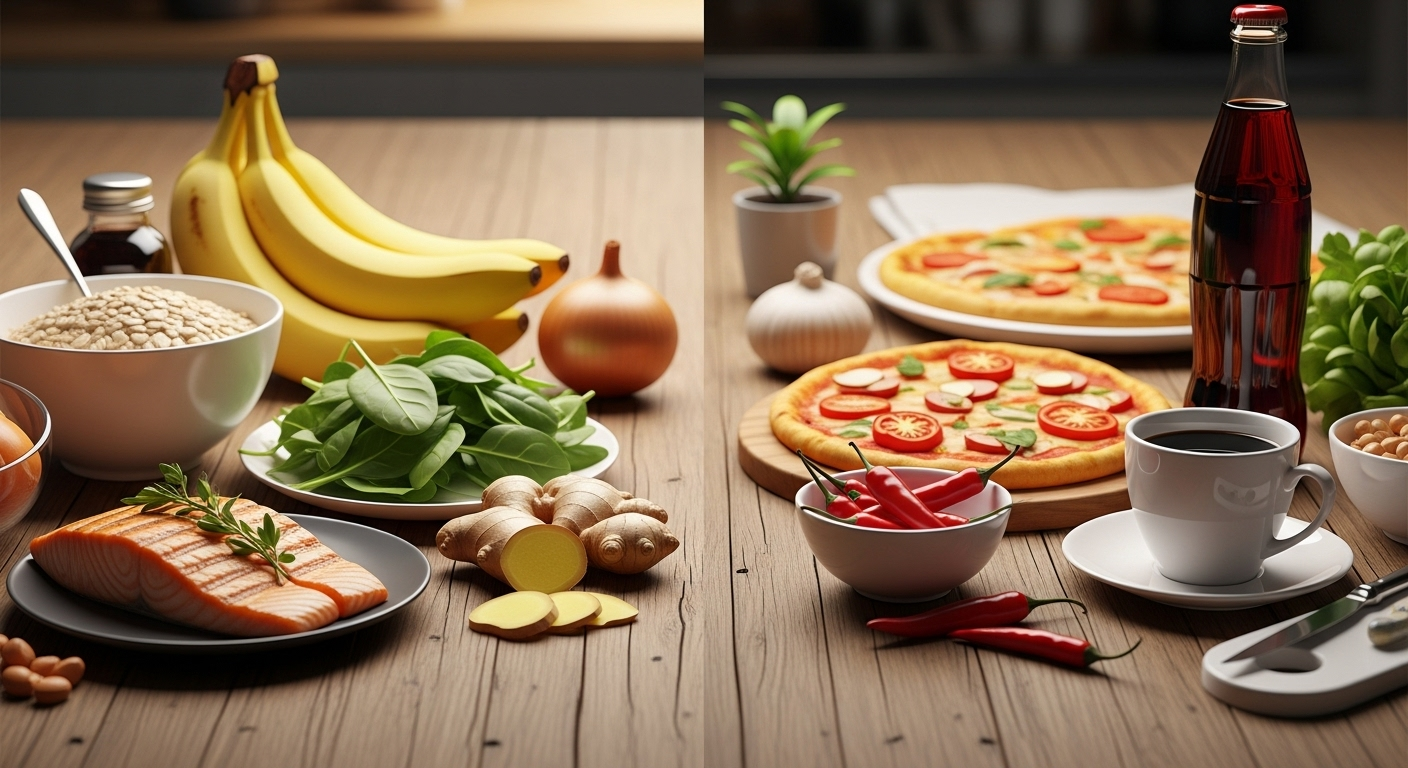
A lighter, lower-fat, high-fiber eating pattern may be easier on the stomach. Foods that many people with reflux tolerate well include:
| Group | Suggested foods | Why they may help |
|---|---|---|
| Grains and starchy foods | Oatmeal, rice, whole-grain bread, potatoes | Provide fiber and may help you feel full for longer |
| Vegetables | Zucchini, carrots, broccoli, lettuce, cucumbers | Low in acid and fat |
| Low-acid fruit | Bananas, melons, pears, apples (sweet varieties) | Less likely to irritate the esophagus |
| Lean protein | Skinless chicken and turkey, fish, tofu, egg whites | Less likely to slow stomach emptying than high-fat options |
| Unsaturated fats (in moderation) | Olive oil, avocado, nuts in small amounts | Can replace fried and high-fat foods |
| Ginger and chamomile | Ginger or chamomile tea | Traditionally used to soothe digestion |
Which foods should you avoid with acid reflux?
An important point in recent guidelines is that strict universal restrictions are unnecessary. The 2022 American College of Gastroenterology (ACG) guidelines recommend avoiding foods that trigger your own symptoms rather than asking everyone to eliminate everything on a standard list. Common triggers include:
| Group | Common triggers | Why they may cause symptoms |
|---|---|---|
| High-fat and fried foods | French fries, fried meat, cream sauces | Can slow stomach emptying and relax the sphincter |
| Acidic foods | Citrus fruit, tomatoes and tomato sauces, vinegar | May directly irritate sensitive tissue |
| Drinks | Coffee, carbonated drinks, alcohol | May reduce sphincter tone; carbonation can increase pressure |
| Sweets | Chocolate, high-fat pastries | Cocoa and fat may relax the sphincter |
| Seasonings | Hot spices, chili peppers, raw onion and garlic | May irritate the esophagus in sensitive people |
| Mint | Peppermint, menthol candy | May relax the lower esophageal sphincter |
Practical tip: keep a simple diary for two weeks, recording what you ate and when heartburn occurred. This can help you identify personal triggers without unnecessarily giving up foods you tolerate well.
Sample day of meals for acid reflux
- Breakfast: oatmeal made with water or almond drink, topped with a banana and a tablespoon of ground flaxseed.
- Morning snack: a pear or a small handful of almonds.
- Lunch: baked chicken breast, cooked rice, and stewed zucchini with carrots.
- Afternoon snack: whole-grain bread with cottage cheese and cucumber.
- Dinner (by 6:30–7:00 p.m.): baked trout with potatoes and lettuce dressed with olive oil.
- Before bed: a cup of chamomile tea and no more food.
How can lifestyle changes calm reflux?
In addition to food choices, ACG guidelines recommend four measures with the strongest evidence:
- Finish your last meal 2–3 hours before bed. A full stomach while lying down commonly contributes to nighttime heartburn.
- Lose weight if you have excess body weight. Even losing a few kilograms can reduce pressure on the stomach and the frequency of reflux.
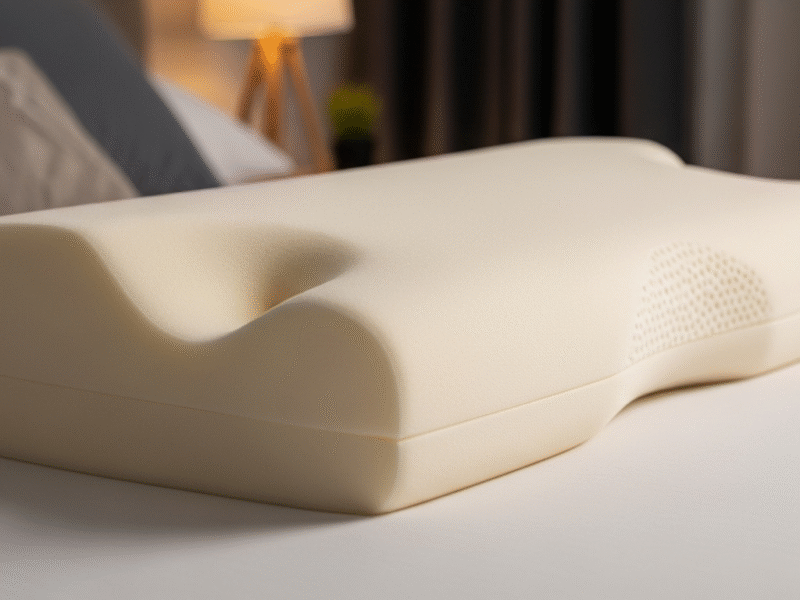
- Elevate your upper body for nighttime symptoms. Sleeping with the upper body elevated by 15–20 cm uses gravity to help keep stomach contents down. One way to achieve this is with a wedge pillow such as the ComfortLift wedge pillow . We explain why ordinary pillows are not sufficient in the article Sleeping With Your Upper Body Elevated.
- Stop smoking. Nicotine weakens the lower esophageal sphincter.

Additional measures include eating smaller, more frequent meals instead of two large ones, chewing slowly, remaining upright for at least an hour after eating, and wearing loose clothing around the waist. If heartburn often occurs at night alongside snoring, read also Snoring and GERD, and for a broader review of non-drug measures, see Natural Heartburn Relief.
When should you see a doctor?
Occasional heartburn is common, but some warning signs require medical assessment: difficulty or pain when swallowing, unintentional weight loss, vomiting, especially with blood, black stool, anemia, heartburn more than twice a week despite self-care, or symptoms lasting for years. A doctor can decide whether endoscopy or medication is needed.
Frequently asked questions about eating with acid reflux
Does milk help heartburn?
It may seem to help briefly, but fat and protein can then stimulate acid secretion, so heartburn may return. If you enjoy milk, choose skim milk or a small amount of a plant-based drink.
What should I eat for breakfast with acid reflux?
Oatmeal with banana is a common option because it provides fiber and the banana is low in acid. Other options include whole-grain bread with egg white or cottage cheese, rice porridge, and melon. Try coffee on an empty stomach cautiously because it is a common trigger.
Do I have to give up coffee and chocolate permanently?
Not necessarily. ACG guidelines recommend avoiding only foods that trigger your symptoms. Use a food diary to determine whether coffee and chocolate actually cause problems for you; many people tolerate moderate amounts without heartburn.
How quickly can dietary changes improve symptoms?
Initial improvements, such as calmer nights and less heartburn after meals, may appear within one to two weeks of consistent changes. The full effect, especially when combined with weight loss, may take several months. Speak with a doctor if you do not improve.
Does apple cider vinegar help acid reflux?
There is no scientific evidence for the popular advice to take a teaspoon of apple cider vinegar, and its acidity may further irritate an already sensitive esophagus. Safer, evidence-backed measures include eating dinner earlier, elevating the upper body, and identifying personal triggers.
This content is for informational purposes and is not a substitute for consultation with a doctor. Seek prompt medical care for warning signs such as difficulty swallowing, weight loss, or blood in vomit.
From our store