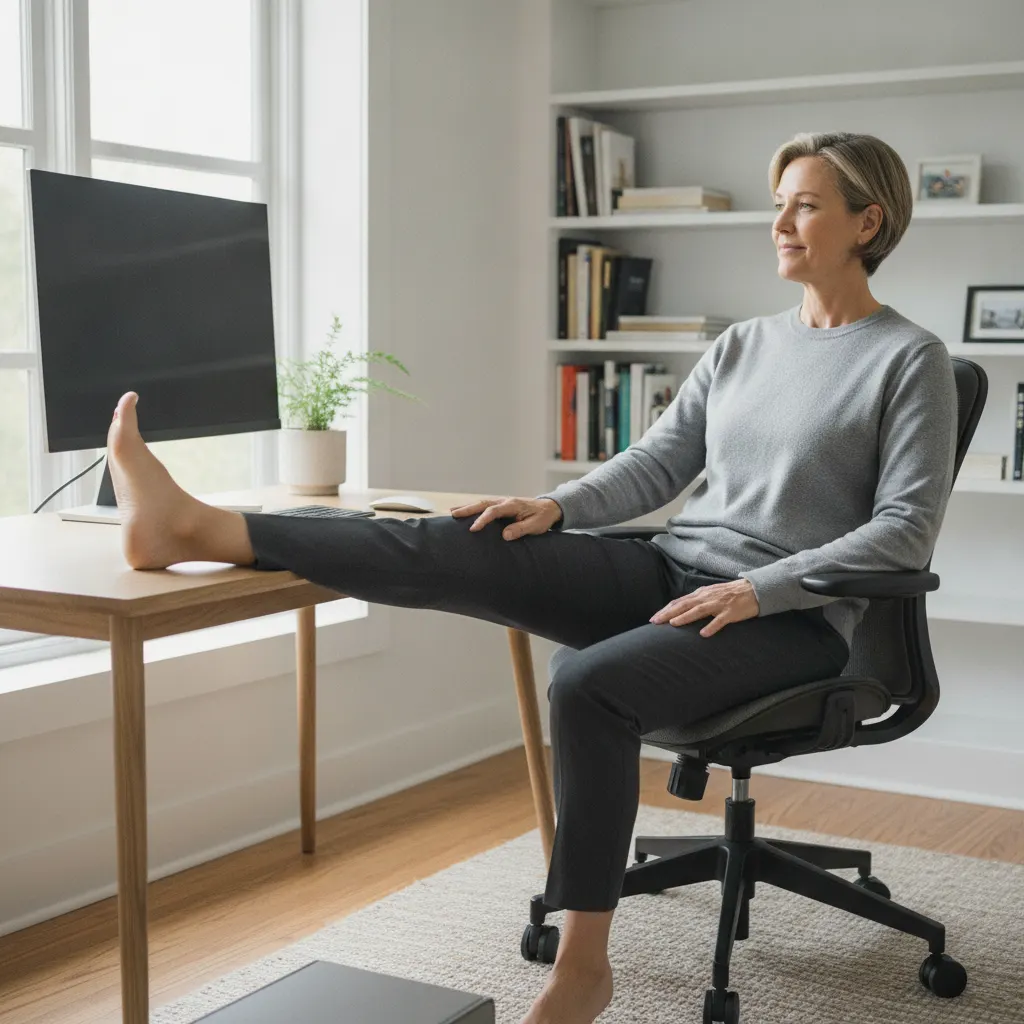
5 Exercises for Better Circulation in Your Legs
Blood returning from the legs to the heart is assisted by the calf muscle pump, which activates with each step. When you remain still for a long time, whether sitting or standing, this pump is less active, and fluid may accumulate in the lower legs, causing swelling or stiffness. For more about the causes of swelling and when it may be serious, read our guide How to Help Prevent Leg Swelling. Below, we explain how the mechanism works, why remaining still can contribute to symptoms, and five practical habits that support blood flow, whether or not you have varicose veins.
What moves blood back toward the heart?
The calf muscle pump is a mechanism in which each contraction of the calf muscles compresses the deep veins in the leg and helps move blood upward toward the heart, while one-way valves help prevent it from flowing back down. This mechanism makes an important contribution to venous return from the legs.
The difference between an active and inactive calf can be measured. During quiet standing, the pressure in the ankle veins may rise to about 90 mmHg under the weight of the blood. When the calf muscles contract, pressure in the lower-leg veins may fall to about 25 mmHg. This pressure change helps move blood upward (source: PMC, hemodynamics of venous flow in the lower limb). Put simply, movement helps the veins return blood efficiently from the legs.
Why does remaining still affect circulation in the legs?
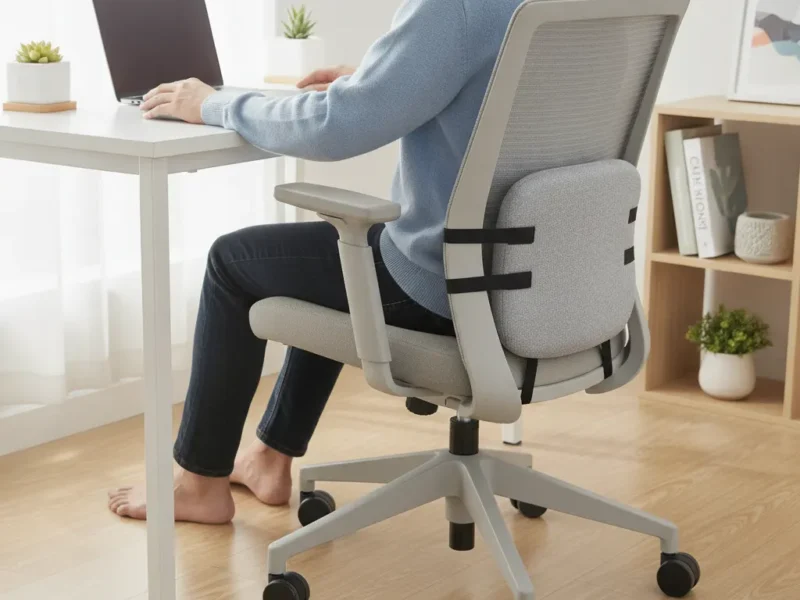
Prolonged sitting or standing without movement reduces the action of the muscle pump. Blood may pool in the leg veins, venous pressure can rise, and fluid can move into surrounding tissues. This may feel like heavy, swollen legs at the end of the day. These symptoms can be a common response to prolonged inactivity and do not by themselves confirm varicose veins or another condition. If you also notice a visibly enlarged vein, read about the treatment of varicose veins in our separate article. If you mainly have heaviness and swelling without visible veins, see our guide to tired, heavy legs, which covers measures that may provide prompt relief.
Jobs that involve standing still all day, including retail, hospitality, and manufacturing roles, can leave the calf muscle pump as inactive as prolonged sitting. Standing is not active movement unless the calf muscles contract. For advice on making a long standing shift more comfortable, read 8 Hours on Your Feet.
5 habits and exercises that support blood flow in the legs
None of these measures is a miracle solution. They activate the calf muscle pump or use gravity to assist venous return, providing a clear physiological reason for their use.
- 1. Walk. Walking is one of the most accessible ways to activate the calf muscle pump regularly. For practical ideas on adding more movement to your day, see 10 Ways to Move More During the Day.
- 2. Circle your ankles and flex your feet. While seated, circle your ankles in both directions several times a day. Then alternate between lifting your toes while keeping your heels down and lifting your heels while keeping your toes down. Contract and relax the calf muscles as well. The US CDC recommends similar exercises for travelers to keep their legs moving during long periods of immobility (source: CDC) . The same principle applies to other forms of prolonged sitting, not only air travel.
- 3. Do standing calf raises. Stand upright, slowly rise onto the balls of your feet, hold for one second, and lower. Complete 2–3 sets of 15 repetitions if this is comfortable and safe for you.
- 4. Break up periods of inactivity. Stand and take a few steps at least once during every hour of sitting or standing still. For long journeys, the CDC recommends getting up and walking every 2–3 hours (source: CDC); at a desk, more frequent movement breaks may be useful.
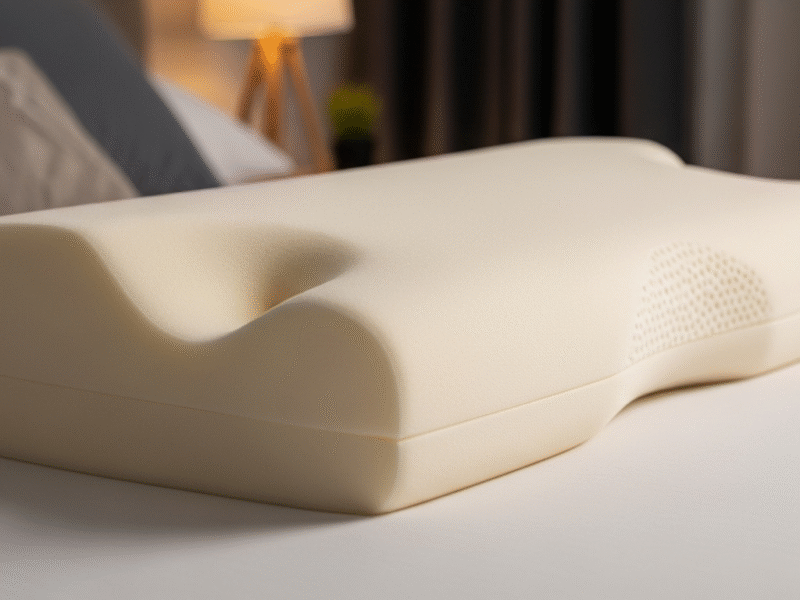
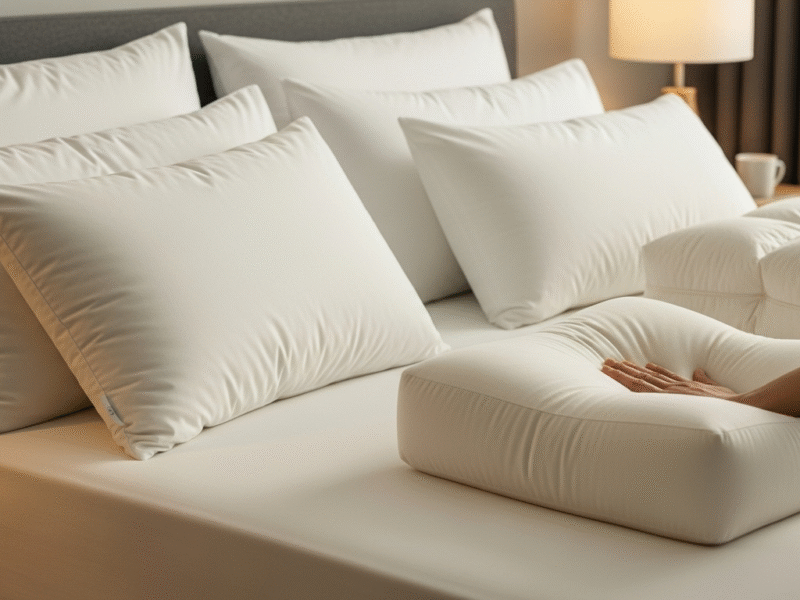
- 5. Elevate your legs above heart level. Elevate your legs for 15–20 minutes several times a day so gravity can assist venous return. For stable support at a comfortable angle, you may use the Medical leg pillow (for more about its intended use, read Why the Medical Leg Pillow Is More Than an Ordinary Pillow). You can also elevate the legs without a special product; a pillow may simply make the position easier to maintain.
Adequate hydration supports normal circulation and general health, but it is not a substitute for movement or medical care.
When might compression socks be appropriate?
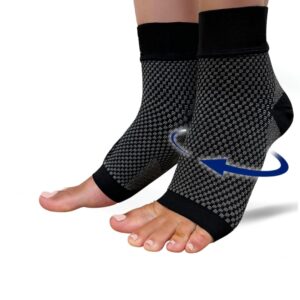
If you spend a great deal of time standing or sitting, properly fitted compression socks may help support venous return. If you have diagnosed varicose veins or have been prescribed medical compression, ask a clinician which type and pressure are appropriate. We discuss this further in our article on natural approaches to varicose veins, which also covers horse chestnut extract and the evidence for symptom relief in chronic venous insufficiency.
Restless legs or poor circulation?
An irresistible urge to move the legs that appears during rest in the evening and improves with movement may be a symptom of restless legs syndrome, a neurological condition rather than simply poor circulation. Symptoms and treatment options are described in How to Calm Restless Legs Syndrome.
Red flag: when swelling may be more than a circulation issue
Sudden swelling, pain, warmth, or redness in only one leg can be a sign of deep vein thrombosis (DVT), which requires urgent medical assessment. Cleveland Clinic lists one-sided leg swelling, sometimes with sudden onset, pain or tenderness, warmth in the affected area, and red or discolored skin among the characteristic signs of DVT (source: Cleveland Clinic). Seek urgent medical care if you notice a combination of these signs, especially in only one leg. Leg swelling with difficulty breathing or chest pain also requires emergency care. Do not try to manage these symptoms with exercises or rest.
When else should you see a doctor?
In addition to the warning signs above, consult a doctor if you develop skin wounds or ulcers that do not heal, if swelling does not resolve overnight despite rest and elevation, or if new enlarged veins appear and grow quickly. This article is for informational purposes and is not a substitute for a medical examination.
Frequently asked questions
Do I need to run or exercise intensely to improve circulation?
No. Walking, ankle circles, and calf raises can activate the calf muscle pump. Regular movement matters more than high intensity for this purpose.
Does poor circulation in my legs mean I will develop varicose veins?
Not necessarily. Blood pooling caused by remaining still can be temporary and reversible. Varicose veins involve weakened or damaged venous valves and have several risk factors, although movement can be useful in both situations.
How often should I break up sitting?
Stand and take at least a few steps during every hour of sitting. For long journeys, the CDC recommends getting up and walking every 2–3 hours. During an ordinary desk day, more frequent breaks may be helpful.
Do cooling gels and massage help?
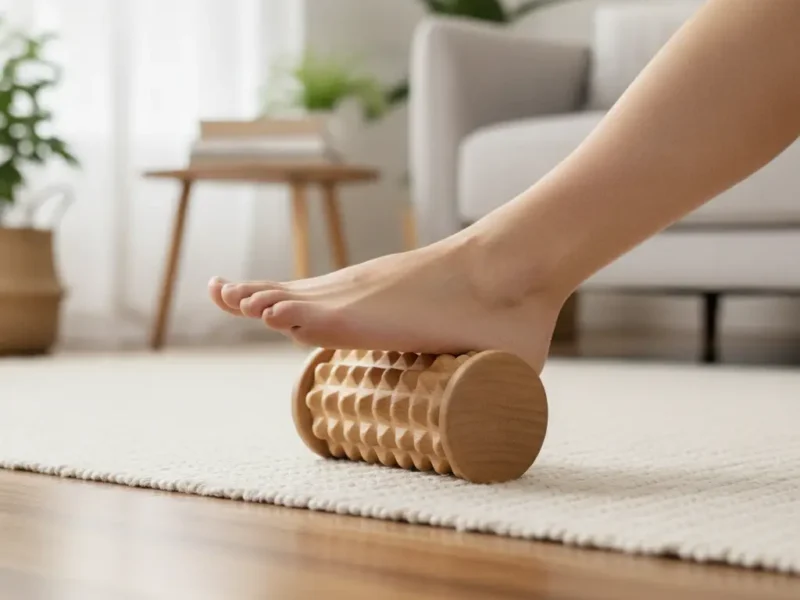
Gentle massage toward the heart may briefly ease the feeling of heaviness, but it does not replace movement. For information about products and horse chestnut extract in venous symptoms, see our article on varicose veins.
This article is for informational purposes and is not a substitute for consultation with a doctor. Seek medical advice for persistent or worsening leg symptoms.
Related: how to choose compression socks.
Related: leg cramps and circulation.
Related: proper leg-elevation technique.
Related: what helps swollen legs.
From our store
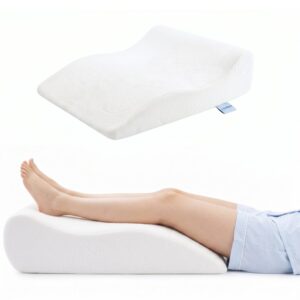
MEDICAL Leg Elevation Pillow