Heel spur (calcaneal spur): causes, symptoms, and treatment
A heel spur (calcaneal spur) is a bony growth on the heel bone that develops due to long-term stress where the plantar fascia attaches. About 15% of people have one, but most feel no pain from it. Heel pain is generally caused by inflammation of the fascia rather than the spur itself. More than 90% of cases can therefore be treated successfully without surgery.
This guide explains when a spur is actually responsible for pain, how it differs from plantar fasciitis, which treatments are supported by evidence, and which exercises and aids may help at home.
What is a heel spur?
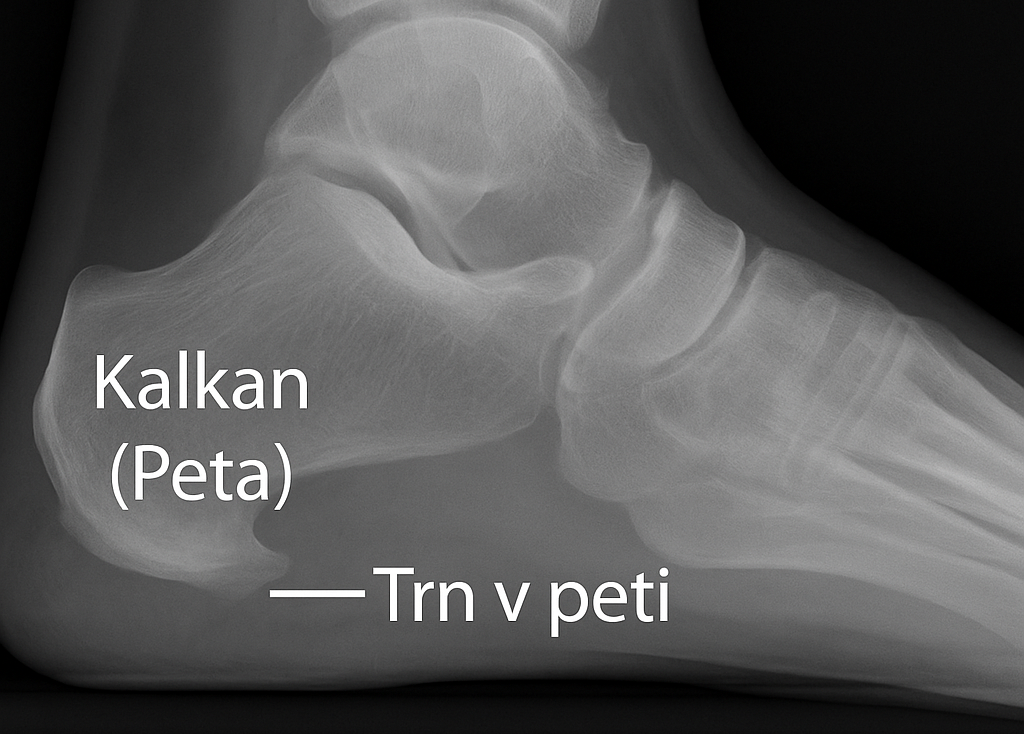
A heel spur, medically known as a calcaneal spur, is a growth formed from calcium deposits on the heel bone. It develops over months or years: the body responds to repeated irritation where the plantar fascia attaches by depositing calcium, which can eventually form a pointed, hooked, or shelf-like growth. According to the Cleveland Clinic , about 15% of people have a heel spur.
There are two forms: a lower (plantar) heel spur where the plantar fascia attaches, which is the most common form, and a posterior (dorsal) heel spur where the Achilles tendon attaches, also known as Haglund’s heel. For the causes and treatment of pain in this area, see the guide Achilles Tendon Pain.
Does a heel spur actually hurt?
Usually not. Most people with a heel spur do not even know they have one. A comprehensive review published in the Journal of Anatomy found that heel spurs are present in 11–21% of younger and middle-aged people and as many as 55% of people over age 62. In many people, the growth is entirely painless and is found incidentally on an X-ray.
Heel pain around the heel is almost always caused by irritated soft tissue, most often an inflamed plantar fascia (plantar fasciitis), with the spur simply occurring alongside it. According to the Cleveland Clinic , the spur generally does not need to be removed. Once inflammation of the fascia settles, the pain resolves even though the spur remains.
Heel spur or plantar fasciitis: what is the difference?
| Feature | Plantar fasciitis | Heel spur |
|---|---|---|
| What it is | Inflammation and micro-injuries of the plantar fascia (soft tissue) | A bony growth formed from calcium deposits on the heel bone |
| Does it hurt? | Yes, it is the main source of heel pain | Generally not; often an incidental finding |
| Diagnosis | Clinical examination | X-ray |
| Treatment | Stretching, insoles, and reduced loading | The same approach: treat the inflammation of the fascia, not the spur |
| Surgery | For only 5–10% of patients | Removal of the spur is rarely necessary |
The two conditions are closely linked. A spur is present in 59–78% of people with current or previous heel pain. Our guide explains in detail what plantar fasciitis is and how it is treated: Plantar Fasciitis: Causes, Symptoms, and Treatment.
What causes a heel spur, and who is most at risk?
A spur results from long-term mechanical stress on the heel bone. Factors that increase the risk include:
- Age: 98% of people with a spur are over age 40; after age 62, one in two people has one.
- Excess body weight: according to a research review, people with a spur are almost 7 times more likely to have obesity.
- Prolonged standing and walking on hard surfaces: occupations in healthcare, manufacturing, retail, and education.
- Foot biomechanics: flat feet with increased pronation or a markedly high arch. You can identify your foot type with the guide Pronation or Supination.
- Unsuitable or worn-out footwear: shoes without cushioning and arch support.
- Running and sports that involve jumping, especially when the level of activity increases suddenly.
How can you recognize the symptoms associated with a heel spur?
When a spur occurs with inflammation of the fascia, the symptoms are the same as those of plantar fasciitis:
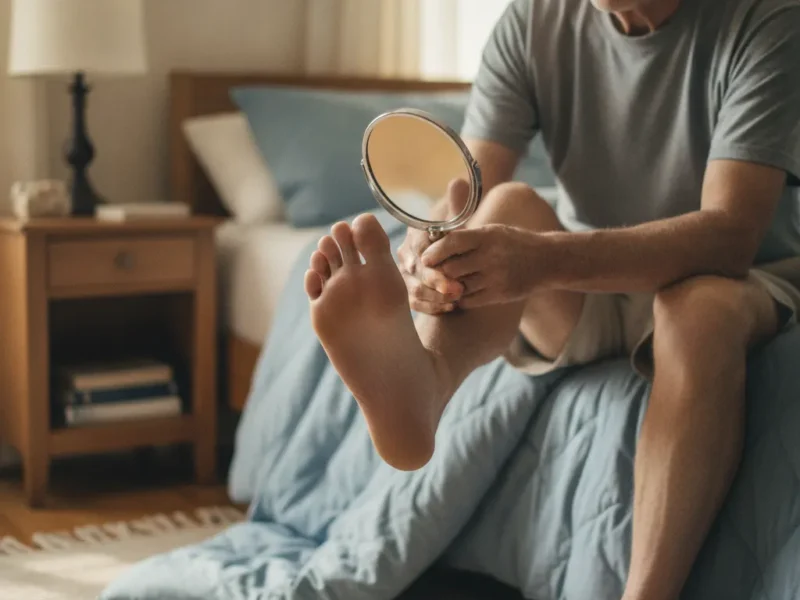
- a sharp, stabbing pain on the underside of the heel, as if you had stepped on a nail,
- pain that is worst with the first steps in the morning and eases with movement (we explain why in the article Why Does My Heel Hurt So Much in the Morning?),
- pain after prolonged sitting or standing,
- tenderness when pressure is applied to the heel, sometimes with mild swelling or warmth.
How is a heel spur diagnosed?
A doctor can generally assess heel pain from your history and an examination of your foot. The spur itself is confirmed with an X-ray, but this is usually unnecessary before beginning treatment. The presence of a spur does not change the approach, which focuses on treating the inflamed soft tissue. Imaging may be appropriate when pain persists despite several months of treatment or when another cause, such as a stress fracture or pinched nerve, is suspected.
How is a heel spur treated?
A heel spur is treated in the same way as plantar fasciitis, with conservative measures, reduced loading, and stretching. According to the American Academy of Orthopaedic Surgeons (AAOS), more than 90% of patients recover within 10 months without surgery.
1. Stretches for the fascia and calf muscles
Stretching is the foundation of treatment and has the strongest evidence. Do the exercises every day, ideally in the morning before getting out of bed and after every prolonged period of sitting:
- Plantar fascia stretch: while seated, cross one leg over the other, grasp your toes, and gently pull them toward you until you feel a stretch in the sole. Hold for 30 seconds and repeat 3 times.
- Wall calf stretch: place one leg behind you with the knee straight and the heel on the floor, then lean toward the wall. Hold for 30 seconds, then switch legs.
- Ball massage: roll a tennis or massage ball under your foot from the heel toward the toes.
- Towel scrunches with the toes: strengthen the small muscles of the foot.
You can find detailed instructions and demonstrations in the article 5 Key Exercises for Plantar Fasciitis or in the video below.
2. Shoe insoles and suitable footwear
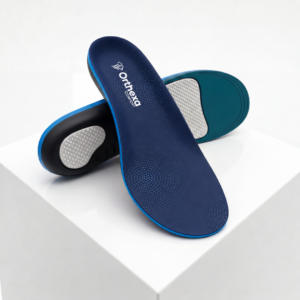
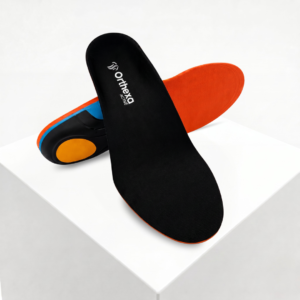
Insoles with arch support and heel cushioning distribute pressure more evenly and reduce the load where the fascia attaches with every step. According to a Cochrane review of the research , over-the-counter insoles are as effective at relieving pain as custom-made insoles. A practical option for both everyday use and sports is the Active + Comfort shoe insole set, and you can find the full range under shoe insoles.
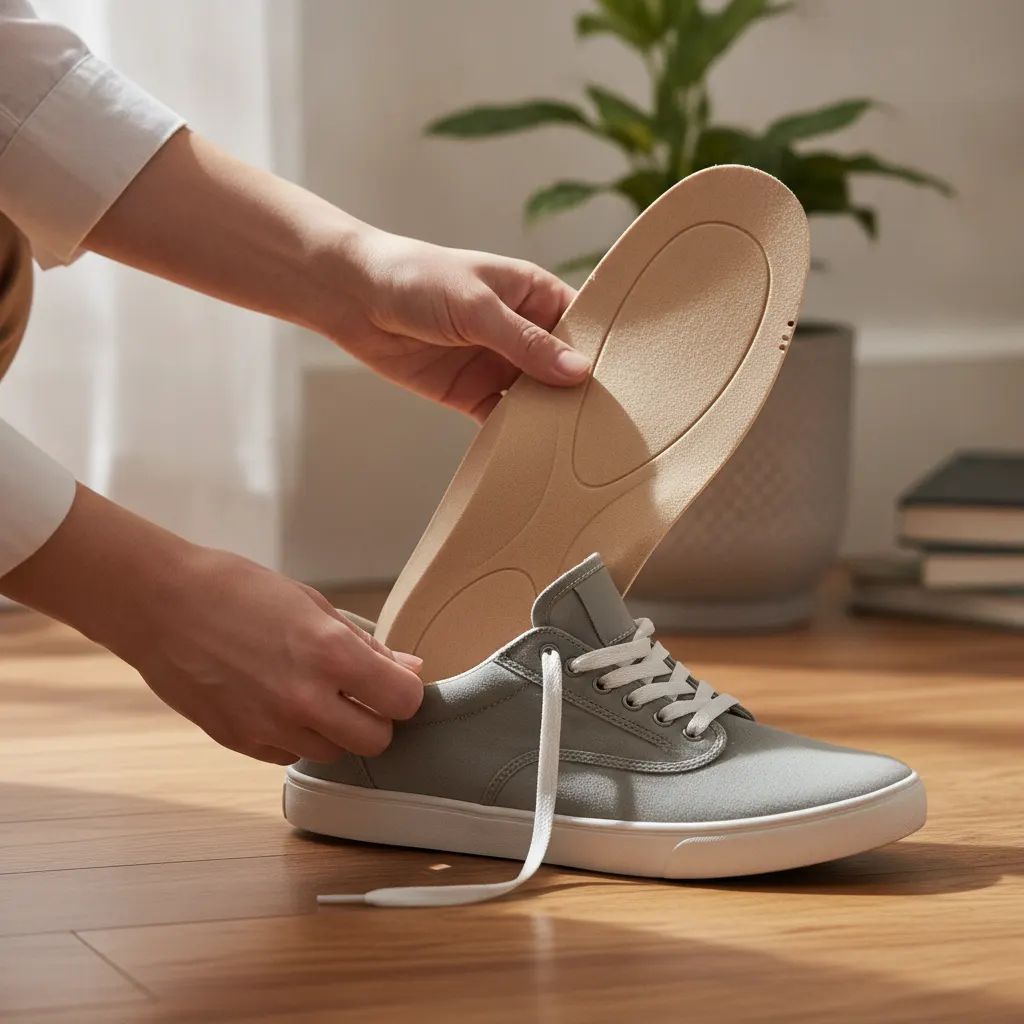
Choose shoes with cushioning, a firm heel counter, and arch support. During recovery, avoid flip-flops, completely flat soles, and walking barefoot on hard floors.
3. Cold therapy and activity adjustments
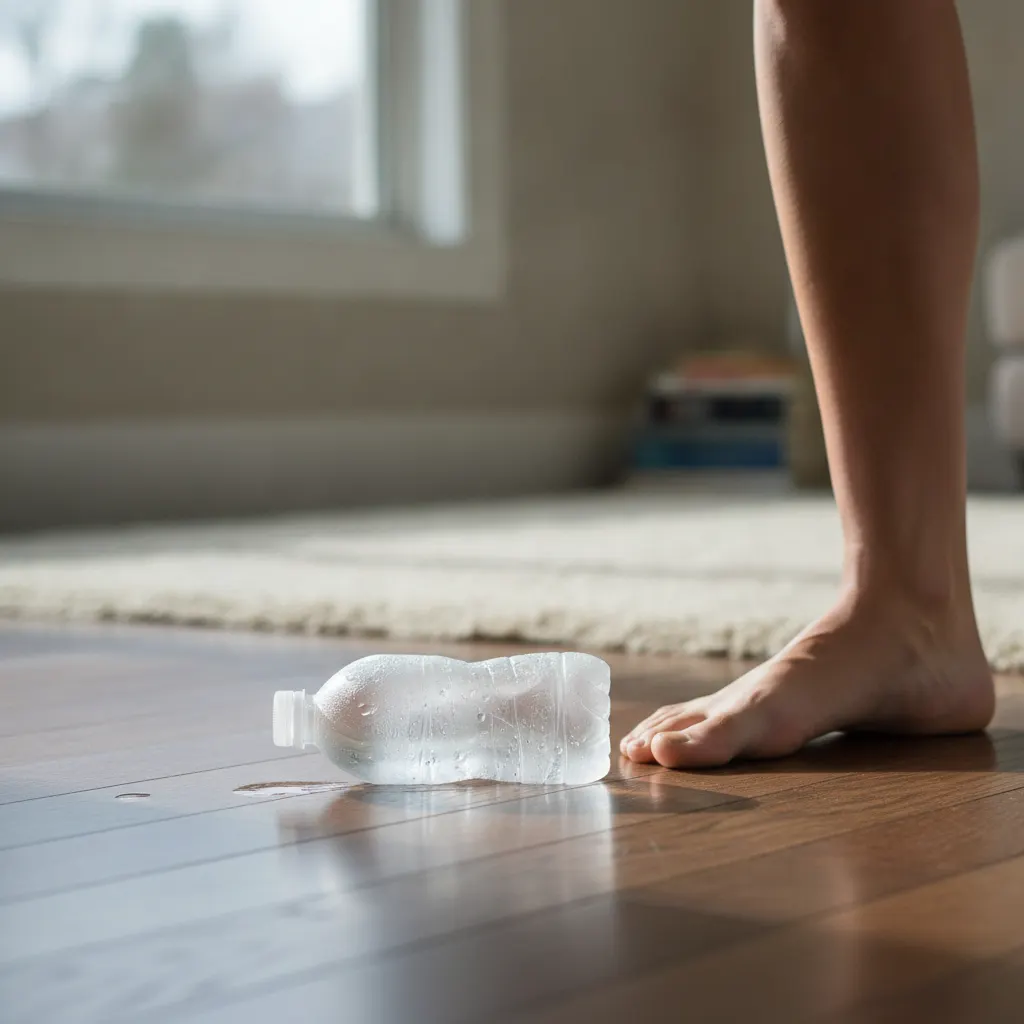
Apply cold to the inflamed area for 15–20 minutes several times a day. One simple technique is to roll a frozen water bottle under your foot, which cools and massages the fascia at the same time. Complete rest is not necessary, but temporarily reduce running, jumping, and prolonged standing and replace them with cycling or swimming.
4. Shock wave therapy, injections, and surgery
If several months of consistent conservative treatment have not led to improvement, additional methods may be considered. According to a meta-analysis of nine studies involving 935 patients , extracorporeal shock wave therapy (ESWT) is more effective than placebo, although the benefit is moderate. Corticosteroid injections can reduce inflammation quickly, but doctors use them cautiously because repeated injections may weaken the fascia. Surgery is reserved for rare cases after 9–12 months of unsuccessful treatment. Even then, the spur is often left in place and the tight fascia is released instead.
How can you prevent a heel spur from developing or returning?
- Stretch your calf muscles and the sole of your foot regularly, even after the pain resolves.
- Maintain a healthy body weight, as obesity increases the risk almost 7-fold.
- Replace worn-out footwear and use arch support.
- Increase physical activity gradually (by about 10% per week).
- If your job requires standing, take breaks and use a softer surface where possible.
Frequently asked questions about heel spurs
Does a heel spur go away on its own?
The bony growth itself does not go away, but removing it is not the aim of treatment. Once reduced loading and stretching calm the inflammation of the plantar fascia, the pain resolves while the spur remains without causing pain, as it does in most people who do not even know they have one.
Can a heel spur be dissolved?
No. Home remedies such as vinegar compresses or special diets cannot dissolve a bony growth, and there is no scientific evidence that they can. Effective measures focus on calming inflammation in the soft tissue through stretching, reduced loading, cold therapy, and suitable foot support.
How long does treatment take?
Most people begin to improve after a few weeks of consistent stretching and reduced loading, and more than 90% of patients recover in about 10 months without surgery. In general, the longer you delay addressing the pain, the slower the recovery may be.
Is walking harmful if you have a heel spur?
Moderate walking in supportive shoes with insoles is acceptable as long as the pain remains mild. Prolonged standing, walking barefoot on hard floors, and high-impact sports can make it worse during the acute phase, so temporarily reduce these activities.
When should I see a doctor?
See a doctor if the pain is severe, persists despite several weeks of self-care, or if you have tingling or numbness in your foot, swelling with redness, or diabetes. A doctor can rule out other causes and recommend imaging or advanced treatments if needed.
This content is for informational purposes and is not a substitute for consultation with a doctor or physical therapist. Seek professional advice for severe or persistent pain.
From our store
Active sports insoles