
Insoles for people with diabetes: what to know
General comfort insoles do not treat diabetic foot complications and do not replace a professional foot examination. If you have diabetes, particularly with neuropathy, a foot deformity, poor circulation, or a previous wound or ulcer, consult your diabetes care team or a podiatrist before buying insoles. This guide covers urgent warning signs, daily foot checks, and when a general insole may or may not be appropriate.
This content is for general information and does not replace medical or podiatric advice. Orthexa sells general comfort and orthopedic products and is not a healthcare provider. Orthexa insoles are not custom therapeutic offloading devices and do not replace a podiatric assessment.
Warning signs that need same-day care
A foot wound can worsen without much pain when neuropathy reduces sensation. The United Kingdom’s NHS advises seeking same-day care from your diabetes care team, podiatrist, urgent care clinic, or emergency department for the following signs. Do not wait for a routine appointment:
- a new cut, blister, wound, or foot ulcer, particularly one that is not healing;
- redness or a change in skin color;
- new warmth, swelling, pain, or tenderness in part of the foot;
- pus, drainage, or an unpleasant odor;
- blackened or dead-looking tissue;
- a sudden change in foot shape or marked swelling of one foot without a clear cause, which can occur with Charcot foot.
Reference: Kent Community Health NHS Foundation Trust: Diabetes footcare advice. Recognizing these signs is more urgent than choosing an insole.
Why are feet more vulnerable in diabetes?
Over time, high blood glucose can damage nerves and blood vessels. Neuropathy may reduce the ability to feel touch, temperature, and pain, while impaired circulation can slow healing. As a result, a person may not notice a pebble in a shoe, a blister, or another injury. Research estimates that 19% to 34% of people with diabetes develop a foot ulcer during their lifetime, and the burden is expected to rise as people live longer with increasingly complex disease.
Reference: Armstrong et al., Diabetes Care (American Diabetes Association), “Etiology, Epidemiology, and Disparities in the Burden of Diabetic Foot Ulcers,” 2023.
Why general Orthexa insoles do not treat diabetic foot complications
The safety distinction is essential: Comfort insoles are general products for everyday footwear. They are not prescribed custom offloading devices or a substitute for a podiatric assessment. With neuropathy, a poorly fitted insole can shift pressure to another part of the sole without causing enough pain to warn that skin damage is developing.
Guidance from the International Working Group on the Diabetic Foot (IWGDF) and a JAMA review distinguishes well-fitting conventional footwear for people at lower risk from custom insoles or therapeutic footwear for people with higher-risk features such as neuropathy, poor circulation, deformity, or a previous ulcer. Higher-risk footwear decisions require professional assessment. custom insoles or therapeutic footwear prescribed by a qualified clinician . A meta-analysis cited in the review reported fewer new foot ulcers with prescribed therapeutic footwear than with conventional footwear, 13.3% versus 25.4%, in the studied population.
Reference: Everett and Mathioudakis, “Diabetic Foot Ulcers: A Review,” JAMA, 2023 (including the IWGDF risk classification).
What this means for you If you have neuropathy symptoms such as tingling or numbness, a foot deformity such as hammertoes or a bunion, poor circulation, or a history of a foot wound or ulcer, do not select an insole on your own. Ask your diabetes care team or a podiatrist to assess your risk and determine whether well-fitting conventional footwear is sufficient or you need prescribed therapeutic footwear or custom offloading.
Daily foot-check routine
Because neuropathy can make an injury painless, visual inspection is essential. NHS advice includes the following daily routine:
- Inspect both feet every day, including the soles. Use a handheld mirror or ask someone you trust for help if you cannot see the underside.
- Check inside each shoe before putting it on by feeling for stones, rough seams, folded lining, or other objects that could damage the skin.
- Avoid walking barefoot, including at home, because a cut or abrasion may go unnoticed.
- Do not place hot-water bottles or heating pads on your feet or warm them directly beside a fire or radiator. Reduced temperature sensation can allow a burn to occur without warning.
Reference: Kent Community Health NHS Foundation Trust: Diabetes footcare advice.
When might a general comfort insole be appropriate?
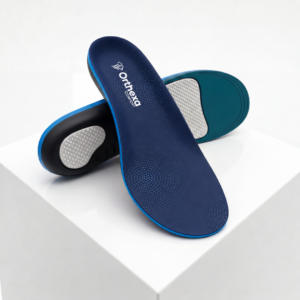
A general insole may be an option only after your diabetes care team or podiatrist has assessed your feet and confirmed that conventional, well-fitting footwear is appropriate. For a person without significant neuropathy, deformity, poor circulation, or previous wounds who wants additional everyday comfort, one option is Comfort orthopedic shoe insoles. This is a general comfort product, not a therapeutic offloading insole. It does not treat neuropathy, poor circulation, deformity, or diabetic foot disease.
For general information about choosing insoles and evaluating product claims, read 6 myths about shoe insoles: what the evidence says. Browse the full shoe insoles. If you spend much of the day standing, you may also read Standing work: how to survive 8 hours without pain , which provides general advice and is not specific to diabetic foot care.
Frequently asked questions
Can I choose the insoles myself if I have diabetes?
Ask your diabetes care team or podiatrist. Even when you have no known neuropathy, deformity, circulation problem, or previous ulcer, a clinician should confirm whether conventional footwear and a general insole are appropriate. A poorly fitted insole can create pressure that a numb foot may not detect.
How often should I check my feet?
Inspect your feet every day, including the soles. Use a handheld mirror if needed. Have a comprehensive foot examination at least annually, or more often if your healthcare team recommends it based on your risk.
Do Comfort insoles treat or prevent diabetic foot?
No. Comfort insoles are general products for everyday comfort. They are not custom therapeutic offloading devices and do not prevent or treat diabetic foot disease.
Which signs should I take seriously and seek help for the same day?
Seek same-day care for any new wound or ulcer, redness, unusual warmth, swelling, pus or drainage, unpleasant odor, blackened tissue, or sudden change in foot shape. Contact your diabetes care team, podiatrist, urgent care clinic, or emergency department.
Summary
Foot care with diabetes centers on daily inspection, risk-appropriate professional examinations, and prompt care for new problems. A general comfort insole may improve comfort only when a clinician has confirmed that it is appropriate. If you are uncertain about your risk, begin with your diabetes care team or a podiatrist rather than a purchase.
From our store