
Neck and shoulder self-massage: gentle techniques and safety
Neck and shoulder tension can be uncomfortable and may occur with sustained positions, stress, sleep, or physical activity. Gentle massage may provide short-term comfort for some people, but it does not address every cause of pain. This guide covers low-pressure self-massage, movement, workstation habits, and signs that need medical care.
What can contribute to neck and shoulder tension?
Symptoms often reflect several factors, and pain cannot be diagnosed from muscle tightness alone.
Common contributors
- Sustained sitting and screen use: long periods at a computer or looking down at a phone can fatigue the neck and shoulder muscles, particularly when the position does not change.
- Stress: stress can increase muscle activity and pain sensitivity. Persistent stress may contribute to symptoms without being their only cause.
- Sleep position: stomach sleeping or an unsuitable pillow can leave the neck in an uncomfortable position for hours and contribute to morning stiffness.
- Physical load: repetitive work, sport, or heavy lifting can overload muscles and other tissues.
Recognizing symptoms
Neck symptoms have many possible causes. Note what activities trigger them, whether they improve with movement, and whether neurologic or other warning signs are present.
The most common symptoms include:
- Stiffness and limited mobility: You have difficulty turning your head to the side or tilting it without feeling pain.
- Dull, constant pain: A feeling of tightness and pain in the trapezius muscles (between the neck and shoulders).
- Tender areas: localized tenderness or taut areas may be described as “knots,” although their exact mechanism is more complex than a simple muscle cramp.
- Headaches: Neck muscle tenderness can occur with tension-type headaches, but a new or severe headache needs assessment.
- Tingling or numbness: Tingling, numbness, or weakness extending into an arm may indicate nerve involvement and should not be treated with deep self-massage.
Massage options for the neck and shoulders
Massage may reduce pain or tension temporarily for some people. Use gentle pressure and stop if symptoms increase.
Professional therapeutic massage
For persistent symptoms, a qualified clinician can assess the cause before massage. A massage therapist may use techniques such as:
- Swedish massage: uses long, generally lighter strokes for comfort and relaxation.
- Deep tissue massage: uses firmer pressure on selected soft tissues. It is not appropriate for every condition and should not be painful.
- “Trigger point” therapy: applies pressure to tender areas in muscle. Evidence and responses vary, and these points should not be assumed to be the sole cause of pain.
Massage prices and appointment lengths vary substantially by country, location, provider credentials, and treatment type. Check current local listings and professional registration requirements.
Self-massage at home
For mild muscular discomfort without warning signs, gentle self-massage may provide short-term relief. Avoid forceful pressure, the front or side of the neck, the spine itself, injured tissue, and any area with swelling, redness, a lump, or altered sensation.
A gentle three-minute routine:
- Kneading the upper trapezius: use the opposite hand to gently hold the muscle between the neck and shoulder. Apply comfortable pressure for 10–15 seconds, release, and repeat on the other side. Stop for dizziness, headache, tingling, or radiating pain.
- Neck massage: Place the fingertips on the muscles at the back of the neck, not on the vertebrae or the front or sides of the neck. Use small, gentle movements without forcing the head.
- Suboccipital area: place the fingertips or thumbs lightly on the muscles just below the base of the skull. Use gentle circles and stop if this triggers headache, dizziness, nausea, or visual symptoms.
Other self-care options
Some people combine brief self-massage with gentle movement or stretching. Neither is guaranteed to prevent symptoms from returning.
Comparison of self-help techniques
This table compares several approaches that can be used at home when no warning signs are present.
| Technique | Description | Possible use | Advice |
|---|---|---|---|
| Hand self-massage | The use of fingers and palms for kneading and pressing on tense muscles. | Brief comfort in easily reached muscles. | If using oil or cream, avoid products that irritate the skin and keep them away from the eyes. |
| Use of a tennis ball | Place the ball between the upper back and a wall, away from the spine, ribs, and front or side of the neck. Shift body weight gradually. | Pressure on selected upper-back muscles. | Control pressure by changing how strongly you lean into the wall. Stop for sharp, radiating, or neurologic symptoms. |
| Warm compresses | Use a comfortably warm towel, covered hot-water bottle, or warm shower for 15–20 minutes. Avoid burns and do not apply heat where sensation is reduced. | Temporary comfort for general muscle stiffness. | Use when comfortable; heat has not been shown to improve overnight tissue recovery. |
| Stretching exercises | Gentle, controlled movement within a comfortable range. | Maintaining comfortable movement; it does not guarantee prevention. | Brief movement breaks can be repeated during the day if they do not worsen symptoms. |
Simple daily movements
Move slowly and stay within a comfortable range. Do not force a stretch or use a hand to pull the head if this increases symptoms.
- Tilt of the head to the side: Sit comfortably and let the head tilt gently toward one shoulder until you feel a mild stretch. Hold for up to 30 seconds and repeat on the other side. Keep the shoulder relaxed and do not pull forcefully.
- A look over the shoulder: Sit comfortably and slowly turn the head to the right within a pain-free range. Hold for 15–30 seconds if comfortable, then change sides.
- Shoulder circles: Slowly roll the shoulders 10 times backward and 10 times forward while breathing normally.
5 stretches to try after an hour of sitting 5 stretching exercises you must do after every hour of sitting, which provides more ideas for movement breaks.
Reducing recurring tension
Varying position, managing activity load, sleeping comfortably, and addressing stress may reduce aggravating factors. No single habit prevents every episode.
Workstation fit and movement
Adjust the monitor, keyboard, mouse, chair, and desk so you can work without sustained reaching or neck flexion. An elbow angle near 90 degrees and feet supported on the floor or a footrest are useful starting points. Change position regularly. Read Home office ergonomics: reducing back and neck strain.
Sleep comfort
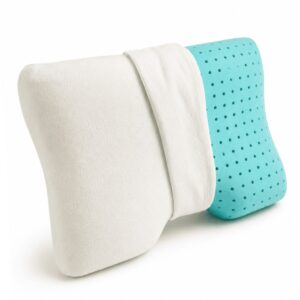
A pillow that suits your sleeping position and body shape may reduce awkward neck positioning. Pillow fit is only one possible factor in morning stiffness. One consumer option is the Memory orthopedic contour pillow. It is designed to contour around the head and neck, but it does not guarantee reduced pressure, complete muscle relaxation, or pain relief.
When should you seek medical care?
Do not massage the neck or shoulder as a substitute for assessment when pain follows trauma or occurs with neurologic or systemic symptoms. Seek prompt care for:
- a sudden or severe headache, marked dizziness, fainting, new visual changes, or vomiting;
- new or worsening tingling, numbness, or weakness in an arm or hand;
- pain after a fall, collision, or other injury;
- pain that persists, worsens, or does not begin improving with appropriate self-care.
Safety note: This article provides general information and does not replace medical advice. Consult a doctor or physical therapist about persistent, severe, traumatic, or neurologic symptoms.
Gentle care for neck and shoulder tension
For mild muscular tension, gentle self-massage, comfortable movement, workstation adjustments, and regular breaks may help. Use light pressure, avoid vulnerable areas of the neck, and seek assessment when symptoms persist or warning signs appear.
From our store