
Pain between the shoulder blades: causes, self-care, and warning signs
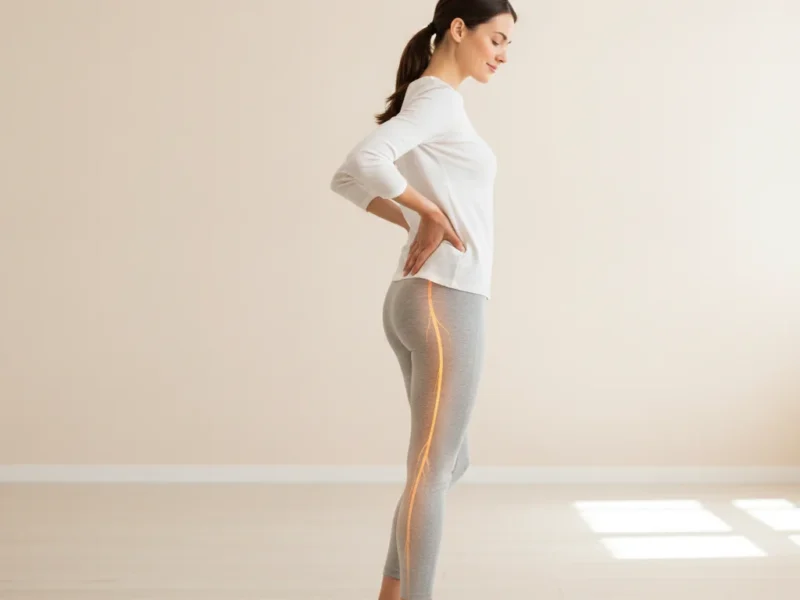
Pain between the shoulder blades often comes from muscles, joints, or the neck and may be aggravated by sustained sitting or repetitive arm work. It can also be referred from the chest or internal organs. Because location alone cannot identify the cause, it is important to recognize chest, breathing, neurologic, trauma, and systemic warning signs.
What can cause pain between the shoulder blades?
Sustained sitting or repetitive work can fatigue the upper-back muscles, including the trapezius and rhomboids. A fixed position may feel uncomfortable even without a single “bad posture.” The Cleveland Clinic lists muscle strain, posture, injury, and several other conditions among causes of upper-back pain.
Another possible contributor is myofascial pain and tender points . These may feel like localized tender bands or “knots” in the trapezius or rhomboid area. The figure of up to 85% has been cited for lifetime experience of myofascial pain, but estimates and definitions vary. The thoracic spine, ribs, and surrounding muscles can also produce pain with movement or a deep breath.
Pain between the shoulder blades may also be referred from the neck. Neck joints, muscles, or nerves can produce symptoms around a shoulder blade. If neck symptoms occur as well, read about cervicalgia. Less commonly, pain may be referred from the esophagus, stomach, gallbladder, heart, lungs, or major blood vessels. Heartburn can cause burning behind the breastbone and sometimes discomfort into the back. See the heartburn guide, and review the emergency warning signs below.
Can the pain pattern identify the cause?
The pattern can provide clues, but it cannot establish a diagnosis by itself. Burning or aching that increases after sustained desk work can occur with muscle fatigue or myofascial pain. Burning pain can also have nerve, skin, or referred causes. Sharp or stabbing pain with a deep breath or trunk movement can come from the chest wall, ribs, thoracic spine, pleura, or lungs. Seek urgent care for sudden or severe pain, shortness of breath, coughing blood, fever with breathing difficulty, fainting, or chest pressure.
Self-care for mild symptoms without warning signs
If symptoms are mild and clearly associated with desk work, adjust the monitor and input devices, support the forearms, and vary your position. Read the home office ergonomics guide, and the article about posture while sitting.
Take regular movement breaks rather than holding one position for hours. For examples, see 5 stretches to try after sitting. A comfortably warm shower or covered heating pad may provide temporary relief. Protect the skin and avoid heat where sensation is reduced. Gentle self-massage with a ball against a wall may be comfortable, but avoid the spine, ribs, forceful pressure, and any injured or inflamed area.
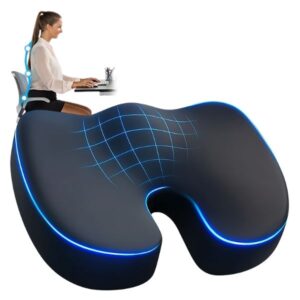
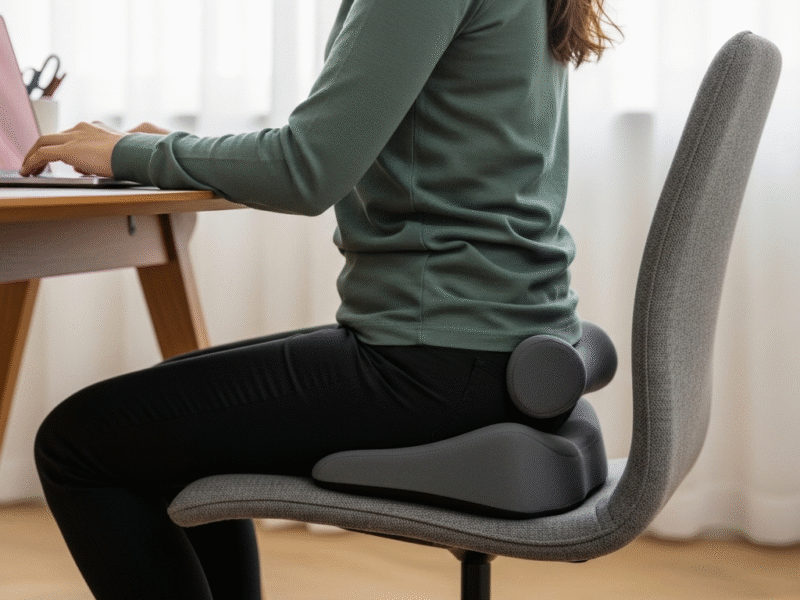
Long periods of sitting can affect several parts of the body. Read prolonged sitting and ways to reduce sedentary time. A lumbar or seat cushion may improve comfort for some people without automatically correcting the upper back. Product options include the Lumbaris back support cushion or ComfortLux orthopedic seat cushion. Browse the orthopedic cushion category.

Which exercises may help muscular upper-back discomfort?
The following five movements may be appropriate for mild, nontraumatic muscular discomfort. Stay within a comfortable range and stop for chest pain, shortness of breath, dizziness, radiating symptoms, numbness, or weakness.
- Scapular retraction: Sit comfortably and gently draw the shoulder blades toward each other without shrugging. Hold for 3 seconds, relax, and repeat up to 10 times.
- Chest muscle stretch in the doorway: Place the forearms on a door frame around shoulder height and lean forward gently until you feel a mild chest stretch. Hold for up to 30 seconds without forcing it.
- Cat-cow: On hands and knees, move slowly between a comfortable arched and rounded position for up to 10 repetitions. Keep the neck comfortable rather than lifting the gaze forcefully.
- Shoulder circles: Sit comfortably and make 10 slow shoulder circles in each direction.
- Thoracic extension over a foam roller: place the roller across the upper back rather than directly beneath the neck or lower back. Support the head and extend gently only if this is safe for you. Avoid this exercise after trauma or with osteoporosis, fracture risk, or unexplained pain unless a clinician approves it.
Overview of possible causes and measures
| Cause | Possible pattern | Possible next steps |
|---|---|---|
| Sustained sitting or workstation demands | Aching that increases toward the end of desk work | Change position, take movement breaks, and adjust the workstation |
| Myofascial pain or tender muscle areas | Localized aching or burning and tenderness to pressure | Gentle heat or self-massage if safe; assessment if persistent |
| Thoracic spine, rib, or chest-wall pain | Pain reproduced by trunk movement or deep breathing | Clinical assessment when severe, persistent, traumatic, or associated with breathing symptoms |
| Pain referred from the neck | Upper-back pain with neck pain or arm symptoms | Assess and address the neck-related cause; see the cervicalgia article |
| Reflux or another digestive cause | Burning behind the breastbone after meals, sometimes extending toward the back | Discuss persistent or concerning symptoms with a clinician; see the heartburn guide |
When should you see a doctor?
This information cannot determine whether pain is muscular. Seek medical advice when upper-back pain is new, persistent, unexplained, or associated with warning signs.
The United Kingdom’s NHS advises medical assessment for pain in the upper back between the shoulders, especially when it persists for several weeks, worsens at night, or occurs with unexplained weight loss, fever, or feeling generally unwell. Seek urgent care after a significant injury or when upper-back pain occurs with chest pain.
Pain from the heart needs particular attention. The National Heart, Lung, and Blood Institute (NHLBI) notes that angina may cause pressure or pain that spreads to the shoulders, arms, neck, jaw, or back, often with exertion. Call local emergency services immediately for sudden upper-back pain with chest pressure, shortness of breath, sweating, nausea, faintness, or pain spreading to an arm or the jaw.
Another rare emergency pattern is sudden, severe, tearing, ripping, or sharp pain in the chest or upper back. The Cleveland Clinic describes this as a possible symptom of aortic dissection, particularly with fainting, stroke-like symptoms, or a pulse difference. Call local emergency services immediately.
Frequently asked questions
What does a burning pain between the shoulder blades mean?
Burning can occur with muscle fatigue or myofascial pain after sustained activity, but it can also reflect nerve, skin, digestive, or other causes. Seek assessment if it is persistent, severe, unexplained, or associated with other symptoms.
Why does it hurt me between the shoulder blades when I take a deep breath?
Pain with breathing can come from the chest wall, ribs, thoracic spine, pleura, or lungs. Seek urgent care if it is sudden or severe or occurs with shortness of breath, coughing blood, fever with breathing difficulty, chest pressure, or fainting.
Can pain between the shoulder blades be related to the heart?
It can. Heart-related pain may spread to the back, shoulders, arms, neck, or jaw, especially with exertion or chest pressure. Call local emergency services immediately for a possible heart attack.
How quickly can I relieve pain between my shoulder blades at home by myself?
Mild symptoms associated with sustained desk work may improve over days with movement and workstation changes, but there is no fixed timeline. Seek assessment if pain is persistent, worsening, or unexplained.
Can sitting supports help?
A lumbar or seat cushion may improve comfort and fit for some people, but it does not guarantee “correct posture” or relieve every cause of upper-back pain.
Related: corrector for rounded posture.
From our store
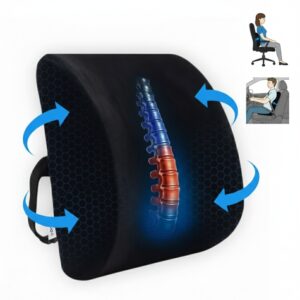
LUMBARIS Back Support Cushion