Why Can Stress Make Your Muscles Hurt? What May Help
Do you feel as though you carry the weight of the world on your shoulders? After a demanding workweek, do you have persistent pain in your neck, shoulders, or lower back? You are not alone. Many people do not realize that stress may contribute to these symptoms. Emotional and psychological tension can manifest as physical pain. In this article, we examine the effects of stress on muscle pain, explain why it happens, and offer practical ways to ease symptoms.
How can stress trigger muscle pain?
To understand the connection, first consider how the body responds to stress. In a stressful situation, the body activates an ancient mechanism known as the “fight or flight” response. Designed for survival, this response prepares the body for danger. Stress hormones such as adrenaline and cortisol are released, heart rate and blood pressure rise, and muscles tense automatically in preparation for action.
In modern life, we rarely face life-threatening danger, but the body may respond similarly to everyday stressors such as work deadlines, financial worries, or family conflict. Because these “threats” do not require a physical response, muscle tension may persist. Prolonged tension can contribute to stiffness, reduced local circulation, and pain.
Muscle pain and stress: symptoms you should not ignore
The relationship between stress and muscle pain can appear in several ways. Pay attention to the following symptoms, especially when they occur during periods of increased stress:
- Persistent neck and shoulder pain: a hard, stiff feeling in the neck and “knots” in the shoulder muscles are common signs.
- Lower back pain: stress often aggravates lower back pain, partly through unconscious muscle tension and partly through poor posture while sitting.
- Tension headaches: pain that begins at the back of the head or neck and spreads toward the forehead is often associated with tight neck and shoulder muscles.
- Jaw pain: unconscious clenching and grinding of the teeth (bruxism), especially at night, is a common response to stress and can cause pain in the jaw joint.
- General muscle pain and fatigue: stress can sometimes appear as a general, poorly defined ache throughout the body, similar to the aches experienced with flu.
The connection between stress and neck and back pain
Some parts of the body are particularly sensitive to the physical effects of stress. The neck, shoulders, and back are often among the first places where people feel the effects of psychological strain.
How does stress affect back pain?
Posture often changes under stress. We may slouch unconsciously and bring the shoulders forward, adding strain to muscles in the upper and lower back. Persistent muscle tension can cause stiffness and discomfort and may aggravate existing back pain. Long periods of office sitting combined with stress can contribute to persistent lower back pain.
The connection between stress and neck pain
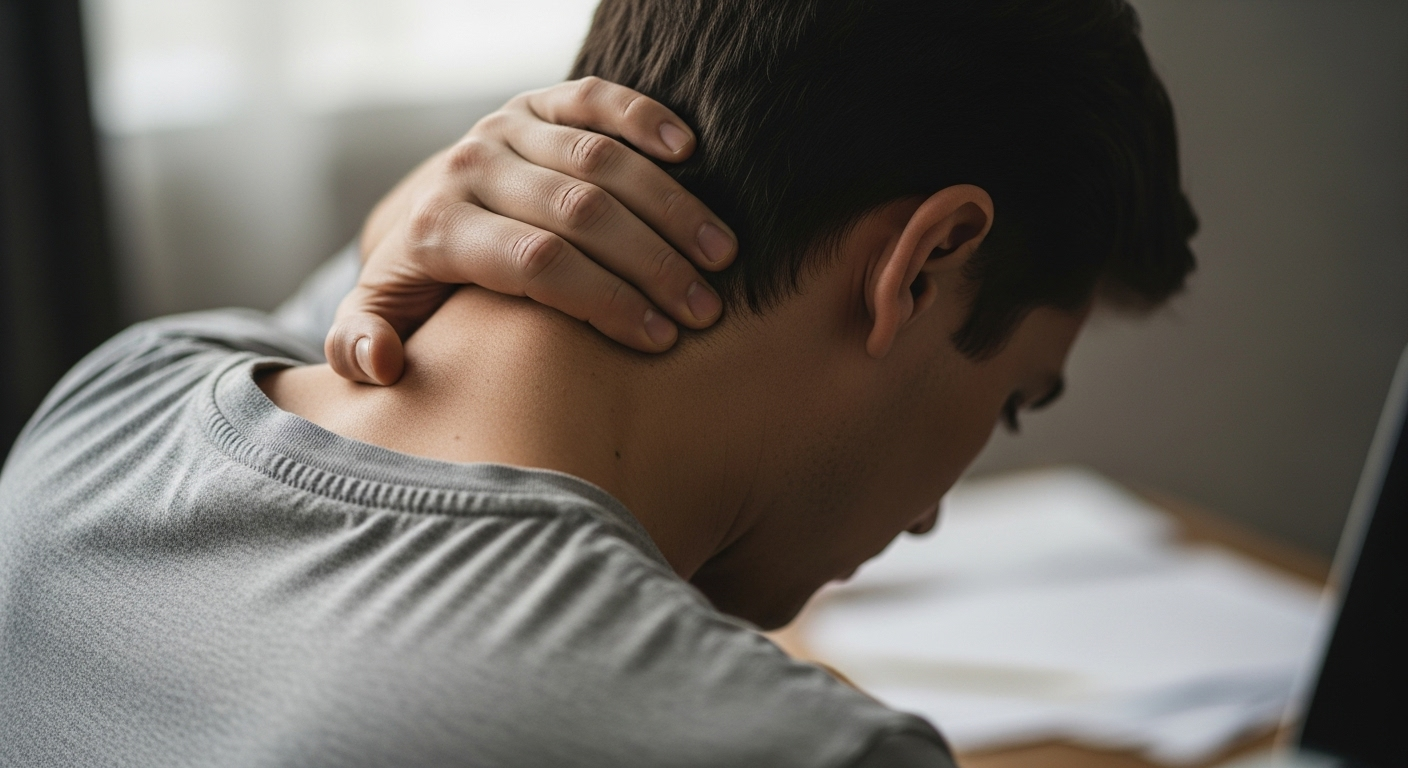
The neck and shoulder muscles often carry the physical effects of emotional strain. During stress, people may unconsciously raise and tighten their shoulders. Persistent contraction can reduce mobility and cause stiffness or sharp pain that may radiate into the head or arms. An unsuitable sleeping position can make symptoms worse. Learn more in our article 3 Tips for Relieving Neck Pain.
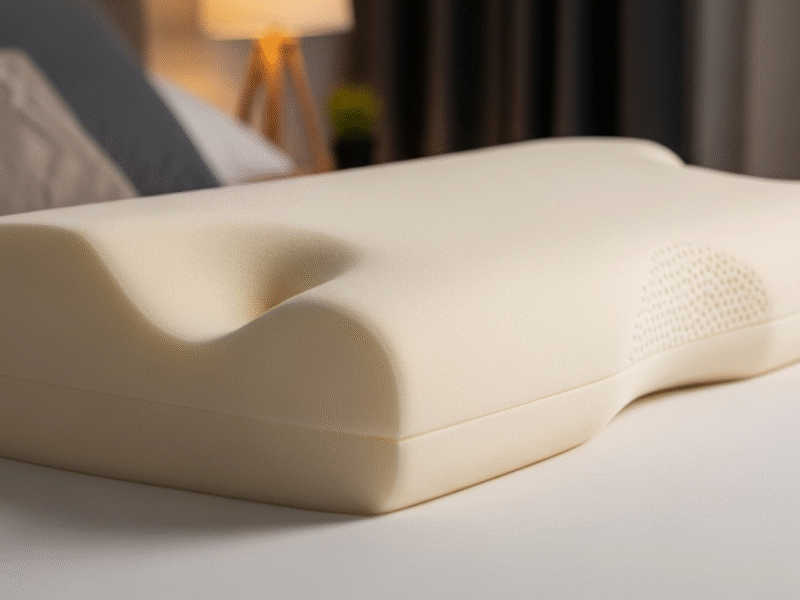
Good sleep supports muscle recovery. If neck pain bothers you, consider whether your pillow is suitable. Memory contoured pillow is designed to support the cervical spine and maintain alignment during sleep.
How to reduce stress and muscle pain: practical steps
Suitable techniques and lifestyle changes may reduce both stress and associated muscle pain. Addressing both stress levels and muscle tension can be helpful.
Relaxation and mindfulness techniques
Relaxation techniques may help calm the nervous system and interrupt a cycle of tension. Consider the following methods:
- Deep breathing: focused diaphragmatic breathing may slow heart rate and lower blood pressure. Take a few minutes each day, sit comfortably, place one hand on your abdomen, and slowly inhale through your nose so the abdomen rises. Then exhale slowly through your mouth.
- Progressive muscle relaxation: this technique involves deliberately tensing and then relaxing individual muscle groups throughout the body. It can help you learn to recognize the difference between tension and relaxation.
- Meditation and mindfulness: regular meditation may help calm the mind and reduce reactivity to stressful situations. Even a few minutes a day can be a useful starting point.
The role of regular physical activity
Physical activity is one effective way to manage stress and pain. Movement releases endorphins involved in pain modulation and mood. Walking, swimming, cycling, and yoga can help move the body and relieve mental tension. Learn more in our guide, Physical Activity and Sleep: How Exercise Affects Your Sleep.
Workplace ergonomics
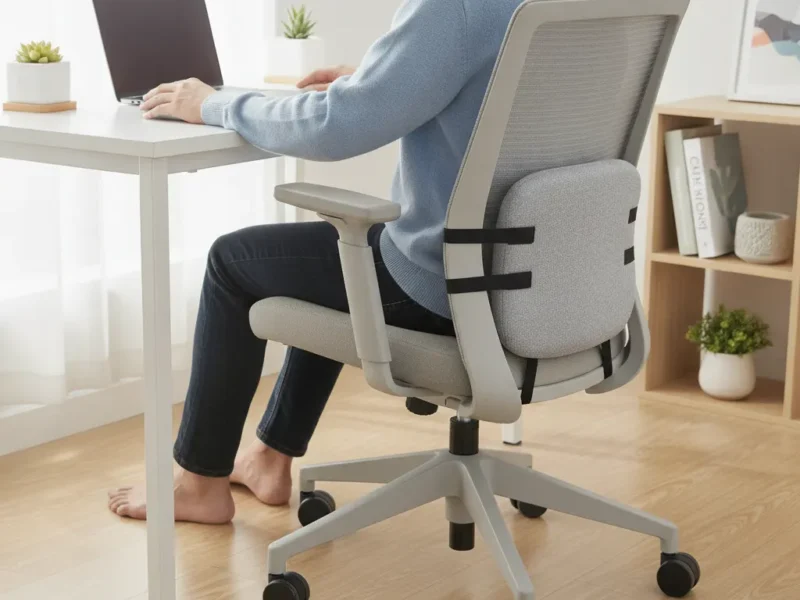
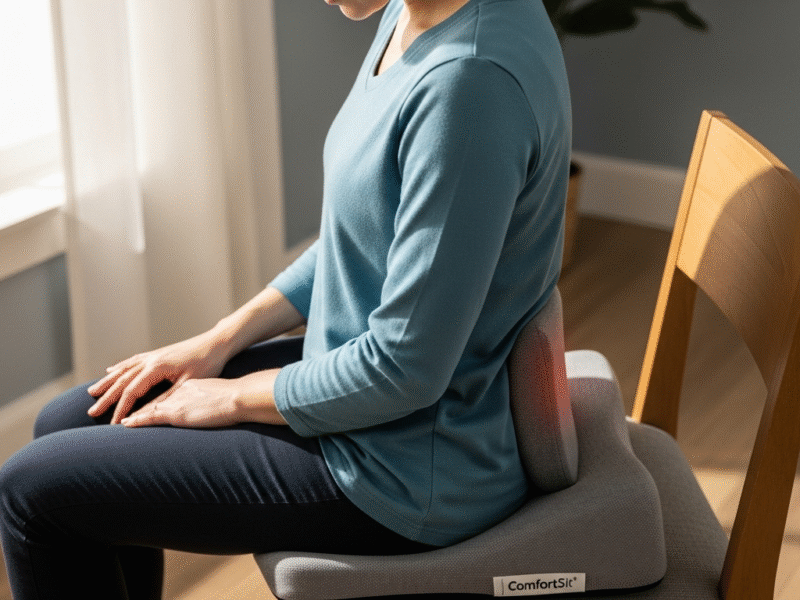
If you spend most of the day sitting, a suitable workspace setup is important. Poor sitting posture is a risk factor for back and neck pain. Position your screen at eye level and keep your feet flat on the floor. Learn more in our article about Prolonged Sitting and How to Protect Your Health.
For additional support and cushioning for the tailbone and spine while sitting, one option is the Seat cushion – ComfortLux. Its ergonomic memory foam shape is designed to support sitting posture and distribute pressure.
Non-drug ways to ease stress-related muscle pain
Alongside stress management, several non-drug approaches may directly ease sore muscles.
| Method | Description and use |
|---|---|
| Heat | A warm bath, shower, or heating pad may help relax tight, stiff muscles and increase local circulation. It may be useful for persistent tightness. |
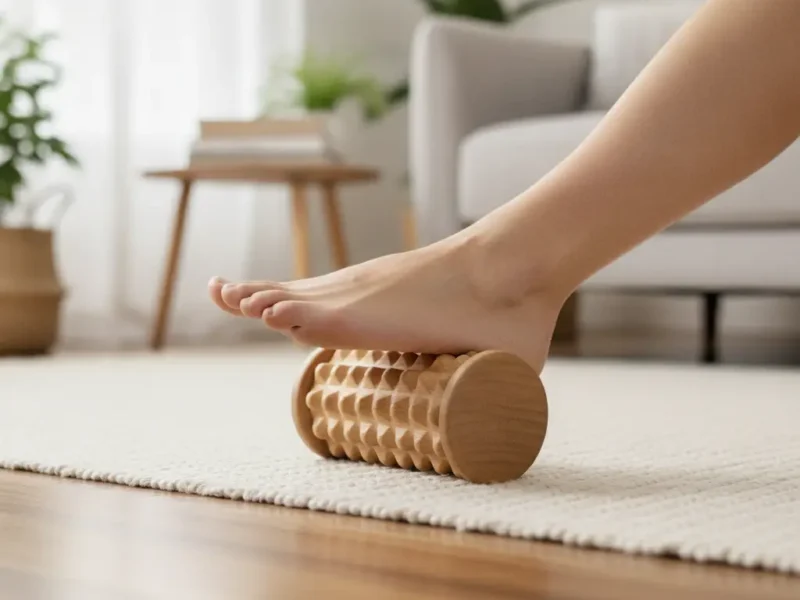
| Massage | Gentle massage of affected areas may ease muscle knots, improve local circulation, and encourage relaxation. Massage balls or rollers can be used for self-massage. |
| Stretching | Regular, gentle stretching, especially of the neck, shoulders, and back, can improve mobility and reduce stiffness. |
| Good sleep | The body recovers during sleep, and too little sleep can increase sensitivity to pain. Maintain a regular sleep routine and a comfortable sleep environment. For tips, see our article 17 Tips for Better Sleep. |
When should you seek professional care?
Although many cases of stress-related muscle pain can be managed with the measures above, medical care is sometimes needed. Seek professional advice if pain is very severe, does not ease after a few weeks, gets worse, or is accompanied by symptoms such as tingling, limb weakness, or fever. A doctor can rule out other possible causes and recommend appropriate treatment.
The relationship between stress and muscle pain is real, but pain can have many causes. Recognizing signs, understanding possible triggers, and addressing both stress and physical symptoms may help restore balance.
For more information about how stress affects the body, read the article from Harvard Health Publishing.
From our store
COMFORTLUX Seat Cushion