Morning heel pain: causes and what may help
Heel pain during the first steps out of bed is a common pattern in plantar fasciitis, an irritation of the band of tissue along the sole of the foot. The pain often eases after a few minutes of walking. Stretching and appropriate foot support may help, but other conditions can also cause heel pain.
This guide explains why heel pain may be worse in the morning, how plantar fasciitis differs from several other causes, what you can do before getting out of bed, and when to seek medical care.
Why is heel pain often worse in the morning?
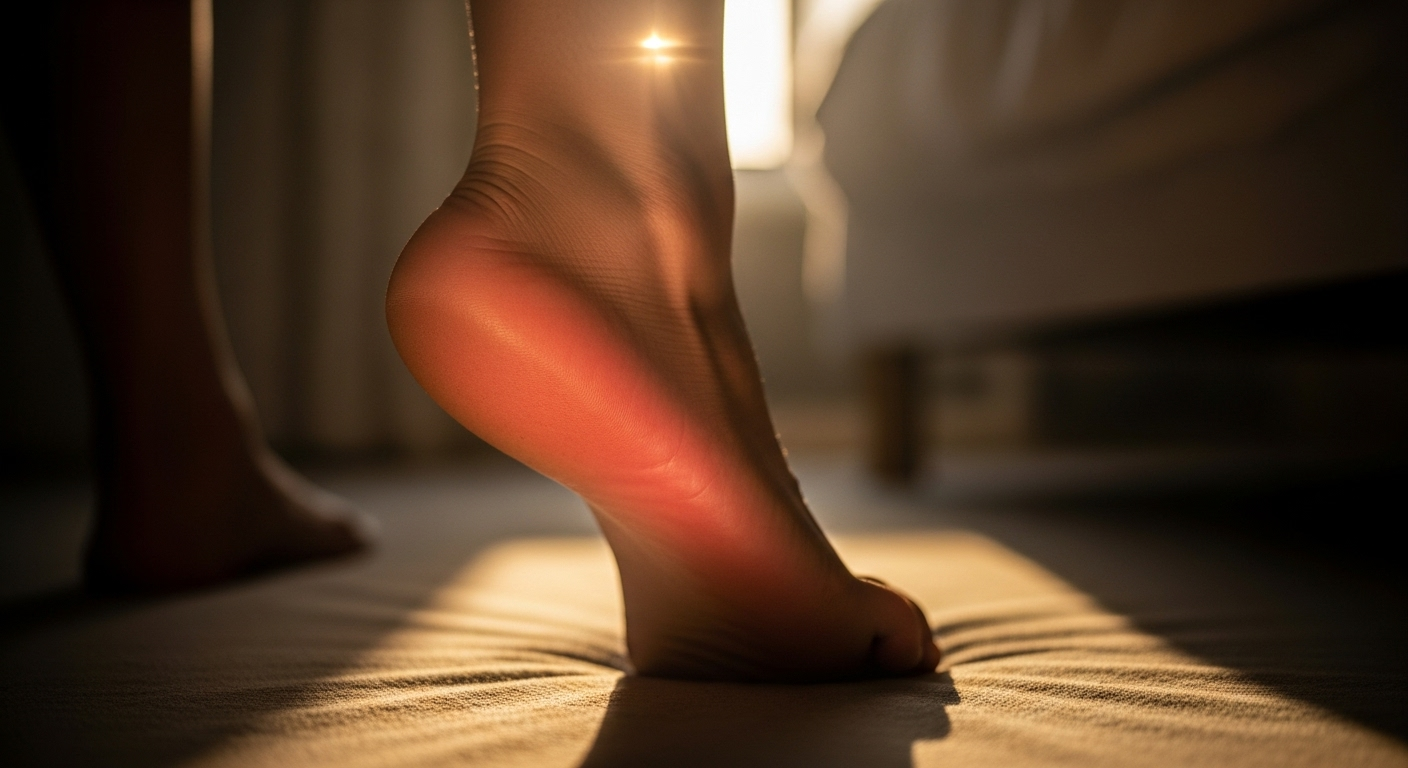
During sleep, the foot may rest with the toes pointed slightly downward, allowing the plantar fascia, the band of tissue connecting the heel bone to the toes and supporting the arch, to relax. The first morning step suddenly loads and stretches irritated tissue, causing sharp or stabbing pain. The pain often eases as the foot begins moving. This first-step pattern is described by the American Academy of Orthopaedic Surgeons (AAOS).
The same pattern can return after a long period of rest, such as several hours at a desk or a long drive. Clinicians often call this “first-step pain.”
Is the cause always plantar fasciitis?
Not always, although plantar fasciitis is a common cause. It affects an estimated 10% of people at some point in their lives (StatPearls, NIH). The table below compares several common causes of heel pain:
| Cause | Where does it hurt? | Typical pattern |
|---|---|---|
| Plantar fasciitis | Underside of the heel, extending toward the arch | Worst during the first steps in the morning, eases with movement |
| Heel spur | Bottom of the heel | Often painless by itself; associated plantar fasciitis may cause pain |
| Achilles tendinopathy | Back of the heel | Pain with stairs or after running |
| Heel fat pad degeneration | Center of the heel | Worse with standing or walking on hard surfaces; may feel like a bruise |
| Inflammatory joint diseases | Location varies and symptoms are often present in both feet | Morning stiffness lasts more than 30 minutes |
For more about the most common cause, read Plantar fasciitis: causes, symptoms, and treatment. For more about the bony growth, read Heel spur.
Who is at greater risk?
- Limited calf flexibility , described by the American Academy of Family Physicians (AAFP) as a strong risk factor among people who are not athletes.
- Higher body weight (BMI above 25–27 in the cited literature) and pregnancy.
- Jobs that require prolonged standing or walking on hard surfaces.
- Running and sudden increases in training volume. Published estimates range from 5% to 22% of runners.
- Flat feet or high arches and worn footwear with inadequate support.
Before getting out of bed: a short morning routine
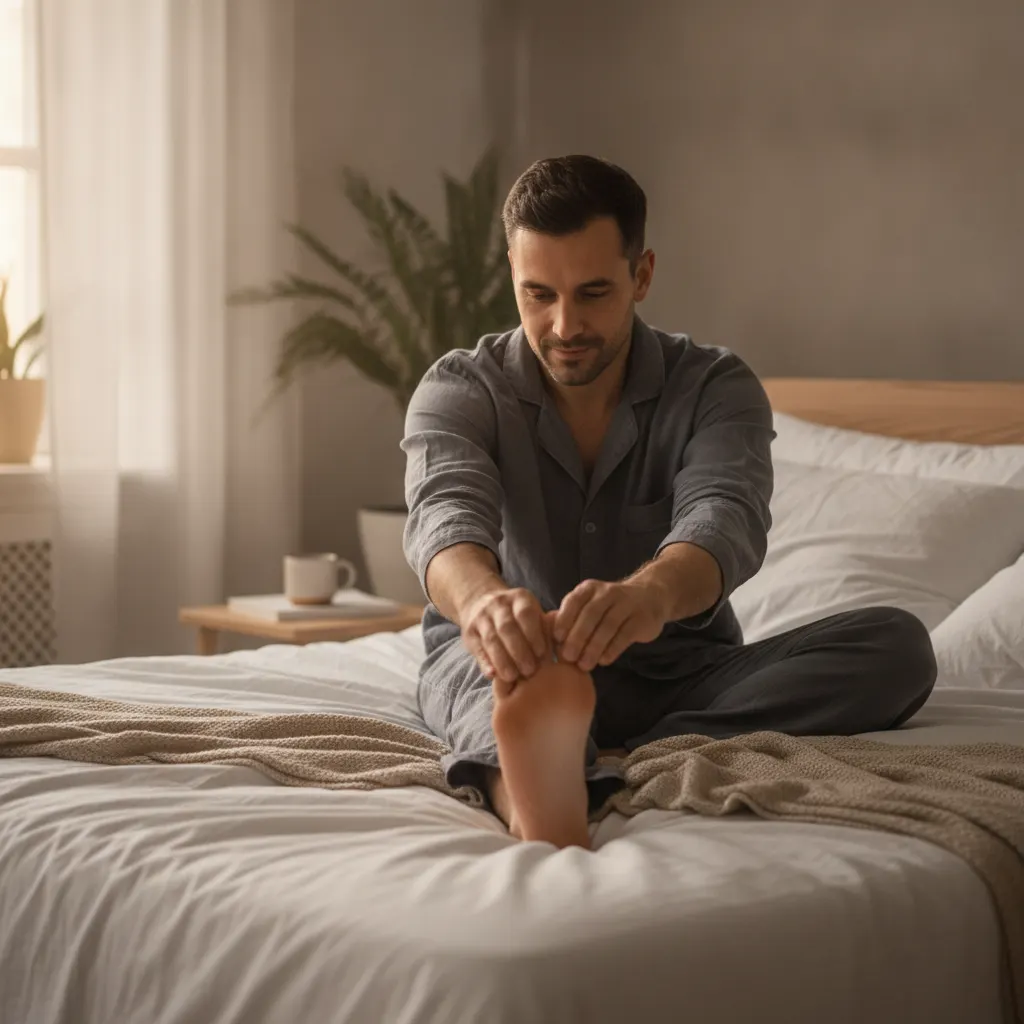
Try gently stretching the plantar fascia before putting weight on the foot. The following routine takes about three minutes:
- Pull your toes toward you: cross the affected leg over the other knee, hold the toes, and gently pull them toward the shin for 30 seconds. Repeat three times. In a study summarized by the AAFP, 52% of participants reported improvement after eight weeks of targeted plantar fascia stretching.
- Ankle circles: make 10 circles in each direction with each foot.
- Towel stretch: loop a towel around the ball of the foot, keep the leg straight, and gently pull the towel toward you for 30 seconds.
For a complete five-exercise program with instructions, read 5 key exercises for plantar fasciitis.
Longer-term measures during the day
Supportive footwear
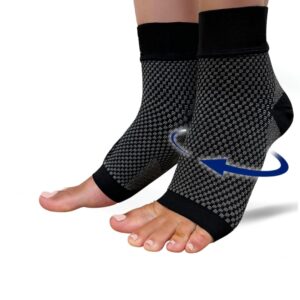
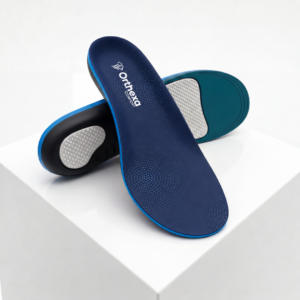
Shoes with heel cushioning and arch support may reduce strain on the plantar fascia during the day. A Cochrane review found no clear advantage of custom orthoses over prefabricated orthoses for plantar heel pain. One prefabricated option is Comfort orthopedic insoles. Avoiding barefoot walking on hard floors may also reduce discomfort. During recovery, another product option is Kinesios compression socks.
Cooling, reduced impact, and patience
After a demanding day, you can apply a cold pack wrapped in cloth for 15–20 minutes or roll a frozen bottle beneath the foot. Temporarily reduce running and jumping, and consider lower-impact activities such as cycling or swimming if they are suitable for you. Recovery often takes weeks or months. AAOS reports that more than 90% of people with plantar fasciitis improve within 10 months of starting nonsurgical treatment.
When should you see a doctor?
- The pain is severe, you cannot bear weight normally, or it began after an injury.
- Morning stiffness lasts more than 30 minutes, or both heels hurt at the same time, which can occur with inflammatory joint disease.
- You have tingling, numbness, or burning, which may indicate nerve involvement.
- There is no improvement after two weeks of consistent self-care, or you have diabetes.
Frequently asked questions about morning heel pain
Why does the pain subside after a few minutes of walking?
Movement gradually loads and warms the plantar fascia, so symptoms may ease after the first few steps. This pattern supports plantar fasciitis as a possible diagnosis, but it does not confirm it on its own.
Should I exercise in the morning despite the pain?
Gentle stretching may be appropriate, but avoid starting with running. Stretching the plantar fascia and calf before loading the foot can help. During a painful flare, consider replacing running and jumping with lower-impact activities such as cycling or swimming, if medically appropriate for you.
Do slippers with support help for home use?
Supportive indoor footwear may reduce discomfort for some people. If walking barefoot on hard floors aggravates symptoms, consider slippers with a contoured footbed and arch support or shoes fitted with suitable insoles.
How long will it take for the pain to go away?
With consistent stretching, suitable footwear, and reduced aggravating activity, improvement may occur over several weeks. AAOS reports that more than 90% of people improve within 10 months of nonsurgical treatment, although recovery time varies.
This content is for general information and does not replace advice from a doctor or physical therapist. Seek professional care for severe, bilateral, or persistent pain.
Related: foot massage for relaxation.
Related: care of cracked heels.
From our store
Comfort shoe insoles