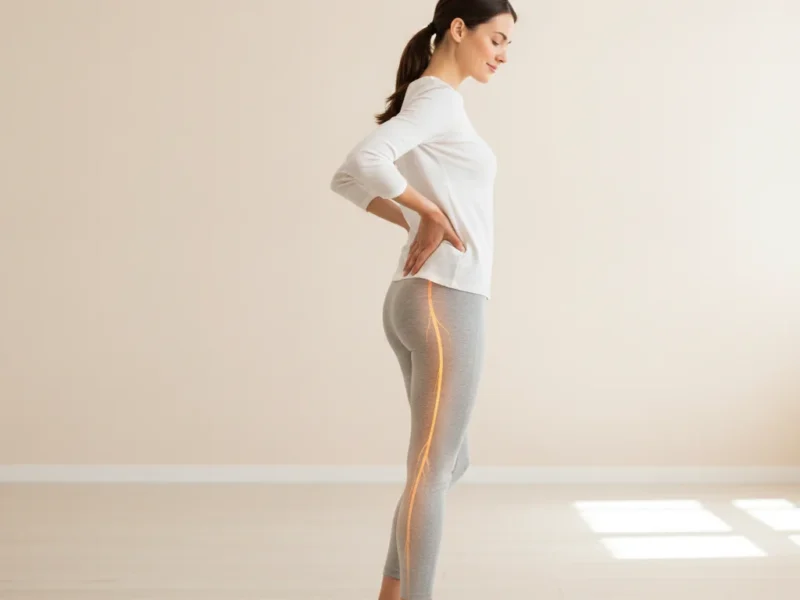

Lumbar radiculopathy: causes, relief, and warning signs
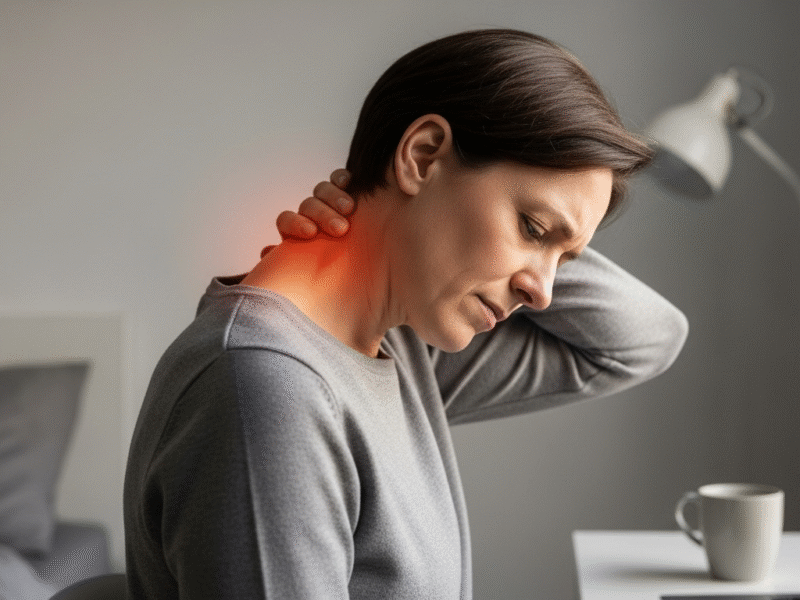
Lumbar radiculopathy occurs when a nerve root in the lower spine is irritated or compressed, often by a herniated disk or age-related narrowing. It can cause pain that travels into a leg, with tingling, numbness, or weakness. Many cases improve without surgery, but new bladder, bowel, saddle-sensation, or rapidly worsening weakness symptoms require emergency assessment.
If sitting at a desk aggravates symptoms, also read Sciatica and sitting: ways to reduce discomfort. This article focuses on lumbar nerve-root symptoms, what may help, and when care is urgent.
What is lumbar radiculopathy?
Nerve roots leave the lumbar and sacral spine and contribute to nerves that supply the legs. A disk herniation, bone spur, or narrowed opening can irritate or compress a root. Sciatica describes pain along the sciatic distribution, usually related to one or more roots that contribute to the sciatic nerve. It is a symptom pattern rather than a diagnosis of a literally “pinched” sciatic nerve.
What can irritate or compress a nerve root?
According to NIH StatPearls a herniated disk is a common cause. Other causes include:
- spinal stenosis , narrowing of the spinal canal or nerve-root openings, more common with age;
- spondylolisthesis , forward or backward displacement of one vertebra relative to another;
- deep gluteal syndrome, sometimes called piriformis syndrome , in which the sciatic nerve may be irritated outside the spine. This is distinct from lumbar nerve-root compression and can be difficult to diagnose.
Prolonged sitting does not by itself trap a nerve root, but it can aggravate symptoms in some people. For more about sedentary time, read Prolonged sitting and ways to reduce sedentary time. For workstation setup, see Home office ergonomics.
Emergency warning signs
Rarely, compression of the nerve roots at the bottom of the spinal canal causes cauda equina syndrome , a surgical emergency. The United Kingdom’s National Health Service (NHS) advises immediate emergency assessment for any of the following:
- new inability to urinate, new loss of bladder or bowel control, or inability to sense bladder or bowel function; including new leakage or urinary retention;
- new numbness around the genitals, anus, buttocks, or inner thighs; “saddle” numbness in the area that would contact a saddle;
- new or worsening weakness in both legs; or new loss of genital sensation or sexual function.
Do not wait until the next day for these symptoms. The NHS advises against driving yourself to emergency care. Ask someone to take you or call local emergency services. Additional signs that the Mayo Clinic and NIH and Mayo Clinic associate with prompt same-day assessment include rapidly worsening leg or foot weakness, a foot that begins dragging, pain after major trauma, fever or chills, unexplained weight loss, or a personal history of cancer.
How long can symptoms last?
The outlook is often favorable when no warning signs are present. The American Academy of Orthopaedic Surgeons (AAOS) reports that about 80%–90% of people with sciatica improve without surgery, often within several weeks. Recovery time varies with the cause, severity, and neurologic findings.
What may help, and what self-care cannot do
A cushion, exercise, or compress cannot physically remove every source of nerve-root compression. Symptoms from a disk herniation often improve over time, while progressive weakness or other warning signs may require urgent treatment. Self-care aims to support comfortable activity and symptom control.
| Measure | What it may do | What it does not do |
|---|---|---|
| Brief relative rest followed by activity | May reduce aggravating activity during a severe flare; the NHS advises avoiding prolonged bed rest and resuming ordinary activity as tolerated | Does not directly accelerate disk healing |
| Cold or heat | May provide temporary pain or muscle-spasm relief when used safely | Does not shrink a disk herniation |
| Gentle walking or prescribed exercise | May maintain activity and function when symptoms tolerate it | Does not mechanically “release” a nerve root |
| Support for sitting or sleeping | May improve comfort in a particular position | Does not treat the underlying cause |
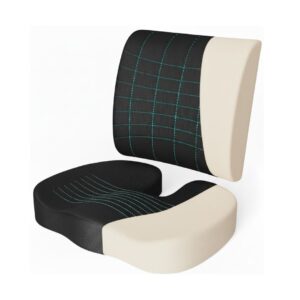
For sitting comfort, one product option is the Lumbaris + ComfortLux orthopedic seat cushion set. A cushion cannot decompress a nerve root, though some people find lumbar or seat support more comfortable. For movement-break ideas, see 5 stretches to try after sitting.
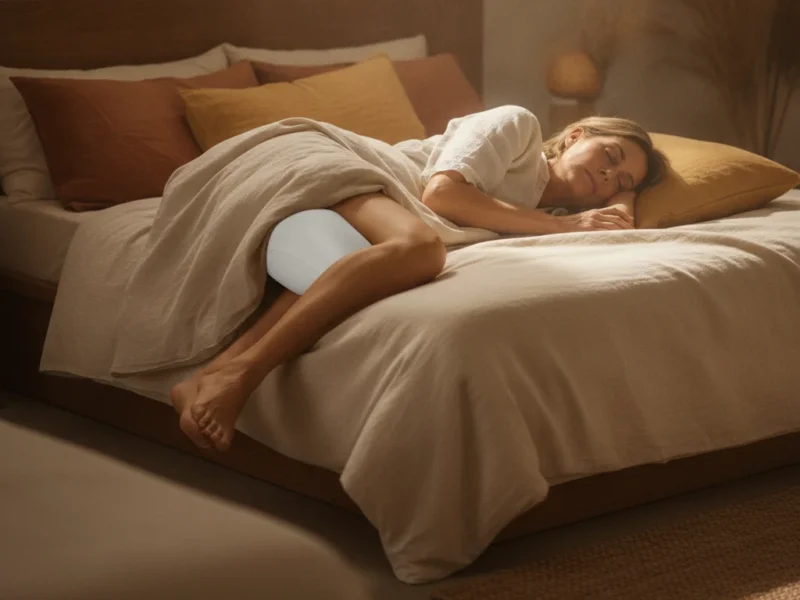
For side sleeping, a pillow between the knees may reduce pelvic rotation for some people. One option is the ErgoPlus orthopedic knee pillow , intended to support the legs. It does not treat nerve-root compression or guarantee better sleep.
For evidence and cautions about back braces, read Does a back brace really help with lower back pain?
When is medical treatment needed?
Seek assessment if symptoms persist, worsen, or limit function. The AAOS describes individualized nonsurgical care that can include activity guidance, physical therapy, and medication when appropriate. Epidural steroid injections may be considered for selected persistent radicular pain, and surgery may be considered for severe or progressive neurologic loss or symptoms that remain disabling despite an adequate course of nonsurgical care. There is no universal three-month rule.
Frequently asked questions
Can a pinched nerve in the lower back heal on its own?
Many cases improve without surgery. AAOS reports improvement in about 80%–90% of people with sciatica, often within several weeks, although the cause and neurologic findings affect recovery.
Is bed rest good?
advises against prolonged bed rest. Briefly reduce aggravating activity, then return to comfortable daily movement as tolerated. NHS The
What is the difference between a pinched nerve and sciatica?
Lumbar radiculopathy is nerve-root dysfunction that can produce pain, numbness, tingling, or weakness. Sciatica is a symptom pattern involving the buttock and leg and may result from lumbar radiculopathy, but not every case of sciatica is caused by confirmed compression and not every lumbar radiculopathy follows the sciatic distribution.
Can a pillow ‘release’ a pinched nerve?
No. A cushion may change comfort or position, but it does not remove a disk herniation, bone spur, or other cause of nerve-root irritation.
This content is for general information and does not replace medical advice, diagnosis, or treatment. Call local emergency services for cauda equina warning signs. Seek prompt assessment for worsening weakness, trauma, fever, cancer history, or persistent or worsening pain.
Related: what helps with sciatica.
Related: spinal decompression stretcher.
From our store
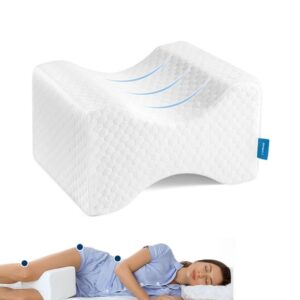
ERGOPLUS Knee Pillow