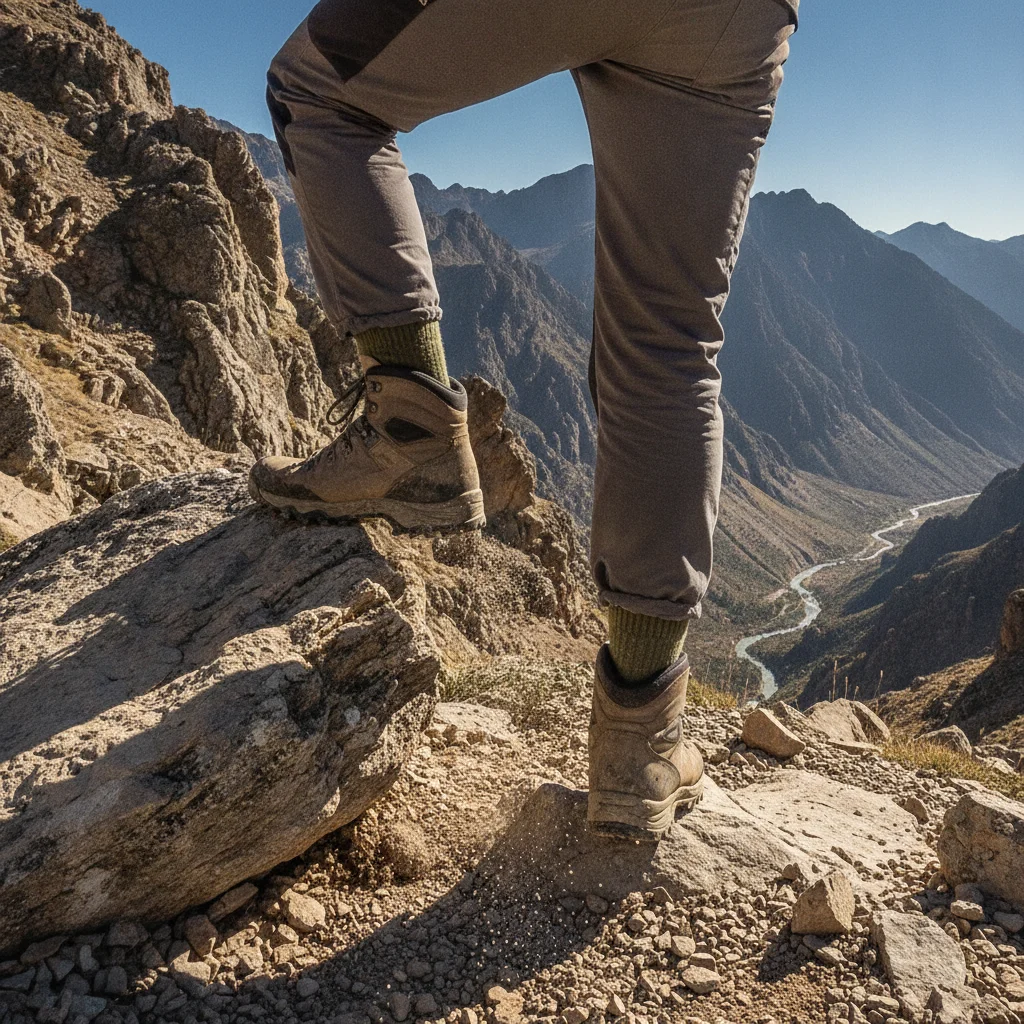
Hiking insoles: a practical guide
Hiking insoles are inserts designed to support the foot and add cushioning inside hiking shoes or boots. A well-fitting pair may improve comfort and pressure distribution on uneven ground, long walks, and descents. They do not reliably prevent knee pain, fatigue, or blisters on their own. The right choice depends on the terrain, footwear, foot shape, and any existing condition.
This guide explains what hiking insoles can and cannot do, what matters on descents, how shoe fit relates to blisters, and how to choose an insole for your terrain, footwear, and feet.
Why can insoles matter when hiking?
Uneven ground, long distances, and a backpack all add demands during a hike. Stock insoles vary widely and may offer little cushioning or support. A replacement insole that fits both the foot and the shoe can change pressure distribution, heel fit, and underfoot feel, which may improve comfort on longer walks.
Each step on a mountain trail differs as the feet adapt to rocks, roots, gravel, and slopes. This challenges balance and the muscles of the feet and legs, and can become tiring over time. Learn more about how irregular surfaces affect the feet and balance in our article on walking on uneven terrain.
The foot’s arches help store and release energy during each step. Support needs differ among people with lower, higher, or neutral arches and can change with footwear and activity. Pain in the plantar fascia, heel, or forefoot should not automatically be blamed on insufficient arch support. The American Academy of Orthopaedic Surgeons (AAOS), describes plantar fasciitis as »one of the most common causes of pain on the bottom of the heel« and says about two million patients are treated for it in the United States each year. Insoles may form part of conservative care for some people, but they are not proven to prevent plantar fasciitis in every hiker.
What matters on descents and for the knees?
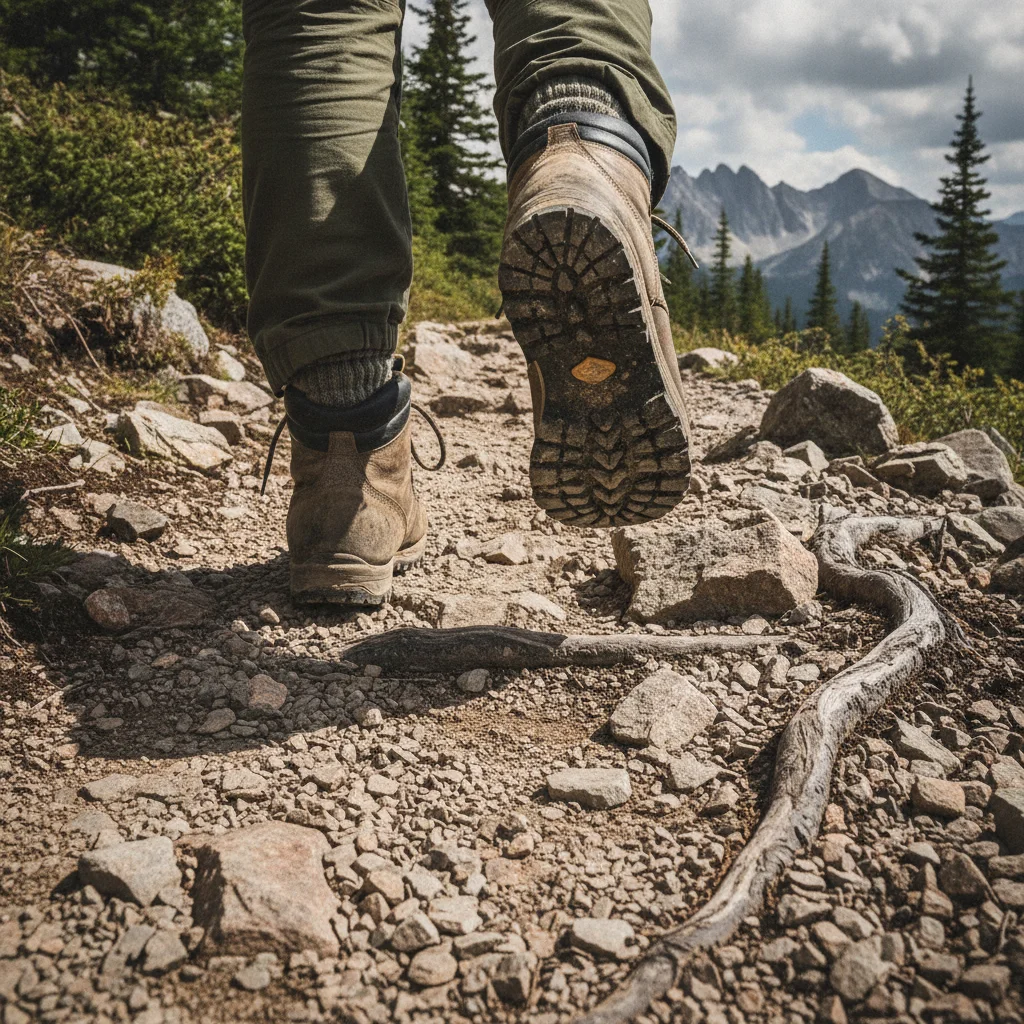
Walking downhill requires the leg muscles to control the body against gravity and can feel demanding on the knees, feet, and toes. Cushioning and a secure fit may improve comfort, but an insole cannot be assumed to absorb a specific amount of force or relieve knee pain.
Biomechanical studies confirm that the knee experiences substantial forces during weight-bearing activity. One study published in Clinical Orthopaedics and Related Research (PubMed) measured knee-joint forces during selected activities and reported values of about eight times body weight for uphill walking and about four times body weight for level walking. These measurements came from a specific study setting and do not establish that insoles reduce those forces. Descents and loads require separate evidence.
Trekking poles may also change lower-limb loading on descents. A study of downhill walking with poles while carrying different loads (PubMed) reported that poles »reduce forces, moments and powers around the joint, thereby helping to reduce lower extremity joint loading« across the tested backpack weights. This supports poles as one possible strategy in the study conditions; it does not show that insoles produce the same biomechanical effect.
An insole may improve fit, cushioning, or comfort, but it cannot replace suitable footwear, hiking technique, conditioning, or medical assessment of persistent pain. If descents cause pressure beneath the toes or ball of the foot, read more about the forefoot.
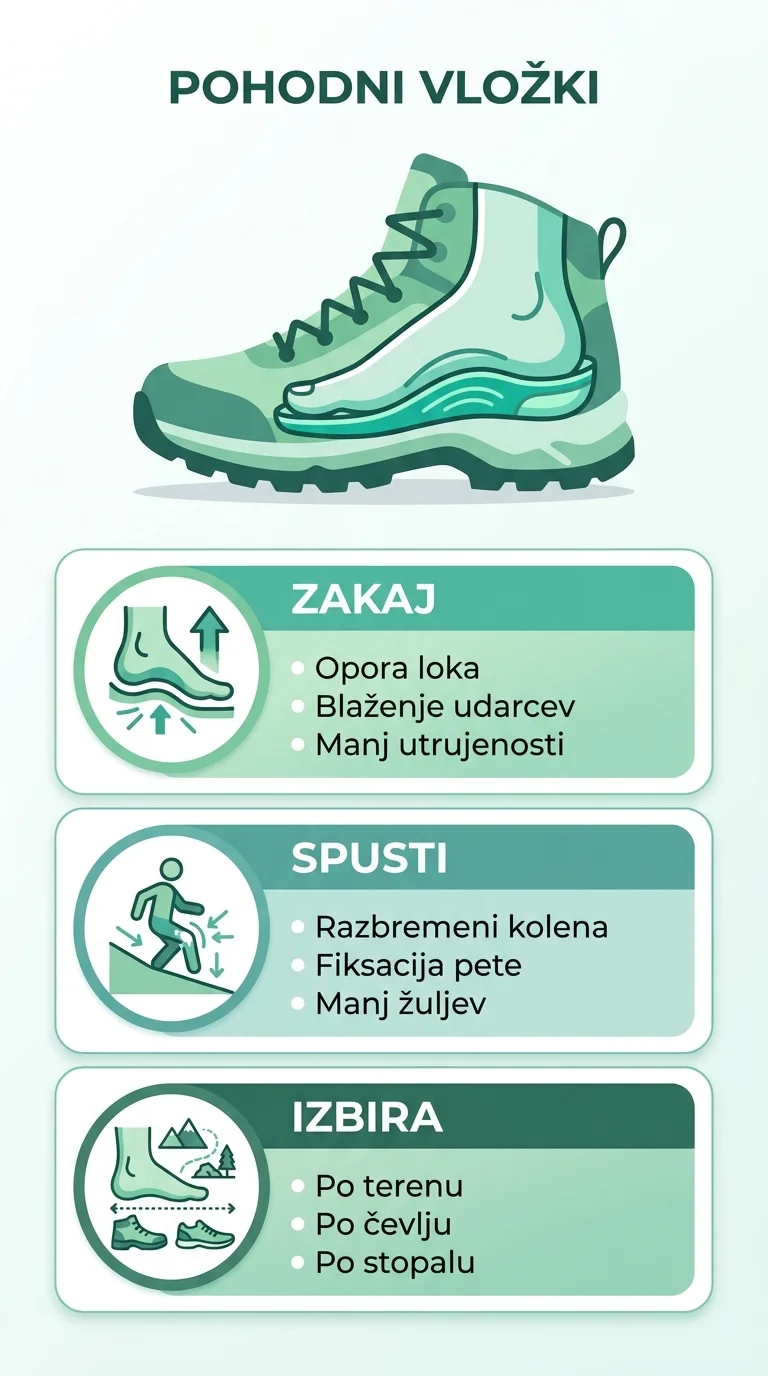
The infographic below summarizes common insole features and how to choose a suitable option for different terrain.
Can insoles help reduce blisters while hiking?
Blisters develop when repeated friction and shear damage the skin, often with help from moisture, pressure, and movement inside the shoe. An insole may improve fit and reduce unwanted foot movement, but one that takes up too much space can increase pressure and make blisters more likely.
The UK NHS, explains that blisters »are often caused by friction« and recommends »comfortable, well-fitting shoes« and »thick socks during exercise, such as sports socks that wick away moisture«. An insole can help only if it improves fit without creating pressure points.
Several factors influence blister risk:
- Shoe fit: Shoes that are too loose may allow movement, while shoes that are too tight create pressure and rubbing. An insole must leave enough room for the foot and toes.
- Heel fixation: A shaped heel cup may limit heel movement if it fits the shoe and foot correctly, which can be useful on descents.
- Socks: Well-fitting hiking socks that manage moisture can reduce dampness and friction. Change wet socks promptly.
- Breaking in shoes: Try new footwear and insoles on shorter walks before a full-day hike so you can identify rubbing or pressure points.
An insole cannot guarantee blister prevention. Repeated rubbing in the same place often indicates a problem with shoe fit, size, socks, lacing, or the insole itself.
How do I choose insoles based on the terrain and shoe?
Choose insoles according to the space inside the footwear, the feel you prefer, the terrain, and any support recommended for you. Light walks may call only for a comfortable replacement liner, while longer hikes may favor durable cushioning and a secure heel fit. Firmer arch support is not automatically better.
The table below provides a rough guide based on the type of hike and shoe:
| Type of hike | Terrain and load | Features to consider |
|---|---|---|
| Easy walks or shorter hikes | Established paths, modest elevation, and a light load | Comfortable cushioning and a secure fit without pressure points |
| Full-day hikes | Uneven ground, longer descents, and a light backpack | Durable cushioning, stable heel fit, and comfortable arch shape |
| Demanding or multiday hikes | Steep climbs and descents, heavier backpack | Durable materials, secure heel fit, and support that remains comfortable over time |
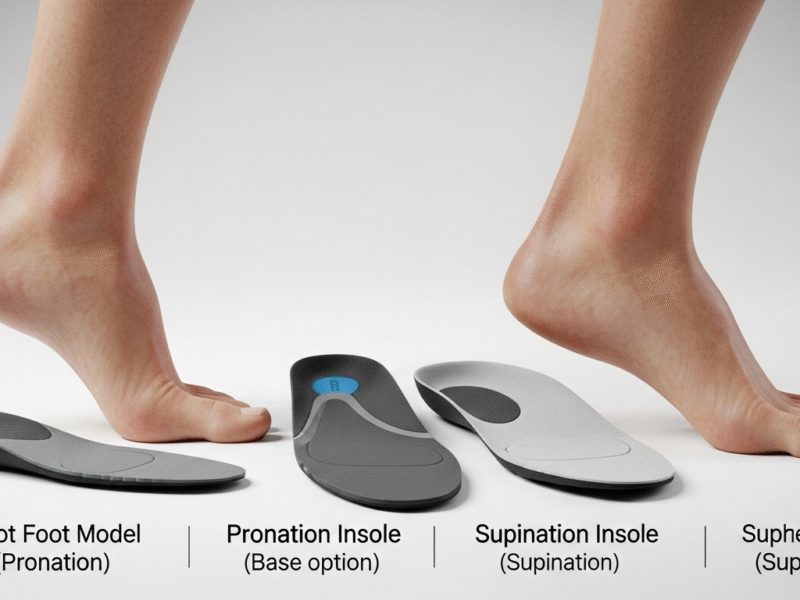
Foot shape also matters, but a low arch is not always the same as overpronation and a high arch is not always the same as supination. Choose comfort and fit rather than diagnosing yourself from appearance alone. Our guide explains pronation and supination.
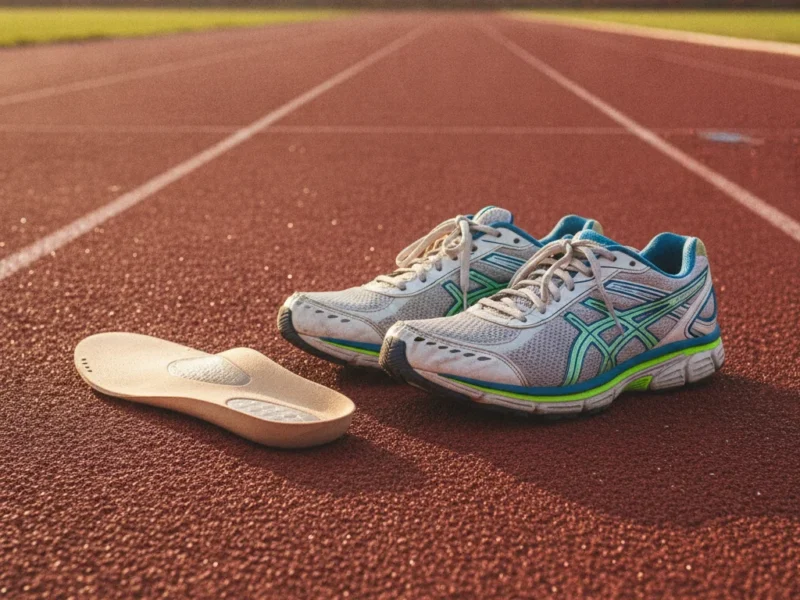
If the manufacturer intends the new insole to replace a removable stock insole, remove the old one first. Compare their outlines and trim only along the marked guide if the product instructions allow it. The insole should lie flat without crowding the toes or lifting the heel out of the shoe. Browse our shoe insoles.

Active or Comfort: which insole suits your hike?
One hiking insole may feel firmer and more supportive, while another emphasizes softer cushioning. The best option is the one that fits your footwear and remains comfortable on the terrain and distance you plan to cover.
Our range includes two options with these different designs:
| Feature | Active insoles | Comfort insoles |
|---|---|---|
| Emphasis | Firmer support for active use | Cushioning and everyday comfort |
| May suit | Hikers who prefer a firmer underfoot feel | Easier walks and people who prefer softer cushioning |
| Sensation under the foot | Firmer and more »guided« | Softer and more cushioned |
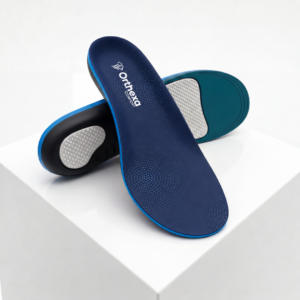
Active shoe insoles are designed to provide a firmer feel and added support during active use. Whether they suit demanding hikes depends on the individual fit, footwear, and terrain. Comfort shoe insoles emphasize cushioning and may suit easier walks, longer periods on your feet, and people who prefer a softer feel. Neither model treats a foot condition or guarantees relief. Stop using an insole that causes new pain, numbness, rubbing, or pressure.
You can also watch this video on the topic:
When should you seek medical advice?
Insoles are comfort and footwear accessories, not treatment for an injury or disease. Consult a healthcare professional if pain in the foot, heel, ankle, or knee persists despite rest and suitable footwear, gets worse, or interferes with walking.
Seek medical advice if you notice:
- sharp or persistent heel or arch pain, especially pain that is worst during the first steps in the morning;
- swelling, redness, or warmth in a joint or foot;
- knee pain that begins or becomes markedly worse on descents;
- numbness, tingling, or loss of sensation in the foot;
- a wound or blister that is not healing, especially if you have diabetes, reduced sensation, or poor circulation.
If you have a diagnosed foot condition, chronic pain, diabetes, reduced sensation, or circulation problems, ask a qualified professional whether an insole is suitable and what support you need.
Frequently asked questions
Do I really need special insoles for hiking?
Not necessarily. Start with hiking footwear that fits well and feels comfortable. A replacement insole may improve cushioning, heel fit, or underfoot support on longer hikes, but the stock insole is adequate for many people.
Do insoles help with knee pain during descents?
They may improve comfort for some hikers, but evidence does not support promising that ordinary insoles will relieve knee pain on descents. Trekking poles, pacing, conditioning, and load management may help. Persistent or significant knee pain needs assessment.
How do I insert hiking insoles into a shoe?
Follow the product and footwear instructions. If the stock insole is removable and the replacement is designed to take its place, use the old insole as an outline and trim only where marked. Make sure the new insole lies flat and does not crowd the toes or lift the heel. Test it on shorter walks first.
Do insoles prevent blisters?
No insole can guarantee this. If it improves shoe fit, it may reduce movement and friction. If it crowds the shoe or creates pressure, it can make rubbing worse. Well-fitting footwear, suitable socks, dry feet, and prompt attention to hot spots remain essential.
Active or Comfort: which is better for hiking?
Choose by fit and preferred feel. Active is the firmer option, while Comfort emphasizes softer cushioning. Try the insole in the footwear you will use and stop if it creates pressure, rubbing, numbness, or pain.
This content is for informational purposes and does not replace professional medical advice. For persistent or severe pain in the feet, knees, or joints, consult a doctor or physiotherapist.
From our store
Active sports insoles