
Anti-Inflammatory Eating: An Everyday Meal Plan
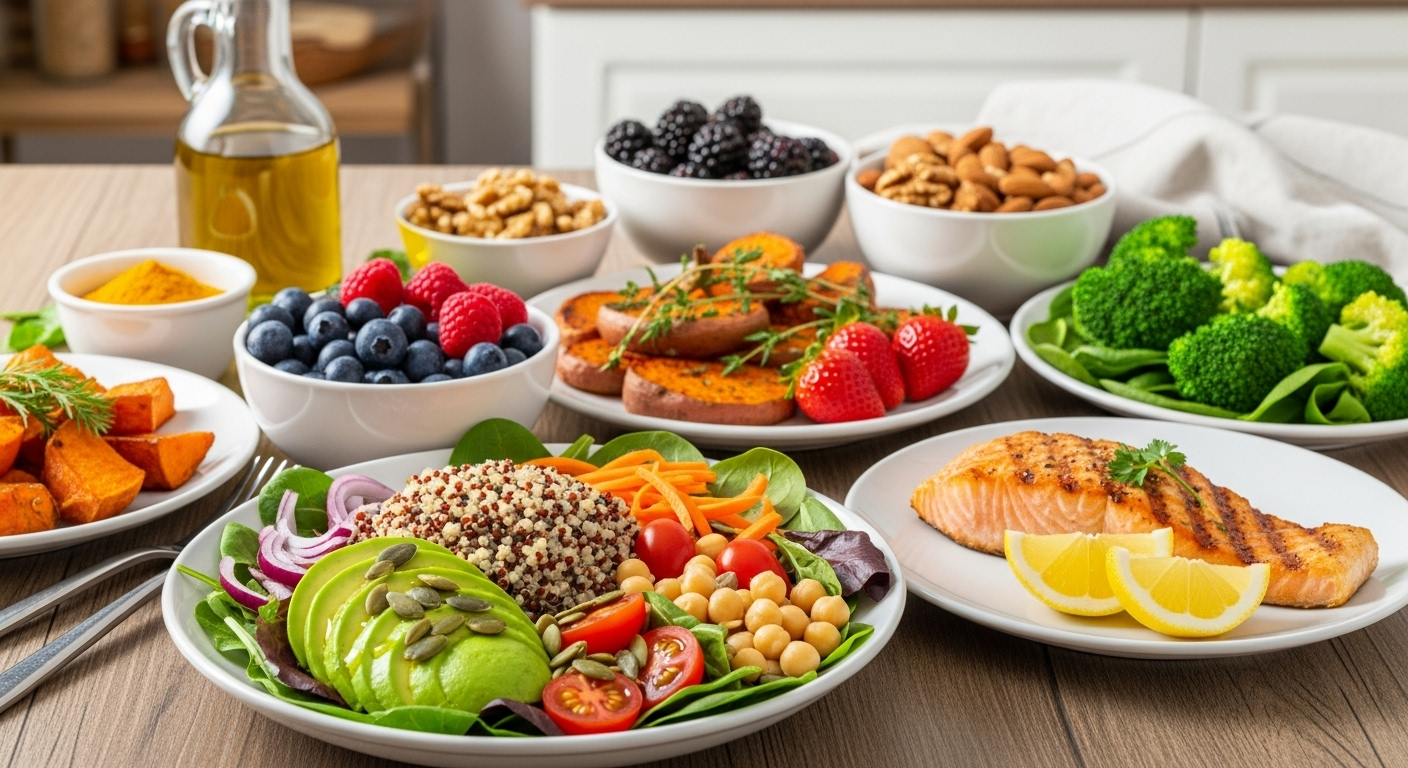
An anti-inflammatory diet centers on Mediterranean-style foods: fish, olive oil, vegetables, berries, nuts, and whole grains. A meta-analysis of 33 randomized trials involving 3,476 participants found that this dietary pattern lowered blood markers of inflammation, including CRP and interleukin-6. Diets high in sugar, fried foods, processed meat, and trans fats are associated with more inflammation.
This guide lists foods to include and limit, a one-day meal plan, two simple recipes, and practical steps for adopting an anti-inflammatory way of eating.
What is chronic inflammation, and why does it matter?
Acute inflammation is a useful defense response that helps the body fight infection or heal a wound. Problems can arise when low-grade inflammation persists for a long time without a clear trigger. According to Harvard Health , chronic inflammation is involved in cardiovascular disease, type 2 diabetes, arthritis, and some cancers. Diet is one of the everyday factors that can influence it.
Which foods are associated with inflammation?
- Sugar and sugar-sweetened drinks (including fruit drinks with added sugar)
- Refined carbohydrates: white bread, pastries, and sweets
- Fried foods and trans fats (some margarines and commercially baked goods)
- Processed meats: hot dogs, salami, and bacon
- Excessive alcohol
You do not have to ban these foods completely. Your overall eating pattern across weeks and months matters more than a single meal.
Which foods may help lower inflammation?
The Mediterranean dietary pattern has some of the strongest evidence: a meta-analysis of 33 randomized trials (2025) found significant reductions in the inflammatory markers hs-CRP, IL-6, and IL-17 compared with control diets. Consider adding the following foods to your plate:
| Food group | Foods | Key nutrients and compounds |
|---|---|---|
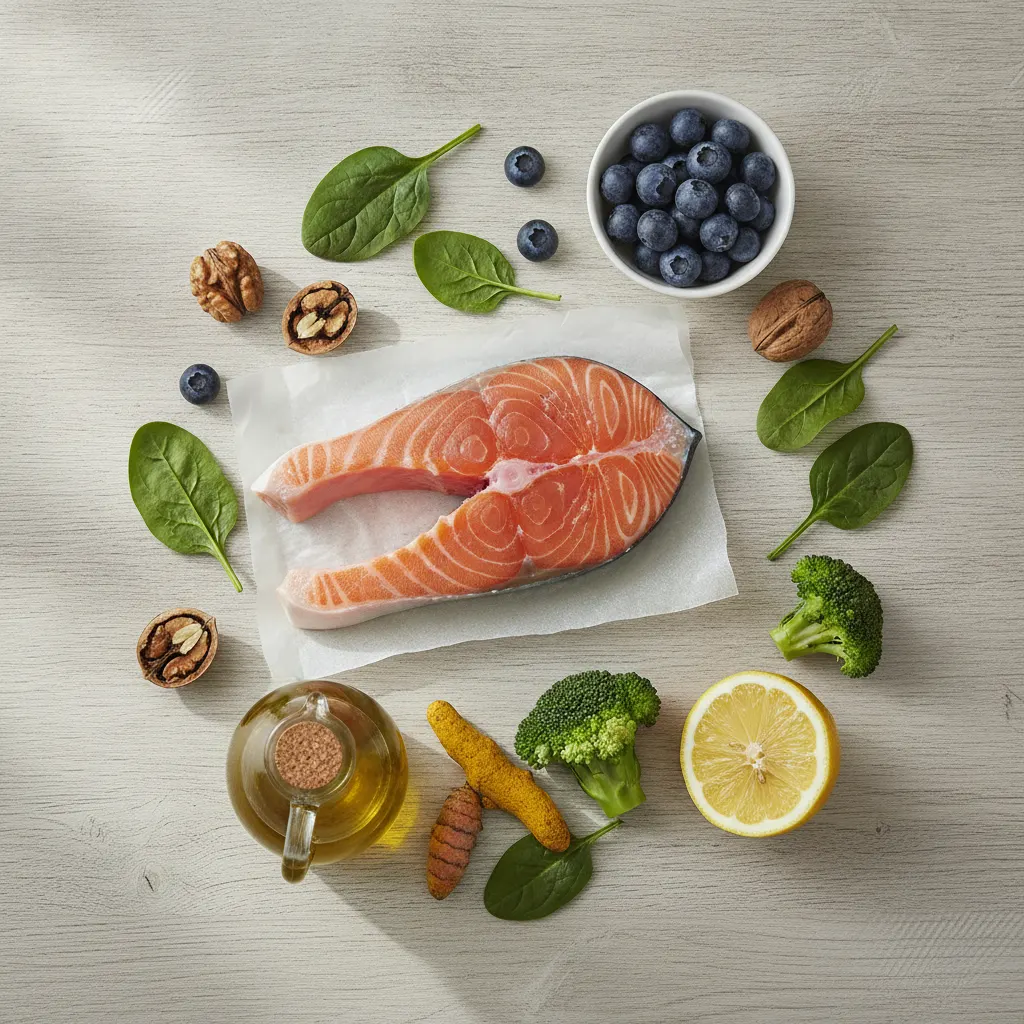
| Oily fish | Salmon, mackerel, and sardines (2 times a week) | Omega-3 fatty acids |
| Vegetables | Broccoli, spinach, kale, bell peppers, and tomatoes | Polyphenols, carotenoids, and fiber |
| Berries and other fruit | Blueberries, raspberries, cherries, apples, and citrus fruit | Anthocyanins and vitamin C |
| Unsaturated fats | Extra-virgin olive oil and avocado | Monounsaturated fats and oleocanthal |
| Nuts and seeds | Walnuts, almonds, flaxseeds, and chia seeds | Omega-3 (ALA) and vitamin E |
| Whole grains and legumes | Oats, buckwheat, lentils, and chickpeas | Fiber that supports a healthy gut microbiome |
| Herbs and spices | Turmeric, ginger, garlic, and cinnamon | Curcumin and gingerol |
Anti-inflammatory meal plan: a one-day example
- Breakfast: Oatmeal with blueberries, walnuts, and a tablespoon of ground flaxseed.
- Snack: An apple and a handful of almonds.
- Lunch: Baked salmon, cooked buckwheat, and a large salad with olive oil and lemon.
- Snack: Carrot and bell pepper slices with hummus.
- Dinner: Lentil stew with turmeric, ginger, and plenty of vegetables.
- Throughout the day: Water and unsweetened green tea.
Two simple anti-inflammatory recipes
Golden milk with turmeric
Warm 2.5 deciliters of plant-based or dairy milk in a saucepan. Stir in 1 teaspoon of turmeric, a pinch of freshly ground black pepper, a pinch of cinnamon, and, if desired, a teaspoon of honey. Drink it warm, preferably in the evening.
Quick quinoa and avocado salad
Mix 1 cup of cooked quinoa with sliced avocado, cherry tomatoes, cucumber, and a handful of spinach. Dress with olive oil and lemon juice, then sprinkle with pumpkin seeds. It is ready in 15 minutes and travels well for lunch at work.
Anti-inflammatory eating for joint pain
For arthritis and joint degeneration, an anti-inflammatory diet can complement, but not replace, treatment. Omega-3 fats from fish, olive oil, and berries may be part of a dietary pattern associated with less inflammation. For other measures that may help with joint degeneration, read Natural Approaches to Osteoarthritis. For more on fluids, read How Hydration Affects Joint Pain. For a refreshing option on a hot day, try an anti-inflammatory smoothie.
How can you adopt an anti-inflammatory diet more easily?
- Each week, replace one processed food with a less refined option, such as swapping white bread for whole-grain bread.
- Twice a week, choose oily fish instead of meat.
- Aim to fill half of each plate with vegetables.
- Replace sugar-sweetened drinks with water or unsweetened tea.
- Cook with olive oil and season foods with turmeric, ginger, and garlic.
Physical activity, sleep, and stress also affect chronic inflammation. Prolonged sitting is an independent risk factor, as discussed in our article Prolonged Sitting.
Frequently asked questions about anti-inflammatory eating
How quickly does an anti-inflammatory diet work?
In studies, inflammatory markers in the blood may improve after several weeks to several months of following a consistent dietary pattern. Changes in how a person feels vary, and an anti-inflammatory diet works through the overall pattern rather than any single day.
Is coffee inflammatory?
Moderate amounts of coffee without added sugar or cream contain polyphenols and have not generally been associated with greater inflammation in studies. Sugar-sweetened coffee drinks are a different matter because of their added sugar.
Do I have to give up sugar completely?
No. The goal is to make added sugar an occasional choice rather than a daily habit. An occasional dessert can fit within an otherwise Mediterranean-style eating pattern, while frequent sugar-sweetened drinks and daily sweets can shift that pattern.
Are supplements such as curcumin and omega-3 enough?
Capsules do not replace an overall eating pattern. The strongest evidence applies to the Mediterranean diet as a whole, rather than individual extracts. A supplement may sometimes be appropriate, such as omega-3 when fish intake is low, but discuss it with a doctor or pharmacist because supplements can have side effects and interact with medicines.
This content is for informational purposes and is not a substitute for advice from a doctor or registered dietitian, especially if you have a chronic condition or take medication.