Leg swelling: common causes, self-care, and warning signs
Mild swelling in both ankles can occur after prolonged sitting or standing, travel, heat, pregnancy, or certain medications. New, one-sided, painful, or persistent swelling can signal a blood clot or another medical condition. Review the warning signs before trying elevation, movement, or compression.
This guide explains common causes, measures that may help mild dependent swelling, and when to seek medical care.
What is leg swelling?
Edema is fluid buildup in tissue. The lower legs, ankles, or feet may look enlarged or feel tight, and pressing the skin may leave a temporary indentation. A heavy or tired feeling can occur with or without visible swelling and is not diagnostic of venous valve disease. For that related topic, see tired and heavy legs. This article focuses on visible swelling.
When is leg swelling urgent?
The British NHS and Cleveland Clinic:
- Sudden swelling, pain, warmth, or redness in one leg . This can occur with deep vein thrombosis (DVT) and needs urgent same-day assessment. Call local emergency services immediately if it occurs with sudden shortness of breath, chest pain, coughing blood, fainting, or a very fast heartbeat, which can indicate pulmonary embolism.
- New or worsening swelling in both legs, particularly with shortness of breath, difficulty lying flat, rapid weight gain, or reduced urination, needs medical assessment because heart, kidney, liver, medication, or other conditions may be involved.
- During pregnancy, sudden swelling of the face or hands, a severe headache, visual changes, pain below the ribs, vomiting, or feeling very unwell can be signs of preeclampsia. The NHS advises immediate contact with maternity care or emergency assessment for these symptoms.
- Skin changes, a wound or ulcer, or one limb that remains larger, can occur with lymphedema, venous disease, infection, or other conditions and warrants assessment (NHS).
Seek medical care for any of these signs. Do not assume that unexplained swelling is harmless.
When can mild dependent swelling occur?
Mild swelling in both ankles can occur gradually toward evening after prolonged sitting or standing, in hot weather, during travel, or during pregnancy. Improvement overnight is somewhat reassuring but does not prove that no medical cause is present. The typical pattern is: both legs, gradual onset, and improvement with rest or overnight. New, one-sided, painful, or persistent swelling needs assessment.
Why do legs swell, and why can heat make it worse?
Edema develops when fluid enters tissue faster than the venous and lymphatic systems return it. Several factors can contribute:
- Gravity and prolonged sitting or standing . When the calf muscles are inactive, venous return slows and fluid can collect in the lower legs (NHS).
- Heat . Blood vessels widen in hot conditions, which can contribute to dependent swelling. This is not limited to July and August and varies by climate and individual health.
- Salty diet . Higher sodium intake can contribute to fluid retention in some people. Sodium advice depends on medical conditions and medications.
- Hormones and the menstrual cycle . Hormonal changes can contribute to temporary fluid retention for some people.
- Pregnancy . Blood-volume changes and pressure from the growing uterus can contribute. Continue to monitor for the preeclampsia signs above.
- Long flights and drives . Remaining still for hours reduces calf-muscle pumping and can increase dependent swelling and DVT risk.
- Side effects of medications . Calcium channel blockers such as amlodipine can cause ankle edema. Other medicines can also contribute. The NHS lists swollen ankles, feet, or legs as a common amlodipine side effect. Discuss new swelling with a doctor or pharmacist and never stop prescribed medication on your own.
Common situations, possible measures, and warning signs
| Cause | What helps | When to seek care |
|---|---|---|
| Prolonged sitting/standing | Movement breaks, ankle pumps, and leg elevation if medically appropriate | If swelling persists, is worsening, or does not improve overnight |
| Hot weather | Cooling, shade, movement, and following your usual hydration and sodium plan | Shortness of breath, chest pain, fainting, or severe symptoms |
| Salty diet | Follow medical advice about sodium and fluid intake | Persistent or marked swelling needs assessment |
| Menstrual cycle | May improve over several days | If the swelling is severe or one-sided |
| Pregnancy | Leg elevation; ask maternity care before using compression or changing activity | Severe headache, visual changes, face or hand swelling, pain below the ribs, or feeling very unwell |
| A long flight or drive | Move regularly and consider travel compression only when appropriate for your health | Sudden one-sided swelling after travel, which may be DVT |
| Medications (e.g., amlodipine) | Discuss dose or alternatives with the prescriber; never stop it independently | Severe, rapid, or newly developed swelling after starting medication |
| One leg, painful, warm, red | Needs urgent same-day assessment | Possible DVT; call emergency services if chest or breathing symptoms occur |
What may help mild dependent swelling?
Use these measures only when warning signs are absent and a clinician has not advised fluid, activity, elevation, or compression restrictions.
For short-term comfort
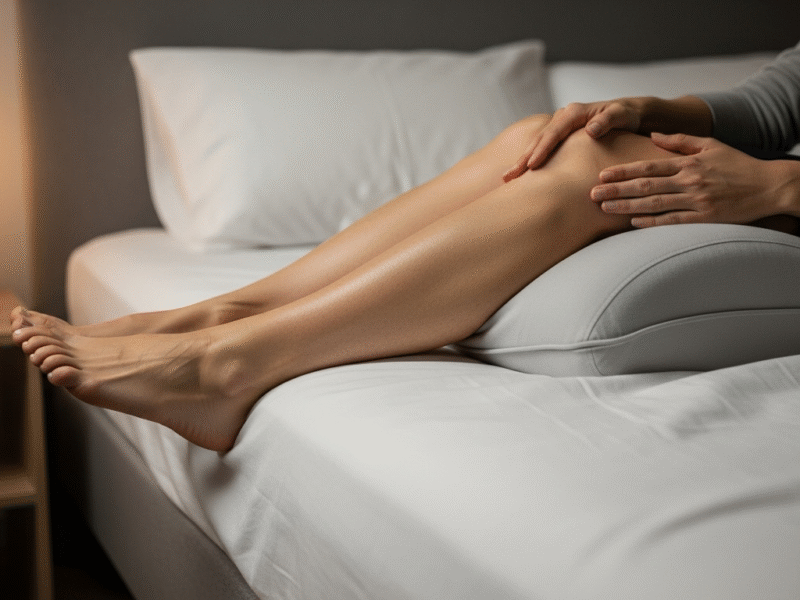
- Elevate the legs comfortably for 15–20 minutes if this does not worsen breathing or other symptoms. For positioning ideas, see the guide to the Medical leg-elevation pillow.
- Walk briefly or perform ankle pumps if safe. Calf contraction helps venous return. See exercises in the guide to venous circulation in the legs.
- Review sodium intake and follow your usual hydration plan. Do not deliberately increase fluids if you have a prescribed restriction or a heart, kidney, or liver condition.
For ongoing prevention
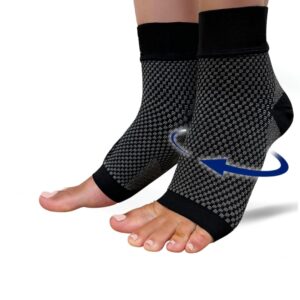
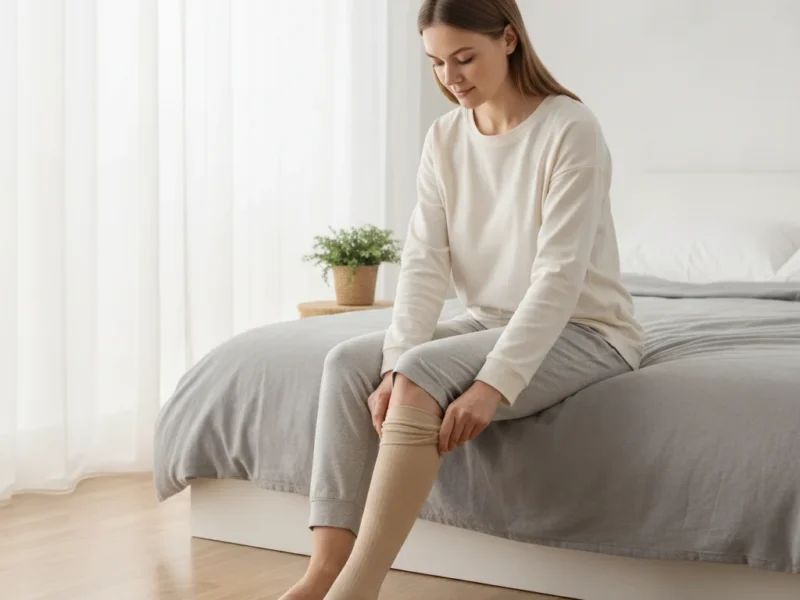
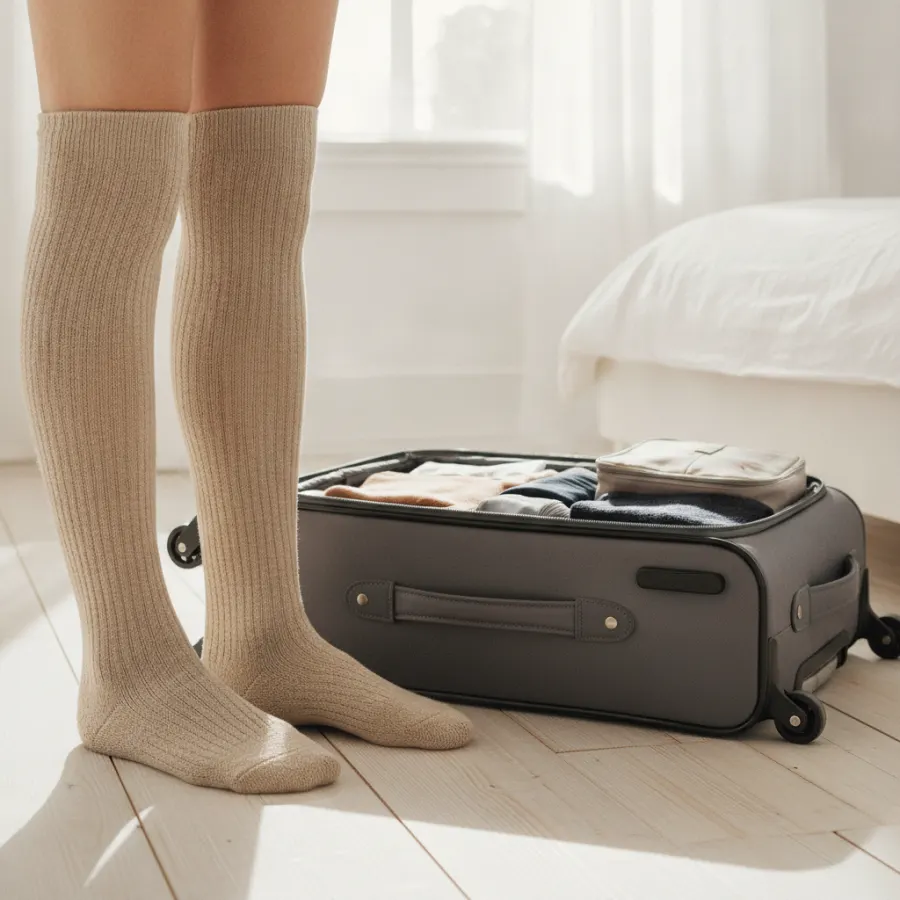
- Compression, when appropriate. Graduated compression stockings can support venous return for some causes of swelling. They require correct sizing and may be unsafe with significant arterial disease, acute skin problems, severe heart failure, or an unassessed possible DVT. One product option is Kinesios compression socks. Ask a qualified clinician or pharmacist whether compression and its strength are appropriate for you.
- Break up prolonged sitting or standing. Change position or move every 30–45 minutes when possible. For more ideas, see the guides to standing work and long drives.
- Manage heat exposure. Use shade, a comfortably cool shower, and light clothing. Avoid extreme cold that could injure the skin.
- At night some people find light leg support comfortable. It does not guarantee prevention of morning swelling and may be inappropriate if lying flat worsens breathing.
Avoid “water retention” supplements, patches, or creams with unproven claims. Horse chestnut extracts vary in processing and safety, can interact with medication, and should not be used as a substitute for diagnosis or evidence-based care.
A brief explanation: why this even happens (video)
For a short general explanation of edema physiology, watch this two-minute video from two university medical educators.
Related topics
Leg swelling can overlap with several related symptoms:
- Bulging, twisted, bluish veins may be varicose veins , a related but distinct issue.
- An urge to move the legs with uncomfortable sensations in the evening may be restless legs syndrome, which does not cause visible edema.
- If the legs feel tired or heavy without visible swelling, read tired and heavy legs.
Frequently asked questions about leg swelling
Is leg swelling always serious?
No. Mild, gradual swelling in both ankles after prolonged sitting, standing, heat, or travel is often dependent edema, especially when it improves overnight. New, one-sided, painful, persistent, or systemic swelling needs assessment.
Why do my legs swell more in the summer than in the winter?
Heat widens blood vessels and may increase dependent fluid movement into tissue. Travel and long periods of sitting can add to the effect. Dehydration should be avoided, but drinking extra water does not treat every cause of edema.
Can a blood pressure medication cause swelling of the legs?
Yes. Calcium channel blockers such as amlodipine commonly cause ankle or lower-leg edema. Discuss new swelling with the prescriber or pharmacist and never stop the medicine on your own.
How quickly should I take action if only one leg is swollen?
Seek urgent same-day assessment for sudden one-sided swelling, particularly with pain, warmth, or redness. Call local emergency services immediately if there is shortness of breath, chest pain, coughing blood, fainting, or a rapid heartbeat.
Do compression socks really help?
They can help some forms of venous or travel-related swelling when correctly fitted. Compression is not suitable for everyone, so ask a clinician or qualified pharmacist about sizing and strength, especially during pregnancy or with heart, arterial, skin, or neurologic conditions.
This article provides general information and does not replace a medical examination. Seek urgent or emergency care for the warning signs above.
Related: swollen legs in summer.
From our store
5 Everyday Tips for Leg Care
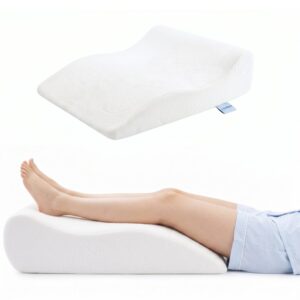
MEDICAL Leg Elevation Pillow