Are You Drinking Enough Water? Hydration and Joint Pain
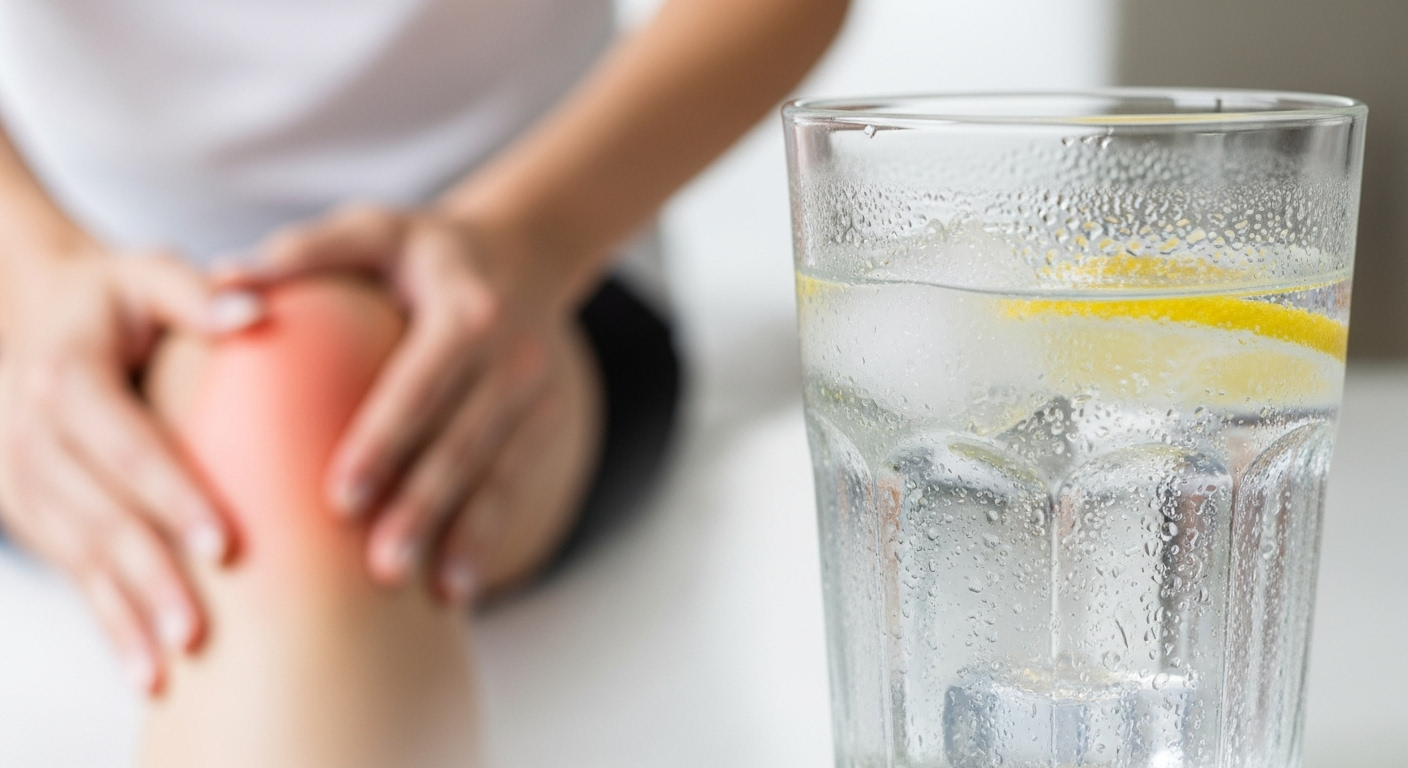
Do your joints feel stiff when you wake up, making everyday tasks such as putting on shoes or rising from a chair more difficult? Joint pain is common, and people often try creams, exercises, or supplements for relief. Drinking enough fluid supports normal body function, but water alone is not a treatment for joint pain. Here is what hydration can and cannot do for joint health.
Why is hydration relevant to joint health?
Joints depend on articular cartilage and synovial fluid for smooth movement. Both contain substantial amounts of water, although the body regulates their composition through more than daily water intake alone.
Synovial fluid: the body’s joint lubricant
Synovial fluid is a viscous liquid that lubricates joint surfaces, reduces friction, and helps the bones move smoothly. It consists largely of water, hyaluronic acid, and other substances. Normal hydration supports the body’s fluid balance, but drinking extra water has not been shown to increase synovial fluid or directly lubricate a painful joint.
Water and cartilage: supporting shock absorption
Articular cartilage covers the ends of bones in a joint and helps distribute loads during walking, running, and jumping. It contains approximately 80% water, and this water contributes to its ability to deform under pressure and recover. Unlike a household sponge, however, cartilage is living tissue with a specialized matrix, and damaged cartilage cannot simply be restored by drinking more water.
Dehydration and joint pain: what is known
Dehydration occurs when the body loses more fluid than it takes in. The body responds by conserving water and maintaining blood flow to vital organs. Mild dehydration can affect general well-being and physical performance, but it is not known to selectively remove water from the joints.
It helps to separate established effects from common assumptions:
- Synovial fluid: The body regulates synovial fluid, and brief mild dehydration does not make joint surfaces grind against one another. Adequate fluid intake supports overall fluid balance, while persistent joint pain or swelling needs assessment for another cause.
- Cartilage water content: Water is essential to the mechanical properties of cartilage, but drinking extra water does not rehydrate worn or damaged cartilage or prevent degenerative joint disease on its own.
- Waste removal: The kidneys use water to remove waste from the bloodstream. Ordinary dehydration does not cause unspecified toxins to collect specifically in the joints, although severe dehydration can impair kidney function and requires attention.
Chronic dehydration can affect health, but evidence does not establish it as a direct cause of osteoarthritis. Maintain a suitable fluid intake and seek medical advice for persistent stiffness, swelling, or pain.
Hydration with arthritis: a supportive habit, not an anti-inflammatory treatment
People with arthritis should avoid dehydration for the same general health reasons as everyone else. Water supports normal circulation and kidney function, but it does not thin the blood or flush inflammatory mediators from the joints in a way that treats arthritis. Continue any treatment plan recommended by your clinician.
In gout, uric acid crystals can collect in joints. Drinking enough fluid supports kidney function and urine production and may form part of gout prevention advice, particularly for people prone to kidney stones. It does not replace urate-lowering medication or treatment for an acute attack. For a broader discussion of eating patterns and inflammation, read Anti-Inflammatory Eating: An Everyday Meal Plan.
How to stay hydrated: practical everyday tips
Understanding hydration is one thing; drinking enough throughout the day is another. These simple approaches can help you maintain a regular fluid intake.
How much water is enough?
Eight glasses, or approximately 2 liters, of water a day is a common guide, but individual needs vary with age, body size, activity, health, medication, diet, and climate. Food and other drinks also contribute fluid. Pale-yellow urine often suggests adequate hydration, while darker urine may indicate that you need more fluid. Some medicines and health conditions can also change urine color.
Tips for staying hydrated:
- Carry a water bottle: Keep it within reach at your desk, in the car, or in your bag so that drinking regularly is easier.
- Set reminders: Use a phone app or an alarm to remind yourself to drink at regular intervals, especially if you tend to forget.
- Eat water-rich foods: Many fruits and vegetables contain plenty of water. Options include cucumber, watermelon, strawberries, oranges, and lettuce.
- Drink around mealtimes: A glass of water 30 minutes before a meal can contribute to your daily fluid intake. Research on whether this helps with weight management is mixed, so treat it as a hydration habit rather than a weight-loss method.
- Include water at the start and end of your day: Drinking water after waking can replace fluid lost overnight. Drink near bedtime only as thirst and your health needs require, since too much may interrupt sleep.
What are the best drinks for hydration?
Plain water is a practical everyday choice because it contains no calories or added sugar. It is not the only source of fluid. Milk and other drinks can also contribute, and some beverages retain fluid for longer because they contain nutrients and electrolytes.
| Drink | Hydration and nutrition considerations | Notes |
|---|---|---|
| Plain water | Provides fluid without calories or sugar and supports normal fluid balance. | A reliable choice for everyday drinking. |
| Milk | Provides fluid, protein, carbohydrate, fat, and sodium; these nutrients may slow gastric emptying and help retain fluid. It also supplies calcium for bone health. | One option after exercise if it suits your diet and digestion. |
| Unsweetened herbal tea | Contributes to fluid intake; ingredients such as ginger or turmeric provide flavor, although the amount in tea may not have a clinical anti-inflammatory effect. | Check the ingredients and avoid products or herbs that conflict with your medicines or health conditions. |
| Coconut water | Contains electrolytes including potassium, sodium, and magnesium, which contribute to fluid balance. | Choose an unsweetened product and consider its potassium content if you have kidney disease. |
| Homemade bone broth | Provides water and sodium. Collagen and glucosamine content varies, and ordinary broth has not been shown to treat joint disease. | A warm savory fluid option, especially in colder weather; watch the sodium content if needed. |
What should you limit?
Some drinks add large amounts of sugar or make it harder to maintain fluid balance. Consider limiting:
- Sugar-sweetened drinks and fruit drinks: High added-sugar intake can contribute to excess calorie intake and weight gain, which may increase loading on weight-bearing joints.
- Alcohol: Alcohol can increase urine output and, especially in larger amounts, contribute to dehydration.
- Excessive coffee: Caffeine has a mild diuretic effect, although moderate coffee intake usually still contributes to hydration in people who drink it regularly.
A broader approach to joint health
Maintaining hydration supports general health, but it is only one part of caring for painful joints and does not replace diagnosis or treatment. Regular low-impact activity such as walking, swimming, or cycling may help maintain joint mobility and strengthen the muscles that support the joints.
Reducing unnecessary load can also help weight-bearing joints. Properly fitted Shoe insoles – Comfort may alter pressure distribution during walking for some people, although the effect on knee or hip pain varies. Maintaining a healthy body weight can reduce load on weight-bearing joints, and a balanced Mediterranean-style diet can support overall health.
Joint care is a long-term process. A glass of water is a simple way to support normal hydration, but ongoing pain, swelling, warmth, or loss of movement deserves medical assessment.
For more information about non-drug approaches to joint symptoms, read our article on natural approaches to osteoarthritis.
Sources:
- Harvard Health Publishing: How Much Water Should You Drink?
- Arthritis Foundation: Hydration for Joint Health
From our store