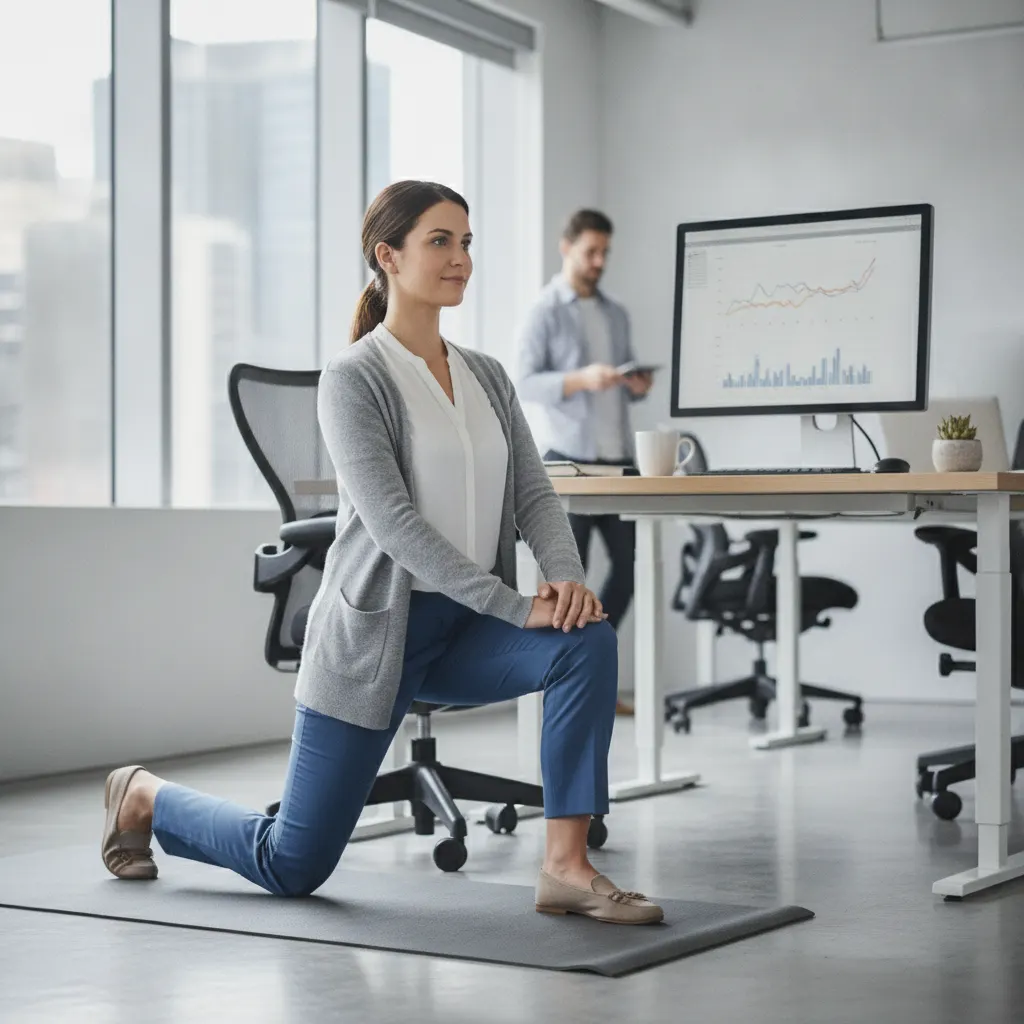
5 Stretches to Do After Each Hour of Sitting
After an hour of sitting, the hips may feel tight, the shoulders may slump, and the neck may feel stiff. A simple routine includes five targeted stretches for the hip flexors, hamstrings, chest and upper back, neck, and calves. Hold each for 20–30 seconds and repeat the routine about once an hour. Below are step-by-step instructions, what each movement stretches, and how often to repeat it.
Why get up and stretch?
Prolonged sitting affects the body in several ways, from muscle tightness to reduced circulation. We explain what happens during long periods of sitting and why movement throughout the day matters more than any single exercise in the article The Effects of Prolonged Sitting and What Actually Helps. Here, we focus on one practical routine that takes about five minutes whenever you get up from your desk.
What stretching does and does not do Releasing tight muscles can feel good and temporarily restore joint mobility. This is well documented. Stretching alone, however, has not been shown to prevent back pain. The most important mechanism is simply interrupting sitting : getting up, whether you spend five minutes exercising or walk to the kitchen for water. If you have time for only one of these, choose to get up and move.
5 stretches to do after each hour of sitting
Hold each stretch for 20–30 seconds without bouncing, breathe calmly, and stop if you feel sharp pain. A stretch should feel comfortable, not painful. The routine takes about 4–5 minutes.
| Exercise | Targets | Duration |
|---|---|---|
| Forward lunge | Hip flexors (front of the hip) | 20–30 sec. on each side |
| Hamstring stretch | Hamstrings | 20–30 sec. on each leg |
| Chest opener | Chest muscles and upper (thoracic) spine | 20–30 sec., 2 repetitions |
| Side neck stretch and forward neck stretch | Neck and upper neck muscles | 15–30 sec. on each side |
| Calf stretch | Calves (gastrocnemius) | 20–30 sec. on each leg |
1. Forward lunge: hip flexors
Step into a lunge with your right foot forward and lower your left knee toward the floor, placing a folded towel beneath it if needed. Gently move your hips forward until you feel a stretch at the front of your left hip. Keep your torso upright. Hold for 20–30 seconds, then switch sides. This movement targets the hip flexors, which remain in a shortened position while you sit.
2. Hamstring stretch
Sit at the edge of a chair, extend one leg in front of you with the heel on the floor and toes pointing upward. Keeping your back straight, slowly hinge forward at the hip until you feel a stretch along the back of your thigh. Hold for 20–30 seconds, then switch legs. You can also do the exercise standing with one foot on a low step or the edge of a sturdy surface.
3. Chest and upper-back opener
Sitting or standing, interlace your fingers behind your back, straighten your elbows slightly, and slowly lift your hands while opening your chest and drawing your shoulder blades together. Bring your chest forward and tuck your chin slightly. Hold for 20–30 seconds and repeat twice. This stretches chest muscles that can become tight while working at a keyboard and encourages extension through the thoracic spine, which often rounds forward while sitting. If you frequently have pain between your shoulder blades, learn more in the article Pain Between the Shoulder Blades: Causes and What May Help.
4. Side and forward neck stretch
Sit upright. Slowly tilt your head toward your right shoulder as if bringing your ear toward it, keeping both shoulders relaxed and down. Hold for 15–30 seconds, then repeat on the left. Next, interlace your fingers behind your head and gently guide your head forward until your chin moves closer to your chest. Move slowly and without jerking because the neck is the most sensitive area in this routine.
5. Calf stretch
Stand in front of a wall or chair. Step one foot back with the knee straight and heel on the floor, and bend the other knee in front of you. Place your hands on the support and move your hips forward until you feel a stretch in the calf of the back leg. Hold for 20–30 seconds, then switch legs. The calves get little attention while sitting, but long periods without movement also slow blood flow in the legs, making this stretch a useful addition to the routine.
How often and how long should you stretch?
A general guideline for static stretching is to hold the position for 15–30 seconds, breathe calmly, and avoid bouncing or jerking. This is also recommended by Mayo Clinic in its stretching guide. The same principles apply to the office routine described in Mayo Clinic’s collection of office exercises. There is no strict schedule for repeating the routine. A practical guideline is to do it whenever you get up, about once an hour, or as often as your work schedule allows.
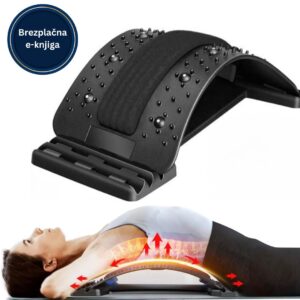
For a deeper, more targeted back stretch, an aid such as the Spinal stretcher – BackFix can provide a controlled stretch alongside the exercises above.
When to seek professional care
This is a general routine and not a substitute for medical advice. Speak with a doctor or physical therapist if pain is sharp, radiates into a leg or arm, is accompanied by tingling, numbness, or weakness, or persists despite regular movement and stretching. The same applies if you frequently have sciatic pain in addition to discomfort from sitting. We discuss ways to manage it in the article Sciatica and Sitting: How to Ease the Pain.
Video: office stretching routine
For a visual demonstration, watch this short routine by physical therapist Michelle Kenway showing upper-back stretches for a break from sitting.
Frequently asked questions
Is stretching without getting up enough?
Not entirely. Stretching can loosen tight muscles, but simply standing and moving provides much of the benefit. Walking to the kitchen or to get water counts just as much as a minute of exercises. The aim is to interrupt continuous sitting, not only to stretch in place.
Which exercise matters most if I have little time?
If you have time for only one exercise, choose the forward lunge for the hip flexors, which stay in a shortened position while you sit and influence lower-back posture. In less than a minute, you can also stretch the hamstrings by following the lunge with a forward hinge over an extended leg.
Can stretching make pain worse?
A properly performed stretch should feel comfortable, never painful. If you feel sharp or stabbing pain during an exercise, stop immediately and reduce the range of motion. Persistent or increasing pain is not a reason to deepen the stretch; it is a reason to consult a professional.
How often should I repeat the routine during the day?
A practical guideline is once for each hour of sitting, or more often if your work allows. Consistency matters more than a precise schedule. A short break every hour may be more useful than one long stretching session at the end of the day.
What else can I do besides stretching?
Set up your workspace ergonomically and use a comfortable sitting posture. Both can reduce how quickly muscles become tight. Read our guide to home-office ergonomics and tips for better sitting posture. For ideas on adding more movement throughout the day, not only during desk breaks, see How to Move More During the Day: 10 Simple Habits.
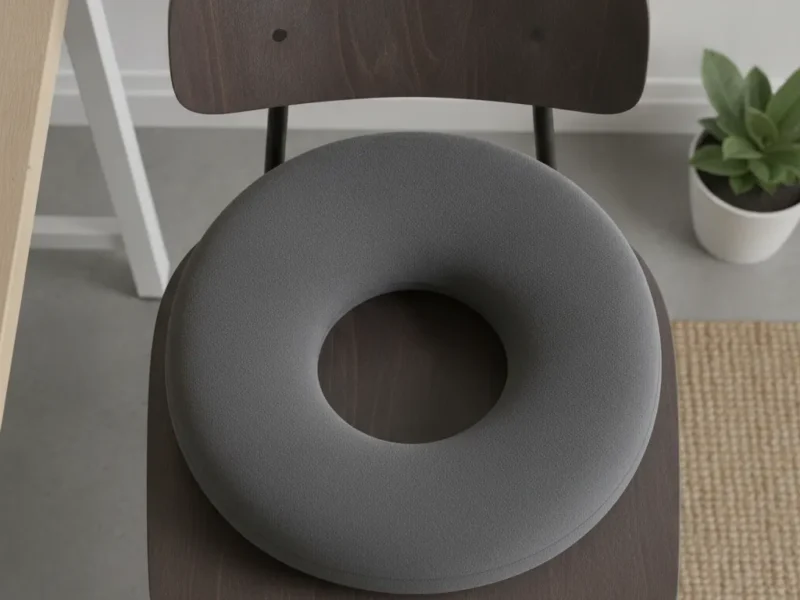
On days when you cannot avoid long periods of sitting, additional support may be provided by the ComfortLux seat cushion. If you want to compare cushions for different concerns, see our guide to choosing a seat cushion, or browse the stretching products category.
From our store
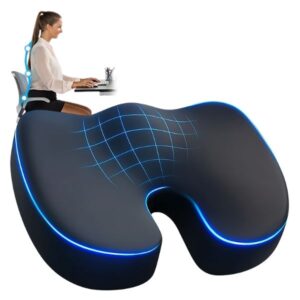
ComfortLux seat cushion