
How to Reduce the Risk of Varicose Veins: Leg Elevation and Other Tips
Do your legs feel heavy after a long day? Have you noticed bluish, enlarged veins that concern you? You are not alone. Varicose veins affect a large part of the population, especially women. They are more than a cosmetic concern because tired, painful, and swollen legs can substantially affect quality of life. Although not every risk factor can be changed, suitable measures may help manage symptoms and reduce avoidable risks. Effective varicose vein prevention begins with understanding what you can and cannot change.
This guide explains why varicose veins develop, how to recognize early signs, and which practical lifestyle changes may support long-term leg health.
What are varicose veins, and why do they develop?
Veins return blood from the body toward the heart. To move blood upward from the legs against gravity, veins contain small valves that act as one-way gates. When these valves weaken or become damaged, blood can pool in the veins. The increased pressure causes veins to enlarge, twist, and become visible beneath the skin. These are varicose veins, also called varices.
Several risk factors influence the development of varicose veins. Some cannot be avoided, while others can be modified:
- Family history: genetic predisposition is an important factor. If your parents had varicose veins, your risk may be higher.
- Age: venous valves naturally weaken with age, increasing risk.
- Sex: women are more susceptible to varicose veins, partly because of hormonal changes during pregnancy, menstruation, and menopause.
- Pregnancy: increased blood volume, pressure from the uterus on pelvic veins, and hormonal changes contribute to varicose veins during pregnancy.
- Excess body weight: additional body weight increases pressure on the veins in the legs.
- Prolonged sitting or standing: an inactive lifestyle and jobs that require long periods of sitting or standing can hinder normal blood flow.
Recognize early signs: when should you act?
Varicose veins usually develop gradually. Watch for early signs and symptoms of venous insufficiency, as early action may help slow progression. Common early symptoms include:
- A feeling of heavy, tired, or aching legs, especially in the evening.
- Swelling of the ankles and feet.
- Itching or burning around one or more veins.
- Nighttime cramps in the leg muscles.
- Visible blue or purple spider veins.
If you notice these signs, consider measures that support venous health and seek medical advice if symptoms persist or worsen.
A broad approach to reducing varicose vein risk
A practical approach combines several measures, including movement, a balanced diet, and habits that fit into daily life. The main areas are described below.
Movement matters: activity and varicose vein risk
Regular physical activity supports venous return. Movement activates the calf muscles, sometimes called the “second heart,” which help pump blood from the legs toward the heart. This can reduce venous pressure and support circulation.
Suitable activities include:
- Walking: simple and effective. Aim for at least 30 minutes a day if appropriate for you. Learn more about walking in our article 10 Reasons Walking Is Good for You.
- Cycling: strengthens the leg muscles with relatively little impact on the joints.
- Swimming: water provides external pressure and may feel soothing for swollen legs.
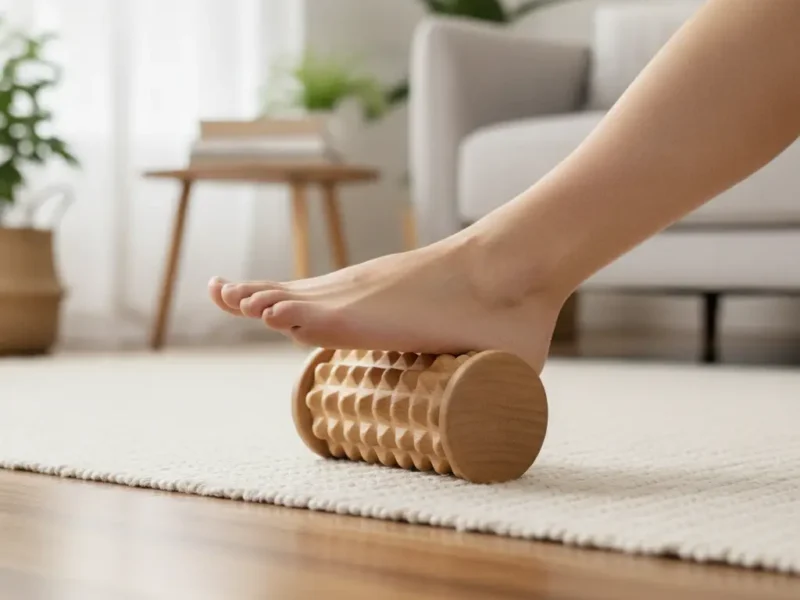
- Vein-supporting exercises: simple movements such as ankle circles and calf raises can be done at home or in the office.
Avoid prolonged sitting or standing. If your job is sedentary, stand, walk, and stretch regularly. Learn more about prolonged sitting and ways to reduce it in the article Prolonged Sitting and How to Protect Your Health.
Eating habits that support general vascular health
A balanced diet supports general cardiovascular health and weight management. Include fiber-rich foods and a range of fruit and vegetables, and limit foods that make weight management more difficult.
Which nutrients may support general health?
Focus on foods rich in fiber, flavonoids, and potassium.
| Nutrient | Potential role | Sources |
|---|---|---|
| Fiber | Helps prevent constipation, which can increase abdominal pressure. | Whole grains, legumes, fruit such as apples and pears, and vegetables such as broccoli and carrots. |
| Flavonoids | Antioxidant compounds studied for effects on blood vessels and inflammation. | Berries such as blueberries and raspberries, citrus fruit, buckwheat, dark chocolate, and green tea. |
| Potassium | Helps regulate fluid balance in the body. | Bananas, avocado, potatoes, spinach, beans. |
Limit excess salt, which can contribute to fluid retention, and limit highly processed foods, saturated fat, and added sugar as part of a balanced diet and weight-management plan. Drink enough water throughout the day.
Managing varicose vein risk at home: practical measures
Alongside movement and eating habits, small daily changes may help ease symptoms and reduce factors that contribute to worsening venous problems.
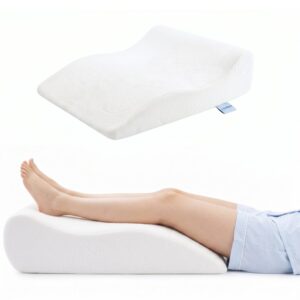
- Leg elevation: several times a day, especially in the evening, elevate the legs above heart level for 15–20 minutes. Gravity may help pooled blood return from the legs and reduce swelling. For stable support while resting, one option is the Leg pillow – Medical, which is shaped to support an elevated position.
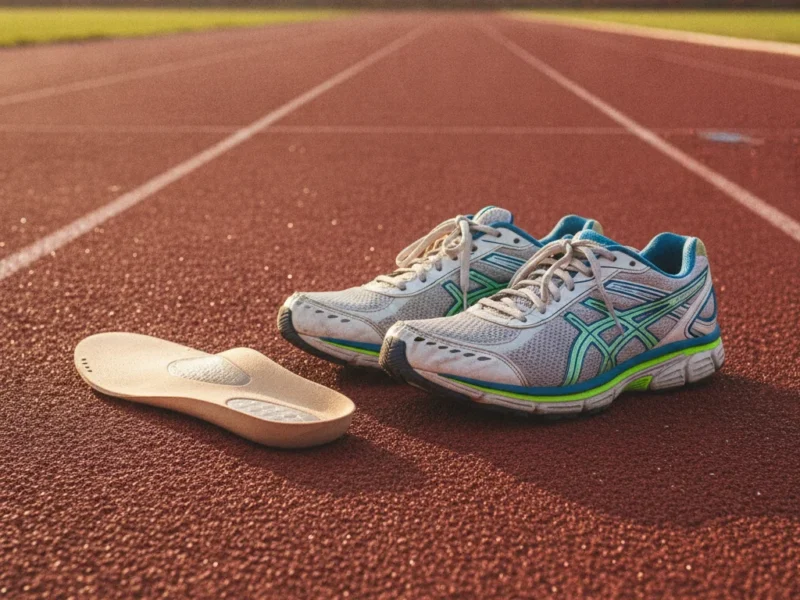
- Suitable clothing and footwear: avoid very tight clothing, especially around the waist, groin, and legs, because it may restrict blood flow. Avoid high heels for long periods and choose comfortable, stable footwear that allows the calf muscle pump to work.
- Compression socks: graduated compression socks apply pressure to the legs and may support venous return. They are often considered for long trips, pregnancy, or jobs that require prolonged sitting or standing; ask a healthcare professional whether compression is suitable for you.
Plant-derived options for symptom relief
Some herbal ingredients and extracts have been studied for symptoms of chronic venous insufficiency, but they do not repair damaged venous valves or replace medical care.
Horse chestnut seed extract and its active component, aescin, have been studied for swelling and heaviness associated with chronic venous insufficiency. Evidence and formulations vary, and results from oral standardized extracts do not automatically apply to topical products. For a cooling skin-care option, see ZIAJA leg gel with horse chestnut extract. It provides a cooling cosmetic treatment for tired-feeling legs. Learn more about home symptom management in our guide 9 Natural Ways to Manage Varicose Vein Symptoms at Home.
When should you seek medical care?
Preventive measures and home care may help with symptoms, but some cases require a doctor. See your primary care doctor or a vein specialist if:
- Varicose veins are very painful, swollen, or warm to the touch.
- The skin around the veins develops redness, a rash, darkening, or hardened areas.
- A wound or ulcer develops and does not heal.
- Home measures do not provide relief or the condition worsens.
A doctor can assess the condition with tests such as venous ultrasound and discuss further treatment if needed. You can find more information about venous disease from the Slovenian National Institute of Public Health.
Conclusion: take a practical first step for your legs
Varicose veins are common, but understanding risk factors and using timely, consistent varicose vein prevention may help slow progression and improve comfort. A broad approach includes regular movement, a balanced diet, appropriate care, and practical daily habits.
Related: compression for varicose veins.
Related: proper leg-elevation technique.
Related: what helps nighttime leg cramps.
From our store