Walking on uneven terrain: foot strength, balance, and safety
Walking on grass, trails, sand, or gravel challenges the feet and balance system differently from walking on a smooth floor. It may add useful variety for some people, but it is not a treatment for every foot problem and it also increases the risk of trips, falls, and ankle sprains.
This article explains how varied terrain changes the demands of walking, how to begin gradually, and when a medical or mobility condition calls for extra caution.
How does the walking surface change foot demands?
Each foot contains 26 bones, 33 joints, and more than 100 muscles, tendons, and ligaments. Together, these structures adapt to the surface, transfer load, and help maintain stability.
Shoes and smooth surfaces affect how the feet move, but they do not automatically make foot muscles “lazy.” Strength and balance depend on activity, health, footwear, previous injuries, and other factors. Varied walking can be one way to challenge these systems.
What changes on uneven terrain?
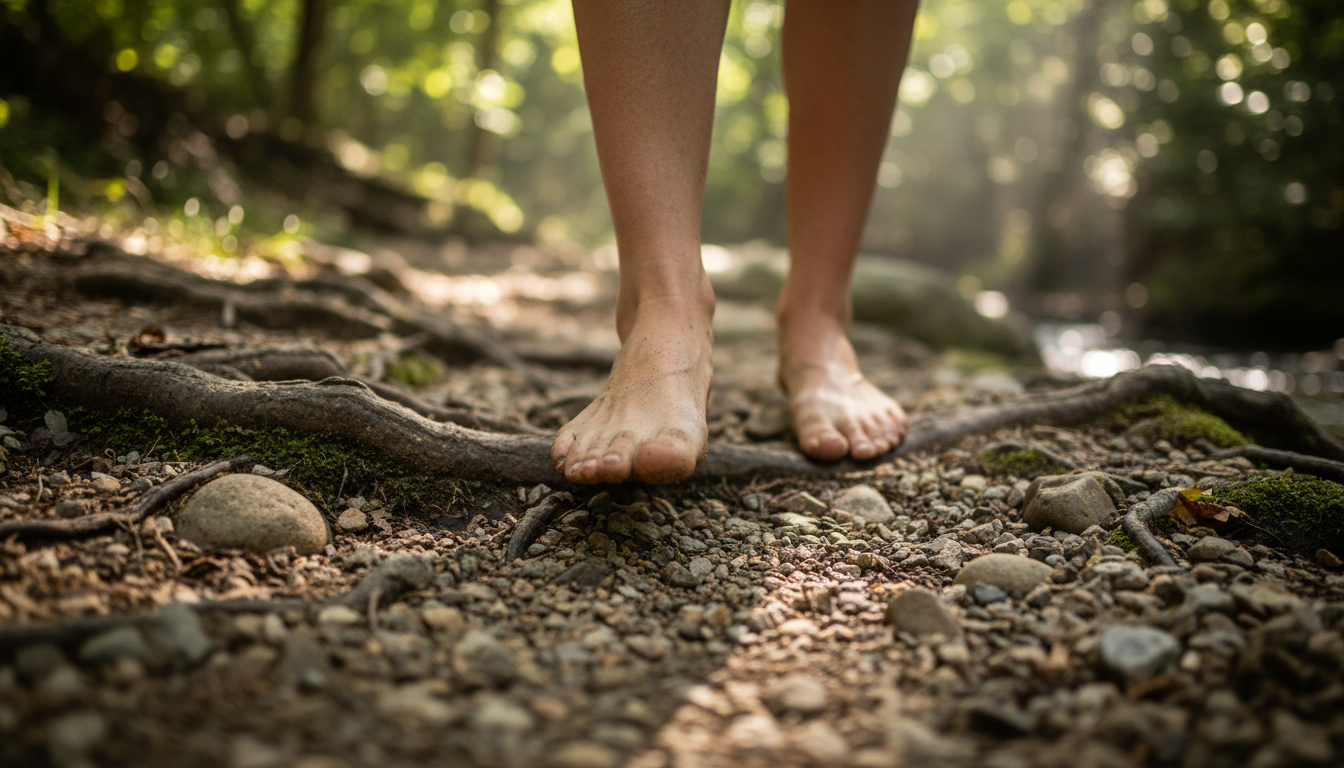
Each step on a trail, grass, sand, or gravel may differ in angle and firmness. The feet, ankles, legs, and balance system must make ongoing adjustments.
Strengthening the intrinsic muscles of the feet
Intrinsic foot muscles contribute to arch control and balance. Exercise studies have reported strength and function changes after programs lasting about eight weeks, but this does not establish that ordinary uneven-terrain walking prevents or treats flat feet.
Improvement of balance and proprioception
Proprioception is the ability to sense body position and movement. Uneven terrain provides changing sensory and movement demands that may challenge balance. Whether it reduces falls or ankle sprains depends on the person, training, exposure, and environment.
Increased joint mobility
Uneven surfaces generally require more varied movement at the foot and ankle than a flat path. Gradual exposure may help maintain movement capacity, while abrupt or excessive exposure can aggravate symptoms.
Sensory stimulation and circulation
Grass, sand, roots, and rounded stones create different sensations beneath the foot. Walking activates the calf-muscle pump and circulation, but uneven terrain has not been established as reflexology treatment or a way to accelerate lymph flow or reduce medical swelling.
Considerations for specific foot conditions
Existing pain or deformity changes whether uneven terrain is appropriate. It should not be presented as general prevention or treatment.
Does uneven-terrain walking help plantar fasciitis?
Plantar heel pain can be aggravated by sudden increases in walking, particularly on hard or irregular ground. Some people tolerate softer surfaces, but terrain walking is not a proven stand-alone treatment. Adjust activity gradually and follow a diagnosis-appropriate plan. Read more in Plantar fasciitis: causes, symptoms, and treatment options.
What about flat feet?
Flat feet have several possible causes, and adult-acquired flatfoot can involve tendon dysfunction rather than simple muscle weakness. Foot exercises may help strength and function in selected cases, but uneven-terrain walking does not rebuild every arch or replace assessment of a painful or changing foot shape.
Risks and how to reduce them
Uneven terrain increases the demand on balance and the ankle and can raise the risk of trips, falls, sprains, or overuse, especially when it is unfamiliar. Consider these precautions:
- Start gradually: Begin with a short walk on a relatively even natural surface rather than a rocky or steep route.
- Watch your step: Watch out for roots, stones, and other obstacles.
- Listen to your body: Stop for sharp pain, sudden instability, dizziness, or symptoms that continue to worsen. Do not push through signs of injury.
- Choose appropriate footwear: The next section discusses footwear.
Practical guidance for getting started
Choose a route, duration, footwear, and support appropriate to your experience and mobility. General benefits of walking are well established, while the additional benefits of uneven terrain are less certain and need to be balanced against fall risk.
Choosing the right footwear
Footwear depends on the route and the person. Prioritize secure fit, toe room, traction, and enough protection for the surface. Minimalist footwear requires gradual adaptation and is not suitable for everyone. Insoles may change comfort or pressure for some people but do not guarantee “correct” alignment. One optional product is the Active + Comfort orthopedic insole set, with one pair intended for activity and another for everyday comfort.
Example plan for gradual exposure to uneven terrain
| Week | Type of terrain | Example duration and frequency | Advice |
|---|---|---|---|
| Weeks 1–2 | Grass, sand, or well-maintained trails | 2–3 times per week for 15–20 minutes, if comfortable | Watch the surface and note how your feet and ankles respond during and after the walk. |
| Weeks 3–4 | Less even trails with small roots or stones | 2–3 times per week for 20–30 minutes, only if the earlier stage was well tolerated | Pay close attention to foot placement and balance. |
| Week 5 and beyond | More varied terrain, small hills, or gravel paths | Increase duration or difficulty gradually, one variable at a time. | Consider trekking poles if you know how to fit and use them safely. |
Simple preparation exercises
A brief warm-up may make the first minutes more comfortable. The following movements do not guarantee faster recovery:
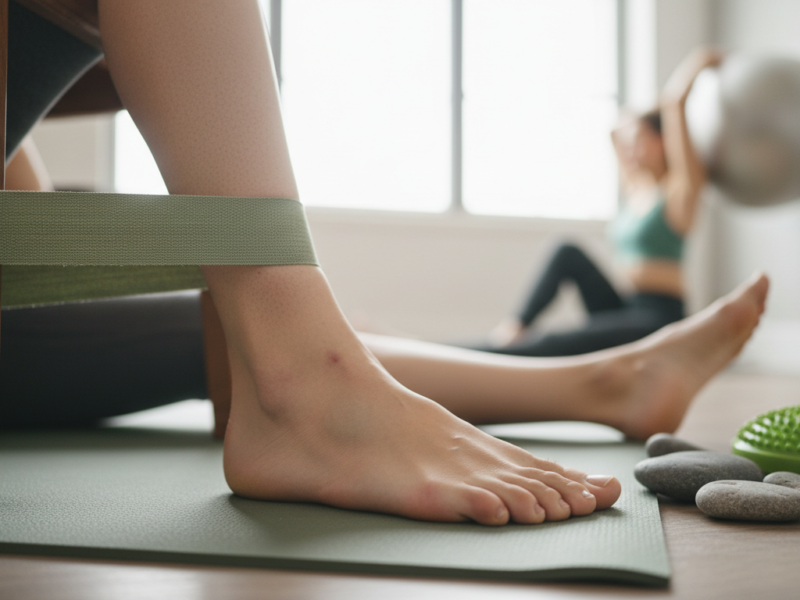
- Ankle rotations: While seated or standing with support, make comfortable ankle circles in both directions.
- Towel scrunches with the toes: place a small towel on the floor and use the toes to gather it toward you. Stop if it causes cramping or pain.
- Calf stretching: Face a wall with your hands supported. Step one leg back, keep the heel down, and lean forward until you feel a gentle calf stretch.
When to seek professional advice
Uneven terrain may be unsafe for people with reduced foot sensation, poor circulation, significant balance impairment, acute injury, or certain painful foot conditions. If you have diabetes with peripheral neuropathy, ask your diabetes care team or podiatrist before trying it. Seek care for severe or persistent pain, new swelling or redness, deformity, a wound, or an inability to bear weight.
Variety with appropriate caution
Varied terrain can challenge foot and ankle movement and balance. It is a form of physical activity rather than a fundamental therapy, and the benefit depends on the person and dose.
Begin slowly, choose terrain appropriate to your current ability, and use footwear or mobility support that helps you walk safely.
This content is for general information and does not replace medical, podiatric, or physical therapy advice. Consult a qualified clinician about persistent symptoms or whether uneven terrain is appropriate for you.
Related: insoles for hiking.
Related: dry skin and cracked heels.
From our store