Health > Popular > Insoles
Three things to consider when heel pain affects your day
Sharp heel pain, aching arches and throbbing feet can make everyday activities difficult. Understanding what aggravates your symptoms is a useful first step. If pain is severe, keeps returning or limits your normal activities, seek advice from a healthcare professional.
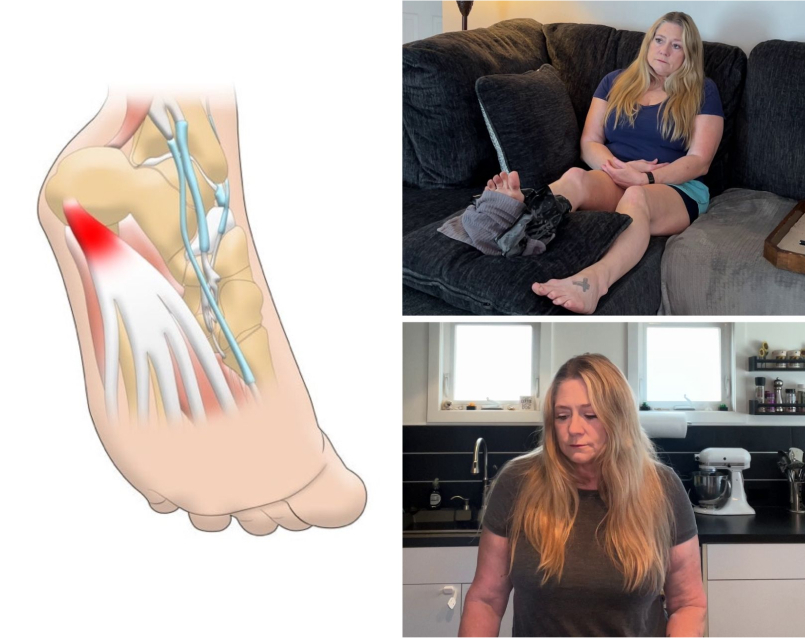
How much has foot pain disrupted your routine?
Perhaps you have missed evening walks, family outings or time at work.
Stretching, suitable footwear and pain relief may all have a place in managing symptoms. The right approach depends on the cause of your pain.
Here are three factors to consider, along with what to look for in footwear and insoles for everyday comfort.
Three factors that can contribute to heel discomfort
It is easy to assume that sore feet are simply part of getting older, or to blame your weight or exercise routine. Heel pain can have several causes, and it is worth understanding yours.
Remember, heel pain is not an inevitable part of aging.
Your footwear, daily activities and approach to symptom management can all matter.
1. Shoes and insoles that do not suit your feet
Footwear affects how comfortable your feet feel throughout the day. When the heel is sore, the fit of the shoe and the position of its support and cushioning are worth checking.
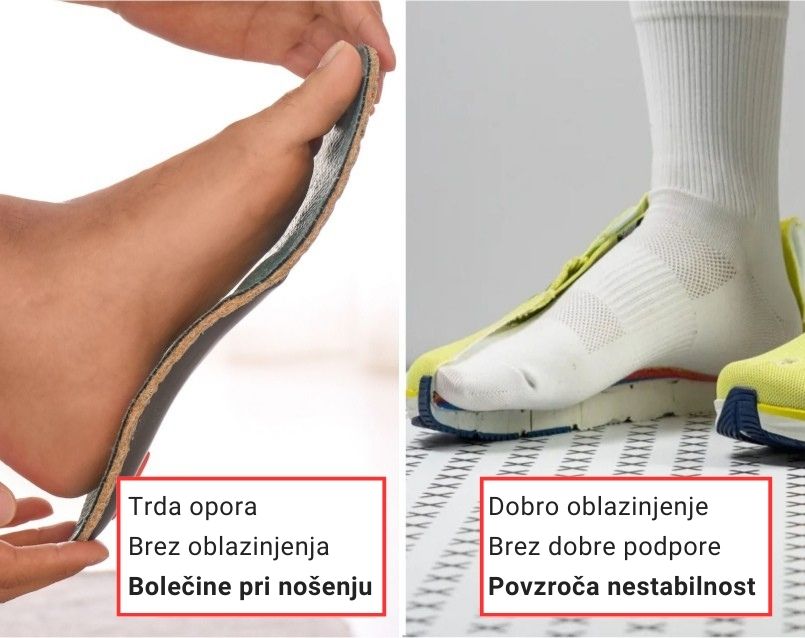
A shoe that is too tight, or an insole that feels uncomfortable under your arch or heel, may add to your discomfort. More support is not automatically better if the fit is wrong.
Pain can also change how you walk. If you develop discomfort elsewhere or your symptoms persist, get professional advice rather than assuming an insole will solve the problem.
2. Relying on short-term relief alone
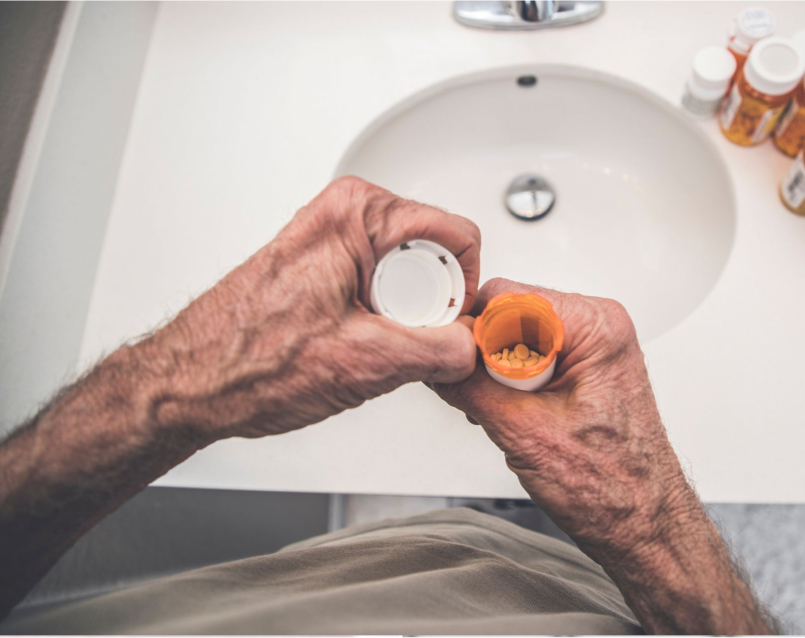
Pain relief can help with symptoms, but it does not necessarily address their underlying cause. A pharmacist or healthcare professional can advise on suitable options.
When pain eases, it can be tempting to do more without noticing how much time you are spending on your feet. Pay attention to how your feet respond during and after activity, and adjust your routine if discomfort increases.
In other words, pain relief is one part of symptom management, alongside understanding the cause and choosing an appropriate balance of activity, rest and treatment.
The aim is a plan that suits your symptoms and daily routine.
3. Spending long hours on your feet
A few minutes of stretching may be useful, but it is also worth considering your whole day: exercise is only one part of the picture when your work or routine keeps you on your feet for 8 or 10 hours.
Physical therapy, appropriate stretching and exercise can help with some causes of heel pain. If you also spend many hours standing or walking, consider your footwear, opportunities for breaks and the amount of activity your feet can comfortably tolerate.

What to look for in an insole
An insole should feel comfortable beneath your arch and heel, with a balance of support and cushioning that works in your shoes. A very hard or very soft feel is not necessarily the right choice for everyone.
Over-the-counter insoles come in a variety of designs. Compare their materials, shape and level of support rather than relying on a promise of fast pain relief.
An insole that suits one person may not suit another. Look for cushioning and support that feel comfortable with the shoes and activities you have in mind.
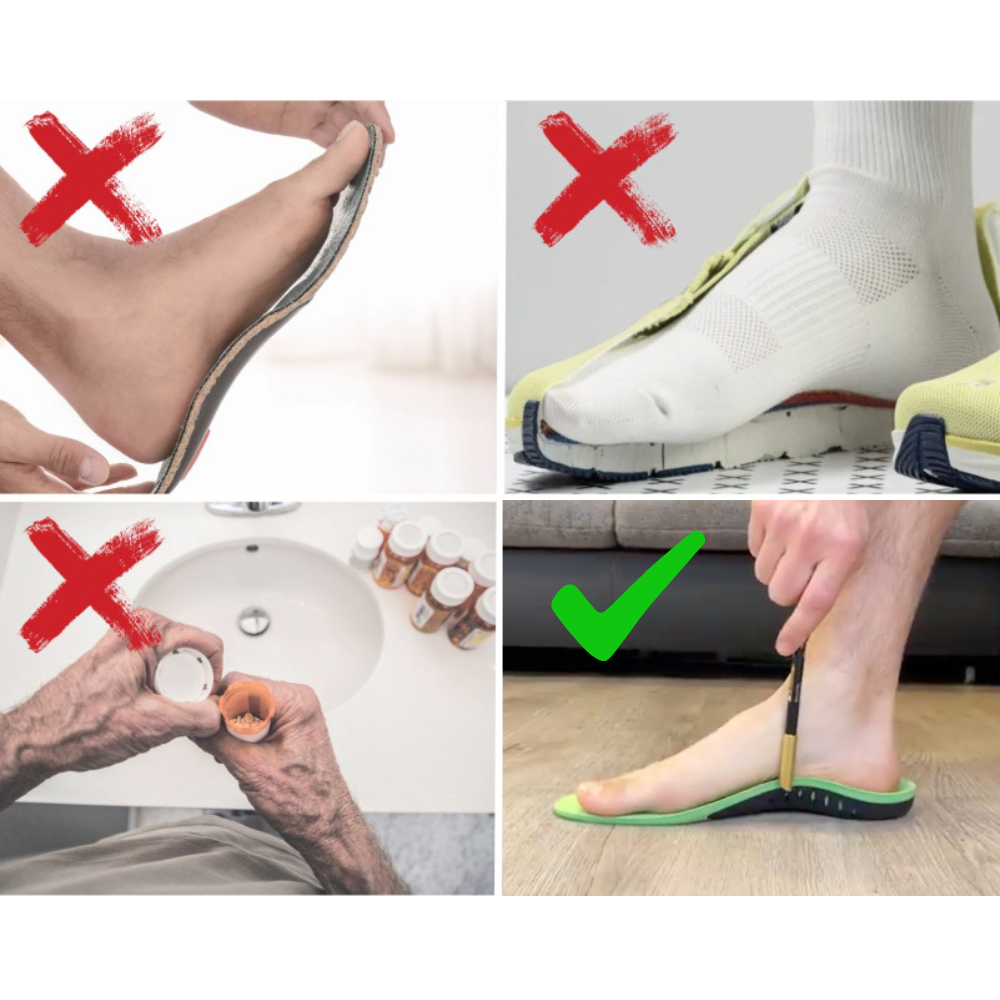
For everyday use, consider insoles with cushioning under the heel and support beneath the arch. Check that they fit securely and leave enough room in your shoes. Insoles can support comfort, but they are not a guaranteed treatment for the cause of heel pain.
One option to explore is ORTHEXA.
Why consider ORTHEXA insoles?
Insoles from ORTHEXA combine cushioning and support for everyday footwear.
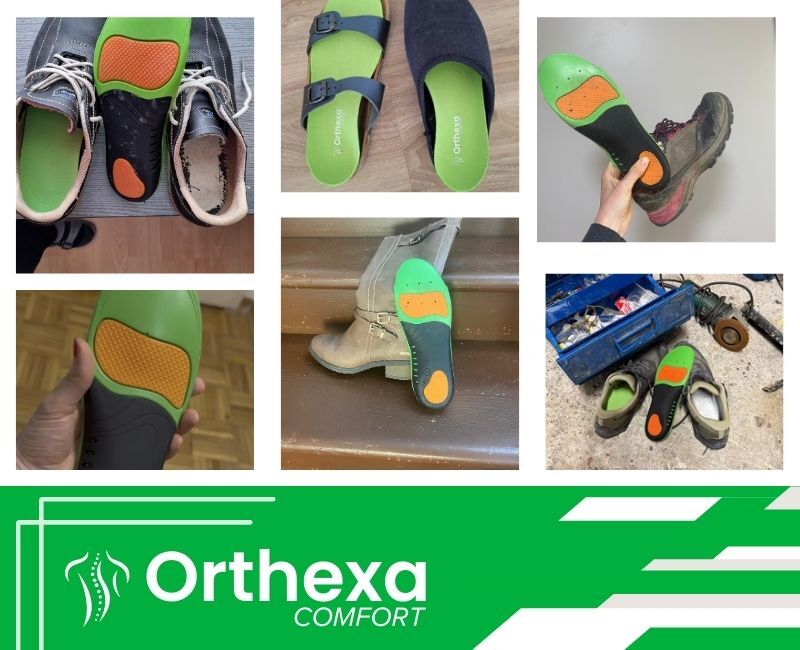
The Comfort design brings together a supportive structure, a shaped heel cup and cushioned areas. Here is a closer look at those features.
The design of ORTHEXA Comfort insoles:
- Provides structured support beneath the foot.
- Combines a supportive base with cushioning for everyday use.
- Includes cushioning to soften the feel of each step.
- Has a contoured section beneath the arch.
- Uses a shaped heel cup to cradle the heel.
- Combines PU foam, TPU, gel and fabric, as listed in the product specifications.
How to get a comfortable fit
Choose the correct size, check the fit in each pair of shoes and follow the product instructions for trimming and gradually getting used to the insoles. Stop using them if they increase your discomfort.
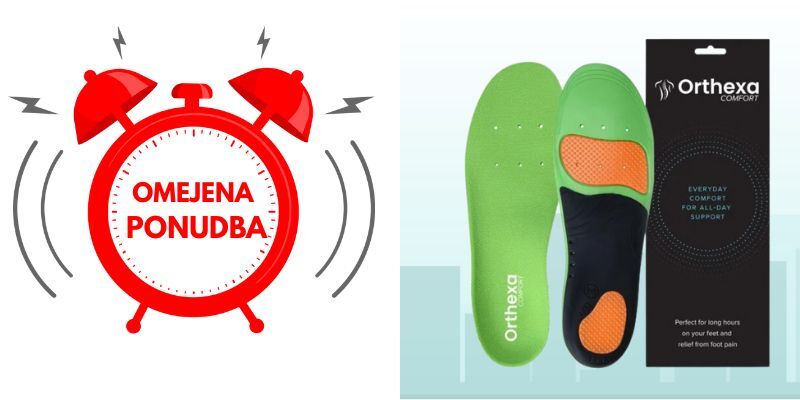
You can check the product page for current multi-pair offers if you would like a pair for more than one set of shoes. Check the fit in each pair separately.
If the insoles are not right for you, our 30-day returns policy explains your options. Read the returns policy for the conditions, return process and refund details. Your statutory consumer rights are not affected.